
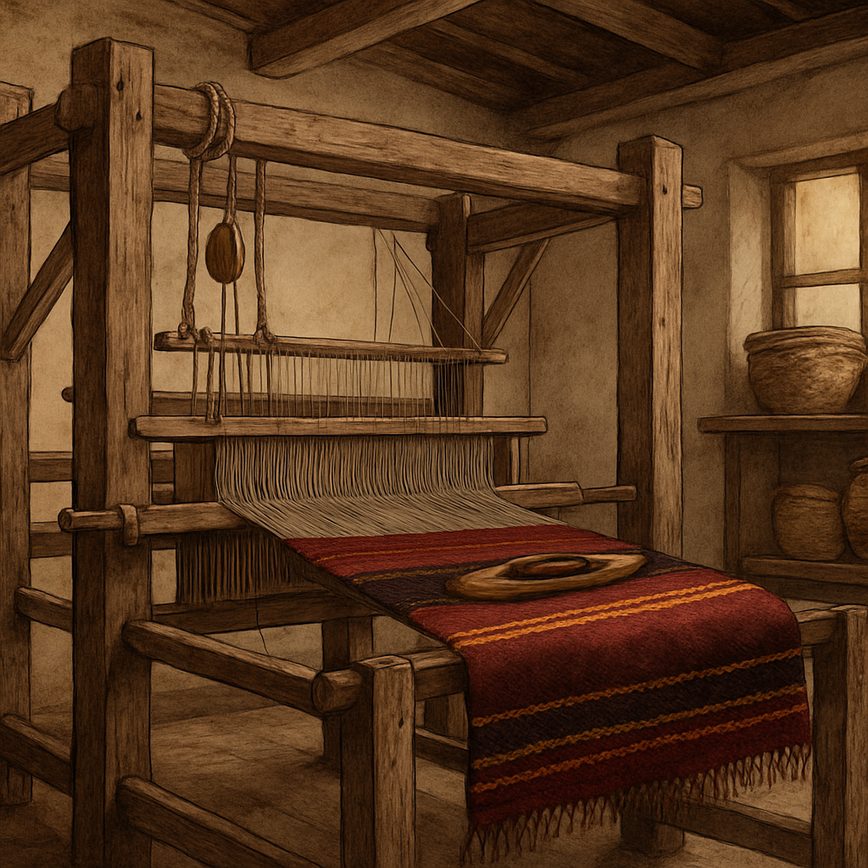
Introduction to African Loom Weaving
Loom weaving holds a deeply significant place in African culture, serving not only as a method of textile production but also as a vibrant form of artistic expression and cultural heritage. Across diverse African communities, weaving on looms has historically been a symbol of identity, tradition, and social status, intricately tied to the daily lives and spiritual practices of the people.
The history of loom weaving in Africa spans centuries, with archaeological evidence tracing back to ancient civilizations where weaving techniques were already sophisticated and highly developed. Looms of various designs were crafted from locally available materials, each uniquely adapted to the environment and woven into the cultural fabric of the region. African weaving traditions have passed down through generations, often taught within families and communities, preserving knowledge that is both technical and symbolic.
African weaving has thrived as a textile art form characterized by rich patterns, vibrant colors, and symbolic motifs that convey stories, social messages, and ancestral connections. The skillful use of the loom allows artisans to create complex textiles such as Kente cloth from Ghana, Mudcloth from Mali, and Aso Oke from Nigeria, each piece representing a living archive of cultural narratives and heritage.
Beyond functionality, loom weaving in Africa has played an essential role in ceremonies and rituals. Textiles woven on looms are often used to mark significant life events such as births, marriages, and funerals, embodying social values and communal identity. The preservation of loom weaving traditions today is key to maintaining a tangible link to Africa’s cultural past, as artisans continue to innovate while honoring ancestral methods.
In essence, African loom weaving is more than just a craft; it is a vital cultural heritage that celebrates artistic creativity, historical continuity, and social meaning. It encapsulates the essence of African weaving as a living art that connects the present with the past, reinforcing identity and community through every thread woven on the loom.
Historical Context and Cultural Importance
The history of weaving in Africa is deeply rooted in the continent’s rich traditions and serves as a vital cultural expression. Loom weaving has been practiced for centuries, with evidence pointing to its origins in diverse regions across Africa. This ancient craft not only facilitated the creation of textiles for everyday use but also played a significant role in ceremonial and social contexts. African weaving traditions often reflect the identity and values of various communities, with textiles symbolizing status, heritage, and spiritual beliefs.
Different African societies have developed unique weaving techniques and styles, transmitting their knowledge through generations. Loom weaving, in particular, became a communal activity that connected people, reinforcing social bonds and continuity of cultural knowledge. The materials used, patterns woven, and colors chosen often hold cultural significance and tell stories about the weavers’ origins and their environment. Through these practices, the craft has transcended functional purposes, becoming an essential part of cultural heritage.
The cultural significance of loom weaving extends beyond aesthetics. It is a symbol of craftsmanship, resilience, and creativity that continues to influence contemporary African art and fashion. By preserving and celebrating the history of weaving, African communities maintain a vital link to their past, ensuring that these traditions remain vibrant and relevant for future generations.
Overview of African Textile Patterns
African textile patterns are renowned for their rich symbolism and vibrant weaving designs that reflect the continent’s diverse cultures and histories. Many African woven fabrics incorporate distinct motifs that carry significant meanings. These textile patterns often tell stories, represent social status, or convey spiritual beliefs.
Common weaving designs in African textiles include geometric shapes, animal symbols, and natural elements. For example, the Adinkra symbols of West Africa are frequently used in fabrics and each symbol holds a unique meaning such as wisdom, strength, or unity. Similarly, Kente cloth from Ghana features intricate patterns and bright colors where each design represents different proverbs, historical events, or communal values.
African motifs are not just decorative; they serve as a language woven into the fabric, much like the vision behind ethical fashion inspired by artisans. These textile patterns often function as a means of communication, expressing messages without words. The repetition and arrangement of these symbols can also signify the wearer’s ethnic identity or regional heritage.
Overall, African woven fabrics are a beautiful blend of artistic creativity and meaningful symbolism. Understanding the significance behind these textile patterns enriches appreciation of African crafts and preserves the cultural legacy embedded in each weaving design.
Essential Tools Used in African Loom Weaving
African loom weaving is a craft rich in tradition and cultural significance, performed using a variety of specialized weaving tools. These tools form the backbone of the weaving process, helping artisans create intricate patterns and durable textiles. The main weaving tools employed by African weavers include different types of looms, essential accessories, and other equipment that aid in the weaving process.
The primary tool in African loom weaving is the loom itself. There are several types of African looms, each designed to suit different weaving techniques and regional traditions. Among the most common are the vertical warp-weighted loom, the horizontal ground loom, and the rigid heddle loom. The vertical loom, often used in West Africa, consists of two vertical posts with the warp threads stretched between them. This type of loom allows weavers to create long strips of cloth with complex designs. The horizontal ground loom, found in East African weaving traditions, is placed on the ground or a low platform and uses tension held by stakes or stones. The rigid heddle loom, known for its simplicity and portability, is widely used across various African communities for weaving smaller pieces of fabric.
Weaving equipment extends beyond the loom to include a variety of traditional tools that facilitate the weaving process. Key among these is the shuttle, a tool used to carry the weft yarn back and forth across the warp threads. African shuttles can be crafted from wood, bamboo, or other local materials, showcasing the resourcefulness of the artisans. Additionally, heddles or cords are utilized to separate the warp threads, enabling the creation of patterns and textures in the fabric.
Other important weaving accessories include beaters or combs, which are used to push the weft threads tightly together to form a dense, sturdy fabric. In many African weaving traditions, beaters are handmade from wood or bone and carefully carved to suit the size and type of the weave. Spindles and spinning wheels are also essential tools used in the preparation of yarn before the weaving begins, ensuring the fibers are strong and even.
Together, these weaving tools form a harmonious system that reflects the ingenuity and cultural heritage of African loom weaving. Each tool, from the loom to the smallest accessory, plays a crucial role in crafting beautiful and meaningful textiles that continue to be an important part of African identity and artistry.
Types of Looms Found Across Africa
Africa boasts a diverse range of traditional looms, each uniquely designed to suit specific weaving techniques. Among the most common are the horizontal loom, vertical loom, and strap loom, each contributing distinct aesthetic and functional qualities to African textiles.
The horizontal loom is widespread in many African regions. It is typically low to the ground, with the warp threads stretched horizontally. This loom type allows weavers to sit and work comfortably while producing wide pieces of fabric. It is especially popular for creating intricate patterns in broadcloth used for everyday clothing and ceremonial attire.
In contrast, the vertical loom, also known as an upright loom, stretches the warp threads vertically. This loom type is favored for its portability and ease of use in limited spaces. Vertical looms are often used to weave narrow strips of fabric, which are later sewn together to form larger textiles. This method is well suited for creating detailed patterns and is prominent among the Kente weavers of Ghana.
The strap loom is another traditional loom common in African weaving traditions. Named for the strap that secures the loom to a tree or the weaver’s body, it is among the simplest and most portable looms. Strap looms are ideal for producing long, narrow strips of cloth, which are commonly used as sashes, belts, or decorative bands. The limited width encourages mastery of detailed pattern work in compact forms.
Each of these traditional looms plays a vital role in shaping African weaving heritage through their specific uses and techniques. Together, they highlight the rich textile diversity and ingenuity found across the continent.
Supporting Tools and Materials
In African loom weaving, several supporting tools play crucial roles in the intricate process of textile creation. Among these, spindles and shuttles are essential. Spindles are used to spin raw fibers into threads, which then serve as the fundamental weaving materials. These threads may be made from cotton, silk, wool, or other natural fibers sourced locally depending on the region. Spindles vary in shape and size but are typically carved from wood and designed to hold and twist fibers into continuous strands of thread.
Shuttles, on the other hand, are tools designed to carry weft threads back and forth through the warp threads set on the loom. These handmade shuttles are often crafted from wood and are lightweight to allow weavers to smoothly pass the threads during weaving. The skillful manipulation of the shuttle ensures the fabric’s pattern emerges accurately and efficiently.
The weaving materials themselves—the threads—are selected carefully for durability, texture, and color. Natural dyes applied to these fibers add vibrant hues representative of various African cultural motifs. The combination of spindles producing fine threads and shuttles facilitating their interlacement symbolizes the harmony between tool and material in African loom weaving, highlighting the craftsmanship and tradition passed down through generations.
Techniques and Methods of African Loom Weaving
African loom weaving encompasses a diverse array of weaving methods and techniques that reflect the rich cultural heritage and regional identities across the continent. The African textile craft is deeply rooted in tradition, with each community contributing its unique style and approach to loom methods. These techniques are not only practical for producing fabric but also represent stories, symbols, and social status within African societies.
One of the most iconic weaving techniques is practiced by the Kente weavers of Ghana. Using narrow strip looms, artisans produce vibrant, geometric patterns that are meticulously woven into long strips of cloth, which can be sewn together to create larger garments. The Kente weaving method requires intricate hand manipulation of threads, producing textiles that carry deep cultural significance and traditional symbolism.
In West Africa, the Bogolanfini or mud cloth weaving methods incorporate handwoven cotton fabric dyed with fermented mud to create distinctive patterns. The weaving itself involves sturdy, traditional looms that produce a thick, durable textile suitable for various uses. This method pairs weaving with dyeing techniques to produce a visually striking textile with a unique tactile quality.
East African regions employ different loom methods, especially among communities that use backstrap and horizontal looms. These looms allow for compact weaving spaces and are mobile, enabling weavers to work from different locations. The weaving techniques here often focus on creating finely detailed patterns and textures, using natural fibers such as cotton and silk. The method demands significant skill in tension control and pattern creation.
In Southern Africa, traditional loom weaving methods vary from simple frame looms to more complex foot-treadle looms introduced through historical trade and cultural exchange. The weaving methods here emphasize strong structural patterns often used for blankets and ceremonial cloth. African textile craft in this region is also closely linked with beadwork and other decorative arts, making the woven pieces highly decorative and multifaceted in purpose.
Across the continent, weaving techniques blend functional weaving methods with artistic expression. African loom weaving is both a craft passed down through generations and a dynamic art form that adapts to contemporary needs. Whether using vertical, horizontal, narrow strip, or frame looms, the weaving techniques maintain a profound connection to identity, storytelling, and cultural preservation within African communities.
Basic Weaving Techniques and Processes
The art of African loom weaving begins with the fundamental processes of warp and weft, which are critical to creating any woven fabric. The warp refers to the vertical threads that are stretched tightly on the loom, forming the backbone of the textile. Setting up these threads, known as warping, is the first essential step. It requires careful measurement and alignment to ensure an even and sturdy foundation on which the weaving will take place.
Once the warp is prepared, the next phase involves weft insertion. The weft is the horizontal thread that is woven through the warp threads to create the fabric. Using a shuttle or a similar tool, the weft is passed over and under the warp threads in a rhythmic sequence. This interplay between warp and weft threads forms the fundamental structure of the textile and determines its strength and texture.
Pattern creation is another basic technique essential to African loom weaving. Skilled artisans develop intricate designs by manipulating the order in which the warp and weft threads intersect. Patterns may be geometric or representational, achieved through variations in thread color, thickness, and weaving sequence. These techniques not only enhance the aesthetic appeal but also convey cultural meanings and identities.
Understanding these weaving steps—warping, weft insertion, and pattern creation—provides insight into the traditional craftsmanship behind African textiles. Mastery of these basic techniques allows weavers to produce rich, vibrant fabrics that embody both function and artistry.
Regional Variations in Weaving Styles
African weaving is celebrated for its rich diversity, with regional styles reflecting unique cultural identities and local weaving methods. Among the most renowned is Kente weaving, originating from the Ashanti people of Ghana. Kente cloth is distinguished by its vibrant geometric patterns and symbolic colors, each design carrying specific meanings related to history, philosophy, and social status. The weaving process itself is highly meticulous, using narrow strips that are later sewn together to form large, intricate fabrics.
In contrast, the Bogolanfini tradition from Mali showcases a completely different approach. Known as “mud cloth,” Bogolanfini involves dyeing handwoven cotton fabric with fermented mud. This method generates striking earth-toned patterns that often tell stories or represent cultural beliefs. The fabric’s rustic appearance and natural dyes make it unique among African textiles and emphasize the traditional craftsmanship passed down through generations.
Across other regions, local weaving methods adapt to available materials and cultural preferences. For example, East African weaving often incorporates finer cotton threads to create lightweight fabrics suited to the climate. Meanwhile, some Central African communities utilize raffia palm fibers, producing coarser, durable textiles used for both everyday wear and ceremonial purposes.
These regional styles highlight the vast spectrum of African weaving artistry. From the symbolic and colorful Kente to the earthy and organic Bogolanfini, each method demonstrates the deep connection between weaving, cultural identity, and local resources. Understanding these variations enriches appreciation for Africa’s textile heritage and the skilled artisans who preserve these traditions.

I’m fascinated by the vibrant intersection of contemporary fashion and traditional African craftsmanship. I spend my free time exploring markets, learning about textile techniques, and sharing the stories behind each piece with our readers.