
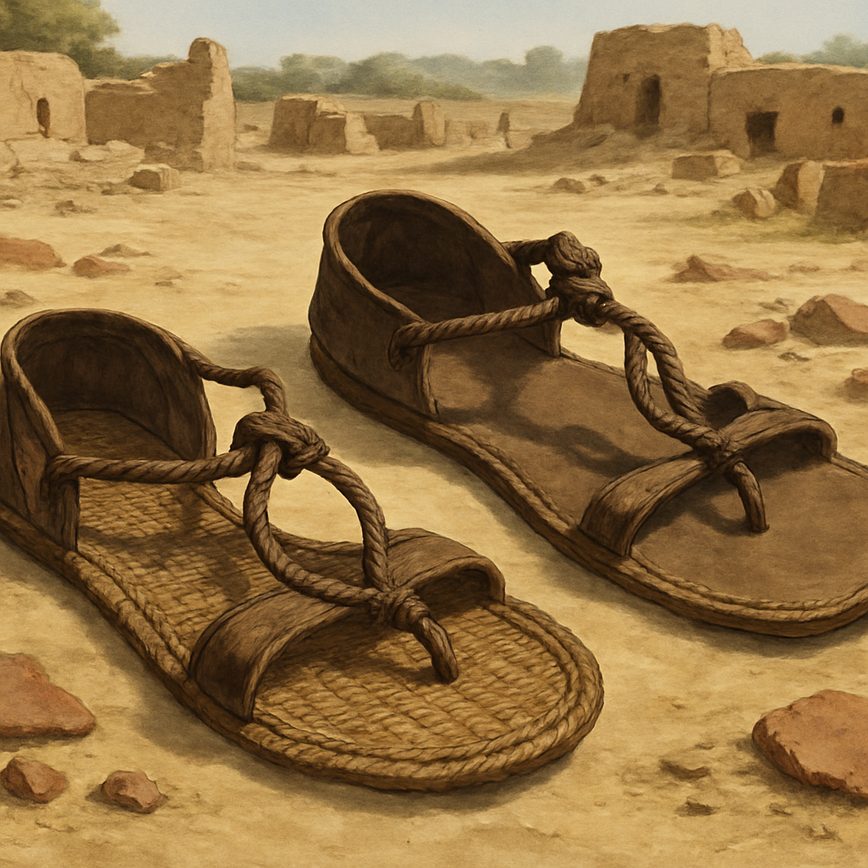
Historical Origins of African Sandals
The history of African sandals is deeply intertwined with the continent’s diverse cultures and traditions. African sandals, known for their unique designs and durability, have been crafted by hand for centuries, reflecting not only practical footwear needs but also rich cultural expressions. These traditional handmade sandals have appeared in various forms across different African regions, each with its distinctive style and symbolism, making them an essential part of African culture.
From the deserts of North Africa to the tropical forests in the Sub-Saharan regions, African sandals history reveals a fascinating journey of evolution and adaptation. Early African societies developed sandals primarily from natural materials such as leather, plant fibers, and wood, which were readily available. Skilled artisans meticulously crafted each pair, often incorporating decorative elements that conveyed social status, ethnic identity, or ceremonial significance. These traditional footwear items served as more than just protection for the feet; they were integral to cultural rituals and daily life.
The role of African sandals in cultural storytelling and heritage is evident in many communities. For example, the Maasai people of East Africa are renowned for their distinctive beaded sandals, which symbolize status and identity within their society. Similarly, in West Africa, leather sandals with intricate patterns have been linked to various tribes and their histories. This craftsmanship not only emphasizes the artisans’ skills but also preserves a legacy passed down through generations, keeping the cultural roots alive in the modern age.
Overall, exploring the historical origins of African sandals offers valuable insight into African culture as a whole. The handmade sandals embody tradition, connection to nature, and artistic innovation, standing as testament to the continent’s rich heritage. Understanding this evolution helps us appreciate the significance of African sandals beyond their functional use, highlighting their role as cultural artifacts that continue to inspire contemporary fashion and craftsmanship worldwide.
Cultural Significance and Traditions
In many African societies, sandals carry deep cultural meaning that transcends their practical use. These traditional footwear pieces often symbolize social status, spiritual beliefs, and community identity, making them an integral part of African traditions. Each pair of sandals reflects the heritage and values of the group, embodying symbolism that is passed down through generations. The designs, materials, and craftsmanship involved in creating these sandals are not only expressions of artistry but also convey messages about the wearer’s role or achievements within the community.
The cultural significance of sandals varies widely among different African regions, but common themes include respect for ancestors, protection from evil spirits, and celebration of important life milestones. Many sandal designs incorporate motifs and patterns that are symbolic, with specific colors and shapes representing concepts such as fertility, strength, or peace. These symbolic elements are carefully chosen according to longstanding customs and beliefs, linking the footwear to the broader cultural narrative.
African traditions heavily influence the design and creation of sandals, ensuring that the footwear retains its heritage value. Artisans use traditional techniques and locally sourced materials, preserving ancient methods that honor the past. This commitment to tradition is evident in the way sandals are handcrafted to reflect cultural stories and identities, making every pair not just footwear, but a piece of cultural history. Through these artistic expressions, the symbolism embedded in African sandals continues to thrive, connecting people to their roots and maintaining the heritage of their communities.
Materials Used in Traditional African Sandals
Traditional African sandals are renowned for their use of natural materials, reflecting a deep connection to the environment and traditional craftsmanship. One of the most common materials employed is leather, often sourced from locally raised livestock such as goats, cows, or camels. This leather is typically tanned using age-old methods that preserve its durability and flexibility, making it ideal for sandal straps and soles.
In addition to leather, many African sandals incorporate plant fibres, which are skillfully woven or braided to create intricate patterns and sturdy components. These fibres may come from a variety of indigenous plants, including palm leaves, sisal, and raffia. The harvesting of these materials is usually sustainable, with artisans selecting only mature leaves or plant parts to ensure continued growth and ecological balance.
The traditional craftsmanship behind these sandals involves a careful selection and preparation of materials. Artisans blend aesthetics with practical considerations, choosing leather for strength and plant fibres for flexibility and decoration. This holistic approach not only preserves cultural heritage but also promotes the use of biodegradable, eco-friendly resources.
Overall, the materials used in traditional African sandals highlight an intimate understanding of natural resources combined with skilled handiwork, embodying the essence of authentic African footwear.
Techniques and Craftsmanship in Sandal Making
The art of sandals craftsmanship in African sandal making is a testament to the dedication, skill, and meticulous precision of the artisans who create these beautiful and functional pieces. Handmade techniques are at the heart of this traditional craft, where every pair of sandals is the result of a careful process that blends age-old knowledge with creativity and attention to detail.
Artisan skills are honed through years of practice and passed down through generations, ensuring that each pair of sandals carries the cultural essence and heritage of its origin. The process begins with selecting materials that suit the environment and intended use. Natural fibers, leather, and durable fabrics are commonly chosen for their strength and comfort, reflecting both practicality and an appreciation of natural resources.
Once materials are selected, craftspeople employ handmade techniques such as hand-cutting, weaving, braiding, and stitching to construct the sandals. Each step demands precision and a steady hand to achieve the perfect balance between aesthetics and durability. The weaving methods, often intricate and unique to specific ethnic groups or regions, create patterns that not only beautify the sandals but also reinforce their structure.
Another vital aspect of African sandal making lies in the finishing touches—embellishments, dyeing, and binding—that require an artisan’s eye for detail. These finishing techniques, done entirely by hand, transform simple materials into striking wearable art. Artisans take pride in their craftsmanship, ensuring every stitch and design element aligns harmoniously to produce sandals that are both stylish and resilient.
Ultimately, the craftsmanship behind African sandals is more than just making footwear; it is about preserving a cultural legacy and sharing it with the world through authentic, handcrafted pieces. The handmade techniques and artisan skills involved highlight the precision and passion that go into each pair, making African sandals a symbol of artistic heritage and superior craftsmanship.
Step-by-Step Crafting Process
The crafting process of African sandals is a beautiful blend of artisan methods and traditional techniques passed down through generations. Each pair is created through meticulous handmade steps that reflect the rich cultural heritage and skilled craftsmanship involved.
- Material Selection and Preparation: The process begins with selecting high-quality natural materials such as leather, rubber, or woven fibers. These materials are carefully inspected and then prepared, which includes cleaning, cutting, and softening to ensure durability and comfort.
- Design Drafting: Artisans sketch the sandal design, often inspired by traditional patterns and functional requirements. This step is crucial in planning the shape and style of the sandal to maintain authenticity.
- Cutting the Components: Using hand tools, the prepared materials are cut into precise shapes for the sole, straps, and other parts, adhering strictly to the design specifications.
- Assembly: The components are then skillfully assembled. This involves stitching, weaving, or tying parts together using traditional techniques that strengthen the sandal’s structure while enhancing aesthetic appeal.
- Hand Finishing: The artisan adds final touches, including polishing edges, reinforcing straps, and sometimes decorative embellishments such as beads or carvings, making each sandal unique.
- Quality Check: Before the sandals are deemed complete, thorough quality checks ensure the craftsmanship meets high standards and the product is comfortable and durable for everyday use.
Role of Artisans and Community
The craftsmen and artisanal communities hold a pivotal role in preserving the rich traditions of African sandal-making. These skilled artisans are the custodians of time-honored techniques passed down through generations, ensuring that each pair of sandals reflects authentic craftsmanship and cultural heritage. The transmission of skills within these communities is more than just a practice; it is a vital link that fosters continuity and innovation in design, keeping the tradition alive and relevant.
Furthermore, artisanal communities profoundly impact local economies. The production and sale of handcrafted sandals generate income for many families, empowering them and creating sustainable livelihoods. This economic activity supports other local businesses and promotes a cycle of growth within the region. By valuing and investing in the talents of these craftsmen, local economies can thrive while maintaining cultural identity.
In essence, the role of artisans and their communities is indispensable. Their dedication to quality and tradition not only sustains the artistry of African sandals but also fosters economic resilience and community pride. Supporting these communities enables the preservation of a unique cultural legacy while contributing to the prosperity of the regions they call home.
Modern Influences and Evolution of African Sandals
The evolution of African footwear, particularly sandals, has been profoundly shaped by modern designs and contemporary fashion trends. Traditionally, African sandals were crafted with local materials and techniques that reflected the rich cultures and heritage of the continent. However, as global fashion trends have permeated local markets, African artisans and designers have embraced new styles and methods to create innovative and stylish footwear that resonates with a global audience.
Modern designs have introduced a hybrid aesthetic, blending traditional craftsmanship with contemporary elements. This fusion offers not only aesthetic appeal but also improved comfort and durability, which align African sandals with global standards in footwear. Contemporary sandals from Africa now often feature a diverse range of materials such as leather, fabric, and even recycled components, reflecting both sustainability trends and artistic creativity. This evolution is a testament to the adaptability of African sandal makers in a fast-changing world.
Fashion trends have played a pivotal role in redefining African sandals, turning them into statement pieces that transcend cultural boundaries. Designers incorporate colors, patterns, and motifs that speak to both heritage and modern fashion sensibilities. African footwear evolution is evident in collaborations between traditional artisans and international fashion houses, resulting in collections that showcase the uniqueness of African craftsmanship while appealing to contemporary consumers worldwide.
Moreover, the influence of social media and digital platforms has amplified the visibility of African sandals on the global stage. Young designers and artisans use these tools to share their work, gain feedback, and attract new clientele, accelerating the integration of modern influences into their craft. This connectivity supports the sustained growth of the industry and inspires continuous innovation, solidifying African sandals as not only cultural artifacts but also dynamic elements of the modern fashion landscape.
In summary, the modern influences and global fashion trends have significantly driven the evolution of African sandals. From material innovation to design experimentation, contemporary sandals represent a vibrant blend of tradition and modernity that elevates African footwear in the global fashion arena.
Integration with Global Fashion
African sandals have made a striking impression on the global fashion stage, blending traditional African style with contemporary trends. Their unique craftsmanship and vibrant designs have captured the attention of designers and consumers worldwide, leading to a fusion that celebrates cultural heritage while appealing to modern tastes. The rich textures, bold colors, and intricate patterns characteristic of African footwear have been seamlessly adapted to fit the sensibilities of international markets, creating a new genre of fashion fusion that honors authenticity and innovation.
Incorporation of African sandals into global fashion scenes often involves collaborations between indigenous artisans and global brands, ensuring that the essence of African style is preserved while enhancing accessibility. These partnerships have expanded the reach of African footwear, positioning it as a coveted item in high-fashion circles and everyday wear alike. The result is a dynamic interplay between tradition and modernity, where African sandals are more than just accessories—they become a statement of global interconnectedness and style diversity.
Moreover, the international market has embraced these sandals not only for their aesthetic appeal but also for their sustainable production methods and cultural storytelling. The growing demand for ethically made and culturally rich products has accelerated the inclusion of African sandals in luxury collections, runway shows, and street fashion worldwide. This integration underscores the evolving relationship between global fashion and African artisanship, enriching the fashion landscape with new perspectives and creative energies.
Sustainable and Ethical Production
In recent years, the rise of sustainability and ethical craftsmanship in African sandal production has marked a meaningful shift in the fashion industry. Artisans are increasingly embracing eco-friendly sandals that not only showcase traditional designs but also prioritize the health of the environment. By using natural materials like vegetable-tanned leather, recycled fabrics, and biodegradable components, these craftsmen reduce waste and reliance on harmful chemicals, making each pair a testament to sustainable innovation.
The emphasis on fair trade practices ensures that the skilled artisans behind these beautiful sandals receive fair wages and work under respectful conditions. This ethical approach strengthens local communities, providing economic opportunities that help preserve cultural heritage and improve living standards. Consumers who choose these sandals become part of a larger movement that values both social responsibility and environmental care.
More than just footwear, these eco-friendly sandals symbolize a powerful commitment to protecting the planet and uplifting communities. Their popularity continues to grow as shoppers seek products that align with their values, championing sustainability and ethical craftsmanship every step of the way.

I’m fascinated by the vibrant intersection of contemporary fashion and traditional African craftsmanship. I spend my free time exploring markets, learning about textile techniques, and sharing the stories behind each piece with our readers.