
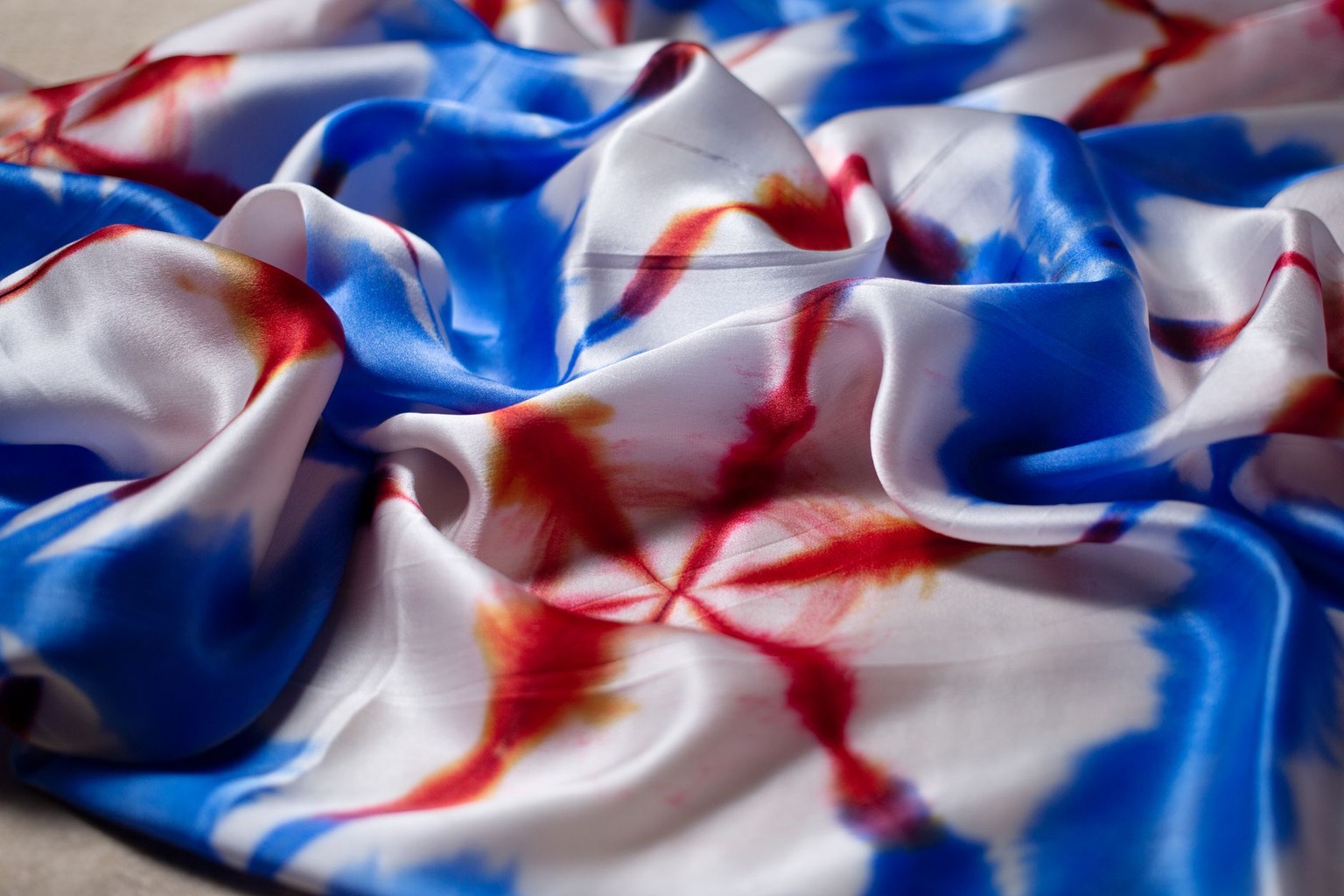
The art of African tie-dye transcends mere fabric decoration, it’s a living tradition woven into the fabric of heritage, fashion, and daily life across the continent. From the bold stripes of Nigerian adire to the intricate swirls of Ethiopian gish patterns, these techniques aren’t just about colour; they’re about storytelling, craftsmanship, and the enduring legacy of African textile arts. If you’re looking to bring the vibrant energy of African tie-dye into your own creative space, mastering the right patterns at home can transform plain fabrics into statement pieces that echo the continent’s rich aesthetic. Whether you’re working with cotton, silk, or even linen, the key lies in understanding which methods preserve both colour intensity and fabric integrity over time.
The Role of Natural Dyes in Authentic African Tie-Dye Patterns at Home
Authentic African tie-dye often relies on natural dyes like indigo, turmeric, and marigold petals to achieve its signature depth and longevity. Unlike synthetic dyes, which can fade quickly under sunlight or washing, natural pigments bond more securely with fibres, ensuring your prints remain vivid for months. For example, indigo, used in West African adire techniques, produces a deep blue that darkens with each wash, while turmeric yields a golden hue that fades gracefully into soft ivory. If you’re experimenting with natural dyes at home, start with pre-washed cotton fabrics to avoid uneven absorption, and always rinse thoroughly after dyeing to prevent colour bleeding. The trade-off is that natural dyes require more patience; a single batch of indigo can take up to 24 hours to develop fully, but the result is a fabric that feels as authentic as it looks.
Natural dyes also carry cultural significance, as they’ve been used for centuries in rituals and ceremonies. In Ghana, for instance, kente cloth is often dyed with indigo to symbolise protection and prosperity. When recreating these patterns at home, consider the emotional weight behind the colours, red might represent joy in some regions, while blue could signify peace in others. This layer of meaning turns your tie-dye project from a craft into a celebration of tradition. Just be prepared to dedicate extra time to sourcing ingredients; dried marigold petals or onion skins can be found in specialty stores or online, but they’re less convenient than synthetic dyes, which is why many modern practitioners blend both methods for convenience without sacrificing authenticity.
Choosing the Right Fabric for Long-Lasting African Tie-Dye Patterns at Home
Not all fabrics are equal when it comes to tie-dye, especially if you want your patterns to withstand frequent wear and washing. Cotton is the most forgiving choice for beginners because it absorbs dye evenly and holds intricate folds well, making it ideal for techniques like batik or shibori. However, if you’re aiming for a softer drape, common in Ethiopian gish patterns, consider a blend of cotton and linen, which adds texture while maintaining breathability. Silk, though luxurious, requires gentler handling; its delicate fibres can bleed dye if not pre-treated with a fabric softener or diluted vinegar rinse. For outdoor or high-wear items, such as headscarves or tote bags, opt for tightly woven cotton like Ankara fabric, which resists fraying and keeps patterns sharp through multiple washes.
The weave of the fabric also affects how your patterns appear. Loose weaves, like those in Adinkra textiles, allow dye to seep through more freely, creating a softer, diffused look. Tighter weaves, on the other hand, trap dye in the folds, producing sharper, more defined lines, perfect for geometric adire patterns. Before committing to a project, test your chosen fabric with a small dye sample. Some natural dyes, like those from hibiscus flowers, can cause uneven absorption in synthetic blends, leading to patchy results. If you’re working with a limited budget, thrifted cotton T-shirts or old bedsheets make excellent practice grounds, as they’re affordable and durable enough to withstand multiple dye cycles.
Mastering Traditional African Tie-Dye Techniques for Home Use
African tie-dye encompasses a variety of techniques, each with its own cultural roots and practical applications. Adire from Nigeria involves wrapping fabric tightly with cloth strips before dyeing, creating bold, symmetrical stripes that resemble modern tie-dye but with a more structured look. Meanwhile, shibori, a Japanese technique adapted in East Africa, uses knots and clamps to trap dye, resulting in organic, flowing patterns that mimic natural forms. For those new to tie-dye, batik, where wax is applied to resist dye, is the easiest to replicate at home, as it requires minimal tools beyond a heat gun or iron. Each method demands different skill levels: adire thrives on precision, while shibori embraces imperfection, making it a great choice for experimental projects. Start with one technique to build confidence, then layer in others for complexity.
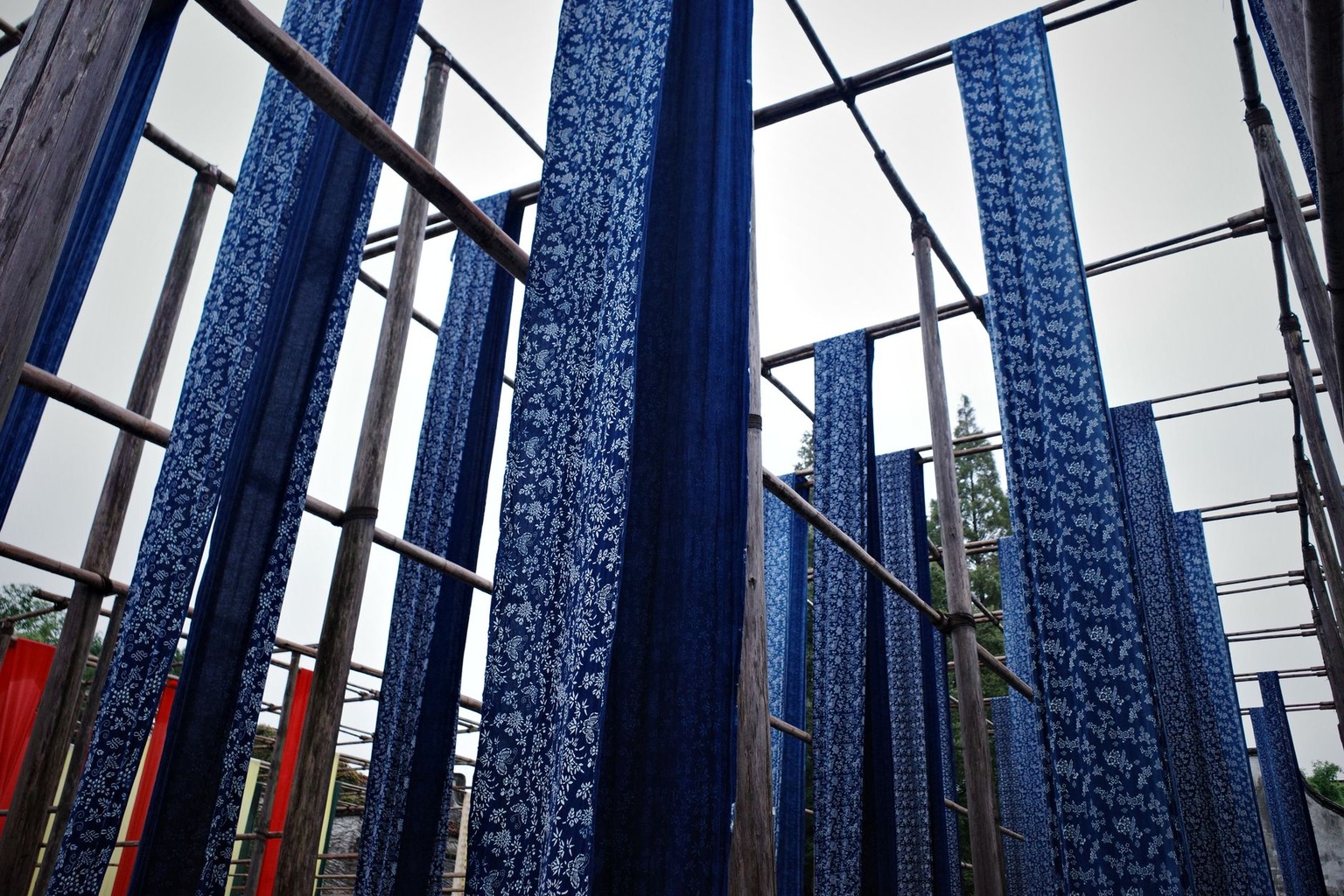
The tools you use can also influence the final look. Traditional African tie-dye often relies on handmade rubber bands, wooden clamps, or even banana leaves to secure folds, which can be harder to source than plastic ties or rubber bands. If you’re recreating gish patterns from Ethiopia, for example, you might need small stones or beads to weigh down sections of fabric before dyeing. For a more modern approach, silicone bands or rubber bands work well for creating tight, even folds, though they may leave faint marks on the fabric. Don’t underestimate the importance of preparation; stretch your fabric taut before tying to ensure symmetrical patterns. A well-tied knot can make the difference between a wobbly stripe and a crisp, professional-looking design.
How to Preserve Vibrancy: Washing and Caring for Your African Tie-Dye
Even the most carefully crafted tie-dye will fade over time if not cared for properly, so understanding the right washing techniques is crucial. Natural dyes, in particular, can bleed if washed in hot water, so always use cold water and a mild detergent to prevent colour transfer to other clothes. Turn fabrics inside out before washing to minimise friction, which can cause patterns to wear unevenly. For indigo-dyed pieces, a quick rinse in vinegar after washing can help restore brightness by tightening the dye fibres. If you notice fading, avoid bleach at all costs, it will strip the colour entirely. Instead, soak the fabric in a solution of water and a tablespoon of salt to slow further fading. Hang pieces to dry in the shade rather than under direct sunlight, as UV rays accelerate colour degradation. With proper care, your tie-dye can retain its vibrancy for years, making it a sustainable addition to your wardrobe.
Storage also plays a role in longevity. Fold tie-dye garments flat rather than hanging them, as the weight of the fabric can stretch out patterns over time. If you must hang them, use padded hangers to prevent creases from pressing into the dye. For delicate pieces, store them in breathable cotton bags rather than plastic, which can trap moisture and encourage mildew. If you’re working with multiple dyed fabrics, keep them separate during storage to avoid dye transfer. Over time, you’ll notice that some colours, like those from turmeric, will fade into softer tones, while others, like indigo, will deepen with age. Embrace this natural evolution; it’s part of what makes hand-dyed fabrics so unique. The more you experiment with different fabrics and dyes, the more you’ll learn to anticipate how each will behave over time.
Inspiration from African Fashion: Incorporating Tie-Dye into Modern Styles
African tie-dye isn’t confined to traditional garments, it’s a versatile technique that can elevate contemporary fashion. In Nigeria, adire patterns are often seen on modern blouses and skirts, blending heritage with streetwear aesthetics. Similarly, Ethiopian gish designs have inspired everything from high-end couture to casual streetwear, proving that tie-dye transcends cultural boundaries. If you’re looking to incorporate these patterns into your own wardrobe, consider pairing a bold tie-dye shirt with tailored trousers or a flowing skirt for a balanced look. The key is balance: a single statement piece, like a tie-dye headscarf or a patterned tote bag, can add flair without overwhelming an outfit. For a more subtle approach, opt for smaller details, like tie-dye cuffs or pockets, on otherwise plain garments. This way, you can enjoy the cultural richness of African textiles without making a bold fashion statement.
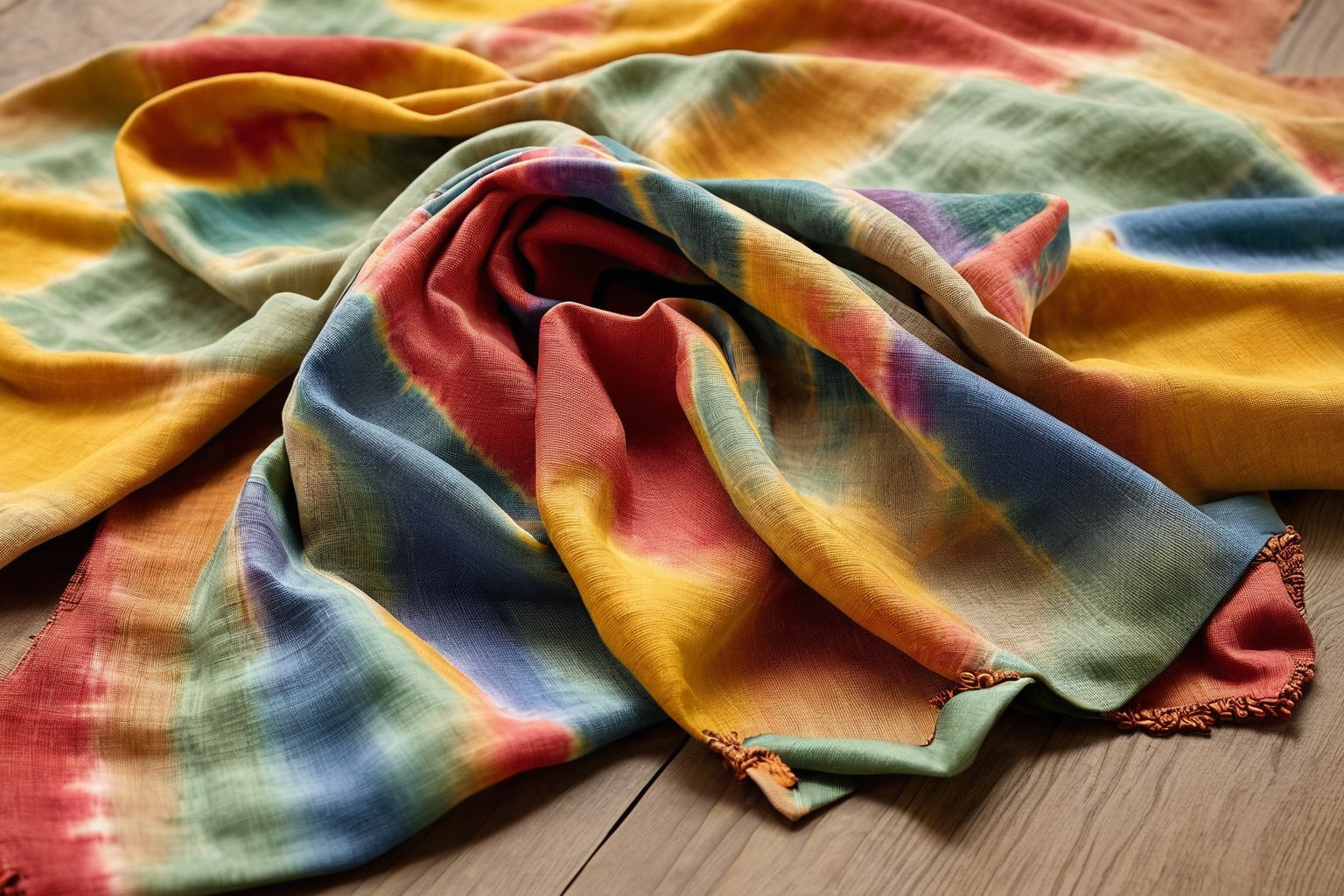
Tie-dye also lends itself well to accessories, where it can make a subtle yet impactful appearance. Think of a tie-dye scarf layered over a simple blouse, or a pair of tie-dye-printed socks peeking from under tailored trousers. Even everyday items, like a tie-dye tote bag or a patterned pillowcase, can bring a touch of African artistry into your home decor. The beauty of tie-dye is its adaptability, it can be as bold or as understated as you like. When shopping for pre-made tie-dye pieces, look for ethical brands that source fabrics locally and use sustainable dyeing practices. Supporting these artisans not only ensures you’re getting a high-quality product but also helps preserve the craft for future generations. The more you explore, the more you’ll discover how tie-dye can seamlessly integrate into both traditional and modern lifestyles.

I’m fascinated by the vibrant intersection of contemporary fashion and traditional African craftsmanship. I spend my free time exploring markets, learning about textile techniques, and sharing the stories behind each piece with our readers.