
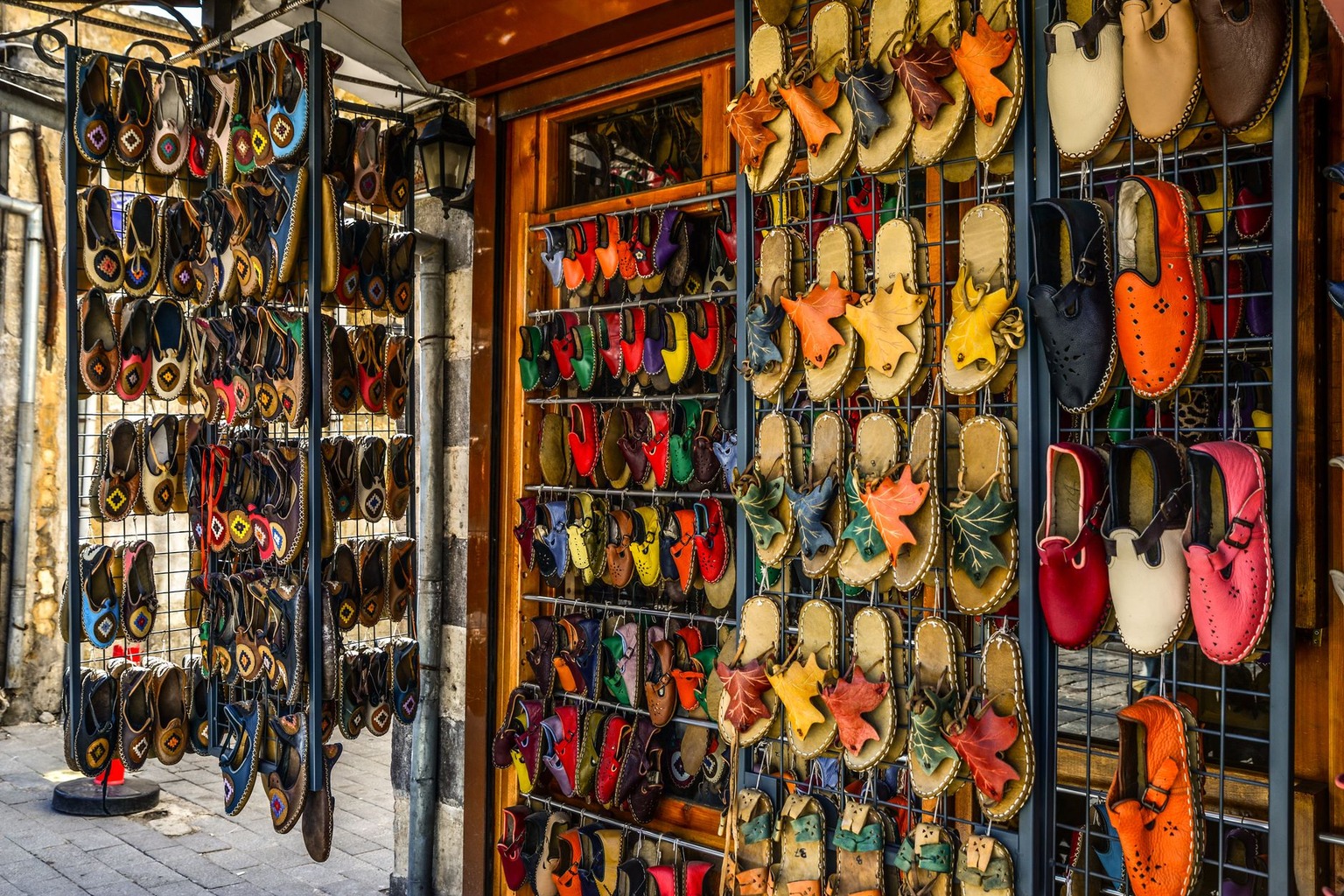
Summer footwear often prioritises speed and mass production, but African leather sandals offer a distinct alternative rooted in centuries of artisanal tradition. These pieces connect the wearer directly to the craftsperson who shaped the hide, stitched the straps, and sanded the sole, creating a tangible link between fashion and heritage. While fast fashion dominates the market, the search for best handmade african sandals reveals a growing appreciation for durability and ethical sourcing. This guide explores the specific dimensions of quality, material, and construction that distinguish authentic handcrafted shoes from their manufactured counterparts. By examining these factors closely, you can make informed choices that support sustainable practices and elevate your summer wardrobe with genuine cultural artefacts.
Comparing Leather Tanneries and Dyeing Methods
Traditional vegetable tanning using natural bark extracts produces leather that ages gracefully and develops a unique patina over time. This method requires weeks of soaking and drying, resulting in a material that is breathable and biodegradable at the end of its life cycle. In contrast, chrome tanning uses chemical salts that speed up the process but leave toxic residues in the soil and waterways. When evaluating options, look for brands that explicitly state their tanning process to ensure you are not supporting harmful industrial waste. Natural dyes derived from plants, minerals, and insects add vibrant colours without the synthetic stabilisers found in mass-market products.
The environmental impact of dyeing is just as significant as the tanning process itself. Natural pigments often require multiple applications and longer drying times, which increases labour costs but reduces chemical runoff. Synthetic dyes, while cheaper and more consistent in colour, can release microplastics and heavy metals during the washing of the shoes. A close inspection of the sole and strap edges can reveal the type of finish used, with natural options often appearing slightly uneven but rich in texture. Choosing vegetable-tanned leather ensures a product that is not only better for the planet but also more durable for daily wear.
Assessing Artisanal Skill and Regional Styles
Hand stitching is the hallmark of quality footwear, providing flexibility and strength that machine stitching cannot replicate. Artisans in regions such as Morocco, Kenya, and Nigeria have developed distinct styles that reflect local aesthetics and functional needs. For example, Berber sandals often feature intricate cross-stitching patterns that provide both decorative beauty and structural reinforcement. These regional variations offer a depth of design that mass-produced items lack, allowing you to own a piece of cultural history. The slight imperfections in hand-sewn shoes are signs of authenticity rather than defects, indicating human touch and care.
Understanding the origin of the craft helps you appreciate the specific skills involved in each pair. Some artisans specialise in braided leather straps, which offer superior comfort and adjustability for different foot shapes. Others focus on carved wooden soles that provide natural insulation and grip. By comparing these regional techniques, you can select a style that matches your personal aesthetic and practical requirements. The investment in handcrafted items supports the preservation of these skills, ensuring they are passed down to future generations of craftsmen. This direct connection to the maker gives the footwear a narrative that factory-made shoes simply cannot match.
Evaluating Durability and Longevity Factors
The lifespan of a sandal is determined by the quality of the materials and the robustness of the construction. Full-grain leather, which retains the outer layer of the hide, is the most durable option and resists abrasion far better than corrected grain. This type of leather can last for decades with proper care, making it a true long-term investment. In comparison, split leather or synthetic alternatives tend to crack and peel after a few seasons of use. When assessing durability, check the thickness of the sole and the tightness of the stitching, as these are the primary points of failure. A well-made sandal should feel substantial in the hand, with no loose threads or uneven surfaces.
Tony See Patterns: Learn to Make Sandals – Full DIY Tutorial
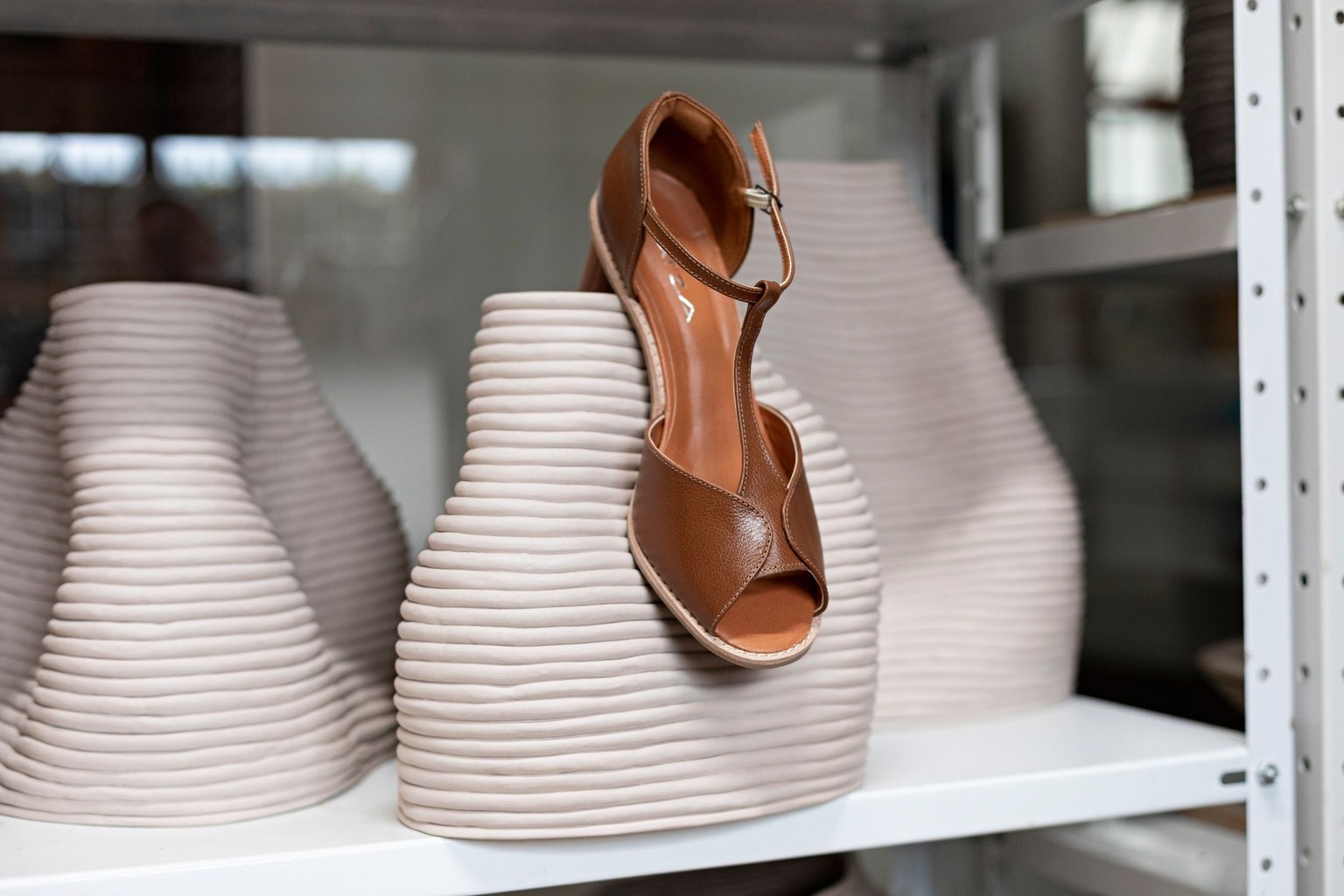
Repairability is another critical dimension of durability that is often overlooked in fast fashion. Handcrafted sandals are designed to be repaired, with replaceable soles and re-stitchable straps that extend their life significantly. This modular approach contrasts sharply with glued-on soles that cannot be fixed once they detach. By choosing repairable footwear, you reduce waste and lower the overall environmental footprint of your wardrobe. Repairing sandals instead of discarding them is a key practice in sustainable fashion. It encourages a mindset of ownership and care rather than disposable consumption, aligning with the ethos of ethical consumerism.
Analyzing Comfort and Fit Mechanics
Comfort in leather sandals depends heavily on how the material conforms to the shape of the foot over time. Handcrafted shoes often start stiff but soften with wear, moulding to the individual contours of the wearer. This custom fit reduces friction and pressure points that can cause blisters and discomfort. In contrast, mass-produced sandals are manufactured to a standard size, which may not accommodate variations in foot width or arch height. The natural elasticity of vegetable-tanned leather allows for a snug yet flexible fit that improves with each step. This adaptive quality is a key advantage of traditional craftsmanship in modern footwear design.
The construction of the sole also plays a vital role in overall comfort and support. Leather soles provide excellent breathability and a natural grip that improves as the material ages. They are lighter than rubber soles but offer a different kind of stability that many find more comfortable for extended periods. The thickness of the sole should be considered based on your intended use, with thicker options providing more cushioning for hard surfaces. By comparing different sole materials, you can find the right balance between protection and feel. This attention to detail ensures that the sandals are not just aesthetically pleasing but also functional for daily use.
Reviewing Ethical Sourcing and Fair Trade
Ethical sourcing is a cornerstone of sustainable fashion, ensuring that artisans are paid fairly for their skilled labour. Fair trade certifications provide a framework for equitable wages and safe working conditions in the supply chain. When purchasing handcrafted sandals, look for transparent information about the cooperatives or workshops that produce them. This transparency allows you to verify that the economic benefits of the sale reach the people who make the shoes. Supporting fair trade initiatives helps to preserve traditional crafts and provides a sustainable livelihood for communities in developing regions. It is a direct way to contribute to social justice through your purchasing choices.
The environmental ethics of sourcing are equally important, focusing on the treatment of animals and land. Responsible tanning practices ensure that leather production does not deplete water resources or contaminate local ecosystems. Artisans who use wild-harvested materials or sustainably farmed hides contribute to the conservation of natural habitats. By choosing brands that prioritize both social and environmental ethics, you support a holistic approach to sustainability. This dual focus on human welfare and ecological health is what distinguishes true ethical fashion from greenwashing. It creates a supply chain that is respectful of all stakeholders involved in the production process.
Implementing Care and Maintenance Routines
Proper care is essential to maintaining the quality and appearance of handcrafted leather sandals. Regular conditioning with natural oils keeps the leather supple and prevents it from drying out and cracking. This simple maintenance task can extend the life of the shoes by several years, protecting your investment. It is important to use products that are free from harsh chemicals to preserve the natural integrity of the material. A soft brush can be used to remove dust and dirt from the surface, preventing it from embedding in the grain. Consistent care ensures that the sandals remain a staple of your wardrobe for many seasons to come.

Storage and rotation are also key components of a good maintenance routine. Storing sandals in a cool, dry place away from direct sunlight prevents the leather from warping or fading. It is advisable to rotate between different pairs of footwear to allow each pair to rest and air out. This practice reduces the wear on any single pair and helps maintain their shape and structure. Inserting cedar wood shoe trees can help absorb moisture and preserve the form of the sandals. By adopting these habits, you demonstrate a commitment to the longevity and quality of your handcrafted purchases.
Integrating Style and Cultural Respect
Wearing African leather sandals is an opportunity to celebrate cultural heritage and artistic expression. It is important to approach these items with respect and an understanding of their origins and significance. Avoiding cultural appropriation by acknowledging the source and supporting the creators is a responsible way to engage with this fashion. The distinctive patterns and designs often carry specific meanings within their communities, adding a layer of depth to the aesthetic appeal. By choosing authentic pieces, you contribute to the visibility and appreciation of African craftsmanship on a global stage. This respectful engagement helps to shift the narrative from exoticism to admiration for skill and artistry.
Styling these sandals in a modern context allows for a unique blend of traditional and contemporary fashion. The neutral tones of natural leather pair well with a wide range of colours and fabrics, making them versatile for various outfits. The handcrafted nature of the shoes adds a touch of individuality that sets them apart from mass-produced alternatives. This fusion of old and new creates a distinctive look that is both timeless and current. By integrating these pieces into your wardrobe, you make a statement about your values and your appreciation for authentic craftsmanship. It is a way to express personal style while supporting a sustainable and ethical fashion industry.

I’m fascinated by the vibrant intersection of contemporary fashion and traditional African craftsmanship. I spend my free time exploring markets, learning about textile techniques, and sharing the stories behind each piece with our readers.