
African wax print textiles occupy a unique space in contemporary wardrobes, blending vivid storytelling with tactile durability. These fabrics, often produced through complex batik-inspired processes, carry patterns that signal everything from social status to regional identity. Yet, the very dyes and finishes that give them their iconic brilliance also make them demanding subjects for textile care. Understanding how to preserve their integrity requires looking beyond generic laundry labels and into the chemistry of resist-dyeing and the behaviour of natural fibres under stress.
Fabric Composition and Dye Stability
The first consideration in any care routine is recognising that most African print material is a cotton-polyester blend, though pure cotton variants exist. The polyester component, often added to enhance sheen and reduce wrinkling, reacts differently to heat and moisture than the cotton core. Dye fixation in wax-resistant areas is rarely uniform; some pigments remain surface-level while others have penetrated deeper fibre structures. This variance means that a one-temperature-fits-all approach can lead to patchy fading or unexpected colour migration during the first few washes. Experts recommend sorting by colour family rather than fabric type, as the chemical interaction between indigo-based blues and anthraquinone reds can be unpredictable when wet.
Water Temperature and Mechanical Action
Heat is the primary antagonist in the lifecycle of printed textiles. Washing in water exceeding 30°C can cause the wax-resist boundaries to soften, allowing adjacent colours to bleed into one another. This is particularly noticeable in large-format patterns where a single misaligned hue can disrupt the visual rhythm of the garment. Mechanical agitation in top-loading machines further exacerbates this risk, as the tumbling action physically stresses the resist zones. A gentler cycle, preferably cold or lukewarm, combined with a low-spin setting, helps maintain the structural integrity of the print while removing surface soil.

Detergent Selection and Chemical Interaction
Not all laundry chemicals are created equal when it comes to preserving colourfastness. Heavy-duty powders often contain optical brighteners that can react with the organic dyes used in African print material, resulting in a chalky or muted appearance over time. Liquid detergents, particularly those labelled as colour-care or mild, tend to be kinder to the fibre matrix. It is advisable to avoid bleach-based products entirely, as the oxidising agents will strip the wax-resist patterns and leave the fabric looking washed-out. A small measured dose, dissolved fully before the garments are introduced, ensures even distribution without concentrated pockets of chemistry attacking the dye.
Drying Methods and Sun Exposure
The drying phase is where many well-intentioned care routines unravel. Tumble drying on high heat is strongly discouraged, as the combination of mechanical heat and airflow can cause the polyester fibres to shrink unevenly, distorting the print’s geometry. Air drying is the preferred method, but the location matters just as much as the method. Hanging garments in direct sunlight may seem efficient for speeding up evaporation, but ultraviolet radiation is a potent degrader of organic pigments. Fading often occurs in streaks, corresponding to the areas most exposed to the sun’s path. Turning garments inside out and positioning them in shaded, well-ventilated areas preserves the vibrancy of the motifs for many more wears.
Ironing and Heat Application
Ironing African print material requires a nuanced approach that balances the need for crisp presentation with the risk of melting or scorching the wax-impregnated areas. Most care labels suggest a medium-hot setting, but the presence of synthetic blends means that temperature tolerances vary. Using a pressing cloth, a plain cotton barrier, between the iron and the print prevents direct contact and distributes heat more evenly. Steam should be applied sparingly; excessive moisture can reactivate residual dyes and cause them to migrate across the fabric surface. For garments with heavy embroidery or beadwork associated with traditional styles, a lower temperature and a protective layer are essential to avoid damage to the embellishments.
Reflektion Design: How to Care For African Print Fabric | 4 Tips to Help You Ankara Fabric Last For Years
Storage Practices and Long-Term Preservation
How a garment is stored when not in use has a profound impact on its longevity. Folding printed textiles along the same crease lines repeatedly can lead to permanent pressure marks where the dye has been compressed and lost its luminosity. Rolling the item around a acid-free tube, or placing acid-free tissue paper between folds, mitigates this risk. Storage environments should be cool, dry, and dark; humidity encourages mould growth on natural fibres, while fluctuating temperatures can cause the fabric to expand and contract, loosening the resist patterns over time. Cedar blocks or lavender sachets offer a natural deterrent against moths without introducing the chemical residues that might interact with the dyes.
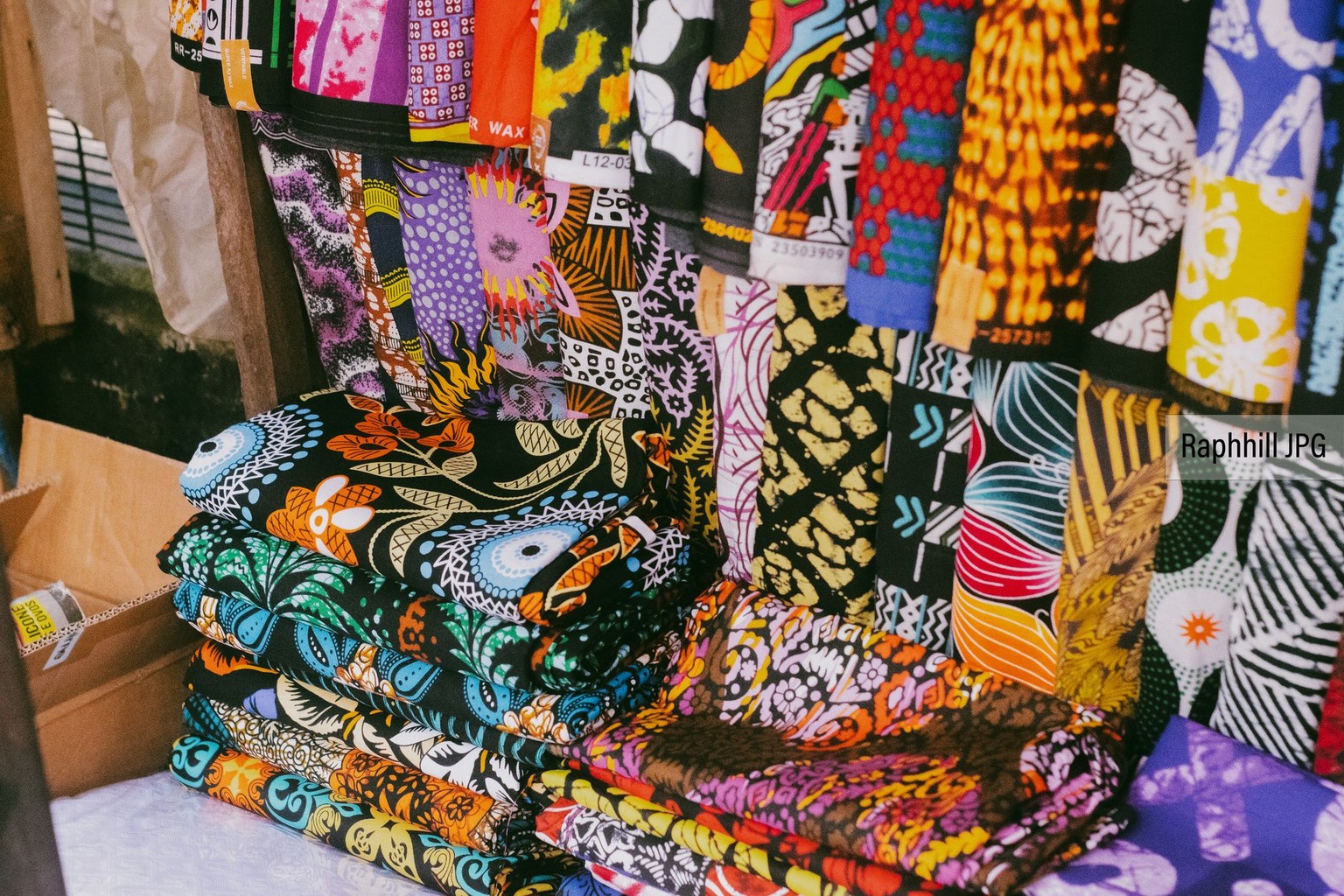
Adhering to these detailed practices transforms the maintenance of African print material from a chore into an act of stewardship. The investment of time in proper washing, drying, and storage routines pays dividends in the form of garments that retain their narrative power and visual richness season after season. By respecting the unique material properties of these textiles, wearers ensure that the stories woven into every motif continue to be told with clarity and vibrancy.

I’m fascinated by the vibrant intersection of contemporary fashion and traditional African craftsmanship. I spend my free time exploring markets, learning about textile techniques, and sharing the stories behind each piece with our readers.