
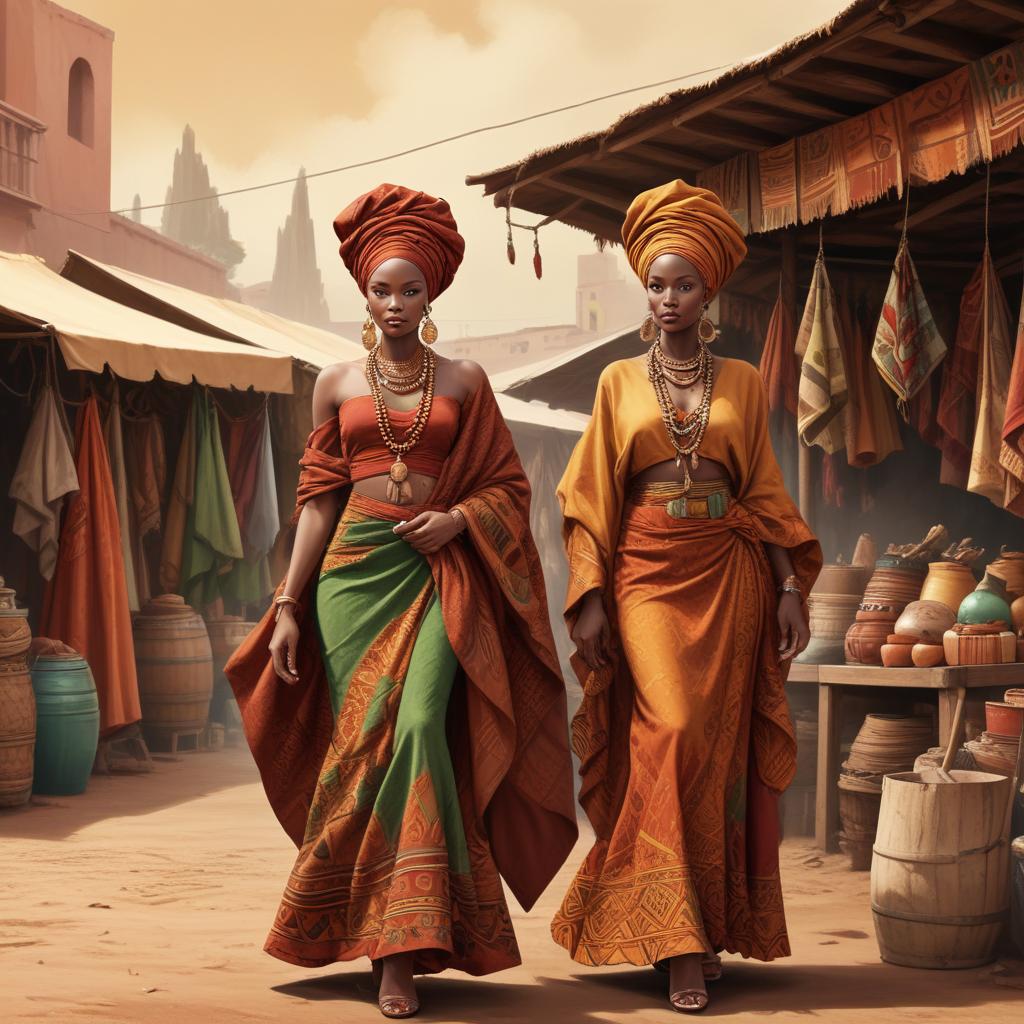
Historical background of Afro-ethnic fashion
The history of Afro-ethnic fashion is deeply connected to the rich and diverse cultures found across the African continent, where traditional clothing has long held considerable cultural and symbolic importance. The origins of these garments trace back millennia, reflecting a sophisticated interplay of social, spiritual, and practical elements. These traditional ensembles were not merely functional; they were imbued with notions of identity, status, and heritage, serving as representations of community ties and cultural pride.
Traditional African attire displays remarkable variety across various regions, influenced by local climates, available materials, and cultural traditions. For example, communities in West Africa have long favoured vibrant textiles such as kente cloth from Ghana, renowned for its bold colours and geometric patterns, as well as Aso Oke from the Yoruba people, often worn during significant occasions. Similarly, the clothing of North Africa, which includes the stylish djellaba and kaftan, reflects a blend of Berber, Arab, and Mediterranean cultural influences. Each piece of clothing tells a story about the origins of cultural dress, filled with meanings unique to particular ethnic groups and their histories.
The evolution of Afro-ethnic fashion has been shaped by numerous external influences, including trade, colonisation, and migration. Throughout history, African communities have adopted and adapted foreign elements alongside their indigenous styles, leading to a dynamic range of expressions. The trans-Saharan and trans-Atlantic trade routes introduced new fabrics and designs, such as indigo dyeing techniques and intricate beadwork, which were incorporated into traditional attire, enhancing their distinctiveness and visual charm.
Moreover, the origins of traditional dress are intricately tied to rituals, ceremonies, and social structures. Clothing often signifies important life milestones, marital status, age, or spiritual connections. For instance, the detailed beadwork of the Maasai in East Africa is meticulously crafted to convey elements of the wearer’s identity, while the Ndebele in Southern Africa display vibrant geometric patterns on their garments, which carry ancestral significance. These time-honoured practices highlight the profound link between attire and cultural heritage in the narrative of Afro-ethnic fashion.
As Afro-ethnic fashion continues to develop in the contemporary age, it serves as an impressive testament to the resilience and creativity of African cultures. This vibrant legacy of traditional African attire and cultural garments not only honours the past but also inspires younger generations to engage with their roots, while simultaneously influencing global fashion trends in remarkable ways.
Traditional fabrics and patterns
Afro-ethnic fashion highlights a rich variety of African textiles, known for their vibrant colours and bold patterns. Among the most famous is Ankara, a cotton fabric embellished with eye-catching prints that frequently take cues from nature, symbols, and everyday life. Ankara designs have gained notable recognition in Africa and globally, embodying cultural pride and creative expression. Its versatility enables it to be fashioned into various clothing styles, from relaxed ensembles to elegant attire, enhancing the visual appeal and cultural importance of every item.
Another significant textile in Afro-ethnic fashion is Kente cloth, which is traditionally handwoven in Ghana. Known for its bright, geometric patterns and symbolic colours, Kente is more than just a piece of fabric; it represents history, philosophy, ethics, and social values. Each design and colour combination holds specific meanings, reflecting ideas such as wisdom, royalty, or spiritual purity, making Kente a fabric laden with cultural narratives and identity.
These timeless patterns and fabrics act as a form of visual representation, celebrating cultural history and stories through apparel. Their integration into modern fashion highlights a resurgence of cultural appreciation and identity within the global fashion scene. By wearing garments crafted from African textiles like Ankara and traditional motifs seen in Kente cloth, individuals connect with their African roots while contributing to the growing worldwide influence of Afro-ethnic fashion.
Cultural symbolism in attire
Afro-ethnic fashion is deeply connected to cultural symbolism, with each garment carrying profound significance that reflects identity and heritage. The importance of African clothing goes beyond mere appearance; it acts as a medium of expression that conveys the narratives, values, and beliefs of diverse communities. For example, Kente cloth from Ghana is renowned for its vibrant colours and intricate designs, each symbolising unique concepts such as wealth, status, and spiritual significance. Wearing Kente is not just about style; it represents a celebration of cultural pride and a connection to ancestral roots.
In a related context, the dashiki, valued across West Africa, represents a spirit of togetherness and cultural pride. The patterns and colours often convey messages about social status, community ties, or important life milestones. This traditional clothing underscores the role of attire as a reflection of one’s identity, telling both collective stories and individual narratives.
Furthermore, the inclusion of beads, shells, and diverse decorative elements in Afro-ethnic attire enhances its cultural importance. These elements are frequently associated with concepts of protection, fertility, or spiritual awakening, underscoring the deep meanings intricately embedded in African clothing. In the contemporary fashion scene, designers utilise these age-old symbols to connect modern buyers with their heritage and continuity, underscoring the significance of cultural symbolism as an essential aspect of global Afro-ethnic fashion trends.
The impact of Afro-ethnic fashion on global trends
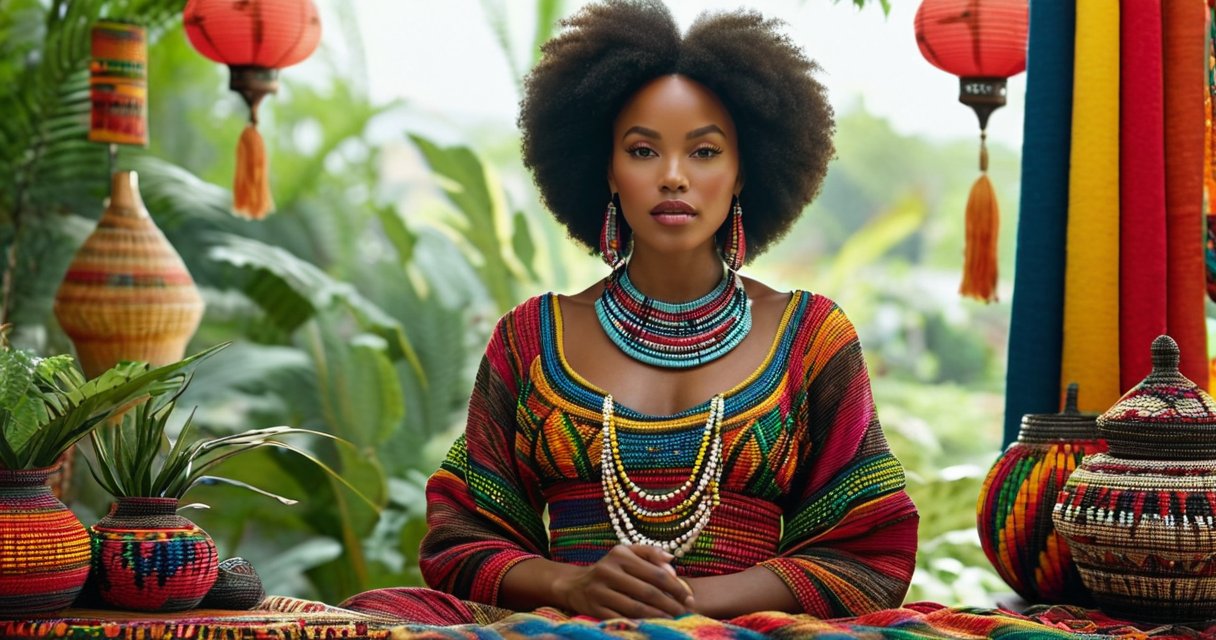
The rise of Afro-ethnic fashion has significantly reshaped global fashion trends, bringing fresh perspectives and vibrant aesthetics to the industry’s forefront. This cultural fusion has enriched the international style landscape, marking a dynamic shift where traditional African patterns, fabrics, and craftsmanship are cherished beyond their local origins and embraced worldwide. The influence of Afro-ethnic style is evident in the way designers and brands incorporate bold prints, intricate beadwork, and diverse textures into contemporary fashion, paying tribute to heritage while appealing to a broad, modern audience.
International fashion trends are increasingly highlighting an Afro-ethnic influence across various platforms, such as runway shows, streetwear, and luxury collections. Major fashion weeks around the world now feature designers who celebrate African heritage, blending ethnic motifs with contemporary styles. This combination emphasises the versatility and richness of Afro-ethnic aesthetics, fostering diversity and authentic expression in the fashion industry. Furthermore, it offers a platform for traditional artisans, allowing their work to gain worldwide recognition and admiration.
The impact of Afro-ethnic fashion related to the fashion industry is intricate. It challenges the often Eurocentric standards of beauty and fashion by promoting inclusivity and representation, while also advancing innovation in textile production and design approaches, as global brands partner with African artisans and designers. This partnership fosters sustainable practices and strengthens local economies, ensuring that the impact of the fashion sector extends beyond mere aesthetics to support social and economic upliftment.
With the increasing acceptance of Afro-ethnic fashion, consumer preferences and expectations are evolving. Shoppers are increasingly drawn to creations that tell a story, represent identity, and showcase cultural pride. This shift influences marketing strategies and product offerings, prompting more brands to introduce Afro-centric collections and expand their size and colour options. The emergence of Afro-ethnic fashion also gives rise to new trends in accessories, footwear, and jewellery, amplifying its influence across various fashion sectors.
In conclusion, the integration of Afro-ethnic fashion into global style trends is not just a passing fad; it represents a crucial transformation in the fashion realm. By honouring African heritage and artistry, it enriches international style narratives and fosters a more inclusive and dynamic fashion community. The growing influence of Afro-ethnic elements continually challenges conventions, ignites creativity, and highlights the abundance of cultural diversity in fashion worldwide.
Fashion designers championing Afro-ethnic styles
Afro-ethnic designers play an essential role in revolutionising fashion by skillfully integrating cultural traditions with contemporary designs. Their work highlights classic textiles, motifs, and artisanal skills, influencing international catwalks and moulding popular fashion. A prominent name in this realm is Nigerian-born Ozwald Boateng, whose tailoring merges bold African patterns with British elegance, garnering him global acclaim. Similarly, Senegalese designer Selly Raby Kane combines urban influences with African roots, captivating audiences across Europe and beyond.
Another notable figure is South African designer Laduma Ngxokolo, who revitalises Xhosa culture through knitwear, making Afro-ethnic designs highly sought after around the world. His innovative approach challenges conventional fashion stories while celebrating his heritage, expanding the attractiveness of Afro-ethnic styles in the global market. Ghanaian designer Maki Oh also sets herself apart by integrating traditional techniques and narratives into high fashion, which has captured the attention of international fashion weeks and well-known celebrities.
These Afro-ethnic designers, alongside a host of emerging talents, are crucial to the evolution of fashion, influencing how global audiences perceive and appreciate African aesthetics. By championing Afro-ethnic styles, they foster cultural exchange and artistic expression, showcasing how traditional elements can be effortlessly integrated into modern fashion. Their impact extends far beyond clothing, as they promote identity, pride, and sustainability within the worldwide fashion scene.
Afro-ethnic fashion in runway and pop culture
Afro-ethnic fashion has significantly shaped global runway shows in recent times, showcasing the rich cultural heritage and innovative designs drawn from African traditions. Creatives from both the continent and the diaspora have risen to prominence at prestigious fashion weeks such as Paris, Milan, and New York, fusing traditional textiles, bold patterns, and vibrant hues with contemporary styles. This fusion has allowed Afro-ethnic fashion to transcend its origins and captivate a global audience.
Runway shows are progressively highlighting collections inspired by Afro-ethnic aesthetics, featuring artisanal techniques like Ankara prints, Kente cloth, and beadwork. These elements provide a fresh perspective at fashion weeks, challenging established Eurocentric norms and promoting enhanced diversity in representation. Furthermore, the presence of Afro-ethnic fashion on the runway not only celebrates identity but also sparks discussions about cultural appreciation and appropriation within the industry.
Within the sphere of pop culture fashion, the influence of celebrities has played a vital role in elevating Afro-ethnic styles to a global audience. Artists, entertainers, and social media influencers often incorporate traditional African attire and accessories into their public events and music videos, turning these distinctive designs into symbols of pride and empowerment. This increased visibility has generated consumer interest and encouraged prominent brands to explore Afro-ethnic motifs in their product lines.
As a result, Afro-ethnic fashion consistently shapes the landscape of pop culture fashion, inspiring younger generations to honour their roots and engage in a more inclusive narrative within global fashion. The partnership between runway representation and celebrity endorsement ensures that this vibrant style maintains its significant role in both current and future fashion movements.
Future prospects and sustainability in Afro-ethnic fashion
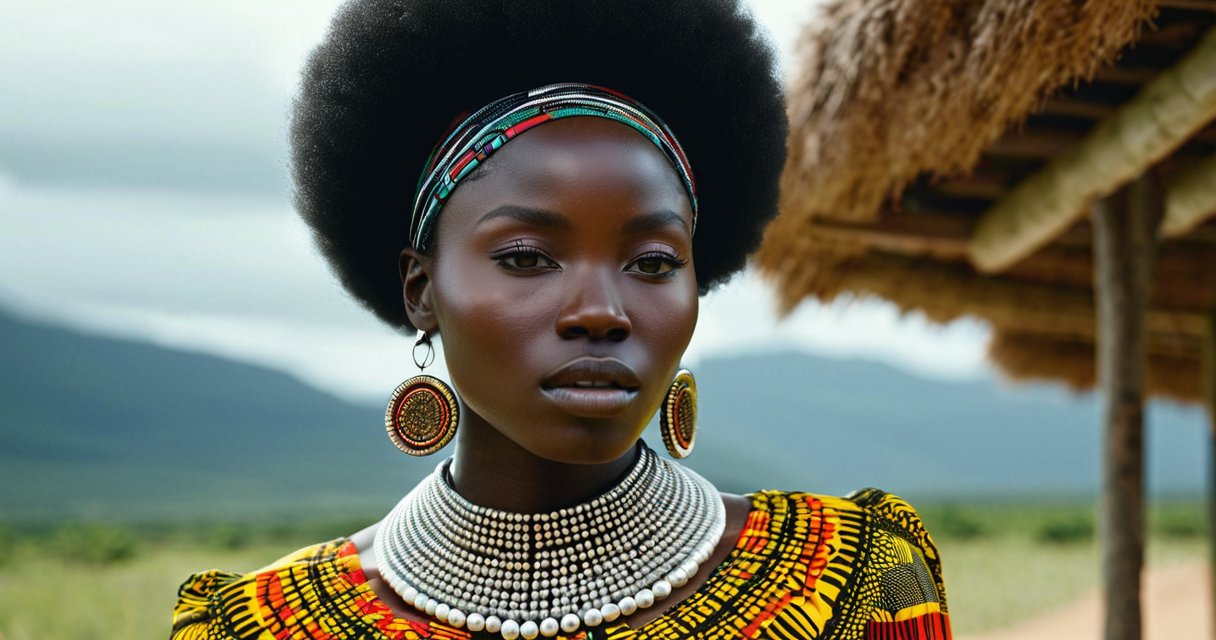
The evolution of Afro-ethnic fashion is increasingly intertwined with the principles of sustainable fashion and ethical production. As global awareness of environmental and social challenges grows, designers and consumers alike are championing practices that respect cultural heritage while also protecting the planet and supporting local communities. This shift signals promising future directions where Afro-ethnic fashion goes beyond simple visual appeal to embrace responsibility and innovation.
An important trend that is currently surfacing in ethical Afro-ethnic fashion is the use of natural, locally sourced materials. Classic textiles such as kente, mud cloth, and Ankara are being revitalised with organic dyes and sustainable production methods. Designers are prioritising biodegradable fabrics and reducing waste through zero-waste cutting techniques, which contributes to minimising the environmental footprint of garment manufacturing. These methods not only uphold sustainable fashion ideals but also preserve the authenticity and richness of Afro-ethnic craftsmanship.
Central to the future of Afro-ethnic fashion is the principle of ethical production. This involves ensuring fair working conditions, where artisans and workers receive just remuneration and work in secure environments. A growing number of brands are creating transparent supply chains that connect consumer demand directly to the well-being of local communities, promoting economic empowerment. Collaborative initiatives between designers and artisans play a crucial role in preserving traditional skills while providing a sustainable income, thereby strengthening the social sustainability that is fundamental to Afro-ethnic fashion.
Another significant development is the rise of circular fashion models within the Afro-ethnic sector. Brands are advocating for recycling, upcycling, and the longevity of clothing, often reimagining vintage pieces or providing repair services. This approach aligns seamlessly with the tenets of sustainable fashion, reducing textile waste and encouraging mindful consumption. Consumers are increasingly attracted to Afro-ethnic brands that demonstrate environmental stewardship while incorporating cultural stories, reflecting a deeper understanding of fashion’s role in global sustainability.
In the years to come, technological progress and global interconnectedness will keep shaping the ethical Afro-ethnic fashion landscape. Digital platforms enhance access to authentic Afro-ethnic creations while promoting sustainability by reducing reliance on physical shops. Furthermore, integrating education on sustainable methods into the training of emerging designers is increasingly vital, ensuring that future styles maintain ethical principles.
In summary, Afro-ethnic fashion stands at a pivotal juncture where sustainable practices and ethical production are redefining its future. The incorporation of eco-friendly materials, fair labour, principles of the circular economy, and advancements in technology offer promising opportunities. As these new trends continue to build traction, Afro-ethnic fashion is poised to flourish globally—honouring its heritage while fostering a responsible and sustainable future.
Eco-friendly materials and production
The rise of Afro-ethnic fashion has brought about a significant focus on eco-friendly textiles and sustainable production methods. Designers and brands within this sphere are increasingly committed to choosing materials that are gentle on the Earth, recognising the importance of preserving both cultural heritage and the environment. Natural fibres such as organic cotton, bamboo, and hemp are frequently favoured due to their low ecological impact and biodegradability, aligning perfectly with the principles of ethical fashion.
A variety of Afro-ethnic fashion labels are increasingly adopting sustainable production methods that reduce water usage, energy consumption, and chemical waste. Approaches like hand-weaving, using plant-based dyes, and low-waste garment design are employed to minimise the sector’s carbon footprint. This dedication to sustainability not only protects the environments that produce these beautiful fabrics but also encourages equitable labour practices that respect the artisans behind each creation.
By integrating eco-friendly materials and sustainable production techniques, Afro-ethnic fashion significantly contributes to global ethical fashion movements. This shift promotes transparency throughout the supply chain, allowing consumers to make informed choices. As a result, the international fashion industry is witnessing how Afro-ethnic designers, championing environmental responsibility, can set new standards that blend cultural heritage with ecological stewardship for a more responsible and sustainable future.
Emerging designers and brands
The world of Afro-ethnic fashion is experiencing a shift driven by a vibrant influx of new Afro-ethnic brands, each presenting fresh perspectives and innovation on the global stage. These up-and-coming designers are committed not only to celebrating cultural heritage through their work but also to pioneering innovative fashion techniques that blend traditional craftsmanship with contemporary aesthetics. Their collections often feature unique fabric treatments, bold patterns, and thoughtfully designed silhouettes that challenge traditional fashion norms while honouring their roots.
What sets these emerging designers apart is their dedication to sustainability. Many of them are embracing eco-friendly production methods, utilising organic or recycled materials, and promoting the principles of slow fashion. This approach not only preserves cherished artisanal crafts but also meets the growing demand for responsible fashion practices. Through their initiatives, they are redefining the notion of fashion today by combining ethical values with striking design.
Brands of this nature are gaining recognition for their ability to innovate while honouring tradition, positioning themselves as frontrunners in the Afro-ethnic fashion movement. Their successes are promoting a deeper understanding and appreciation for diverse cultural narratives within fashion, contributing to the creation of a more inclusive industry. As new Afro-ethnic brands consistently arise globally, the dialogue regarding fashion innovation and sustainability in this area is enriching the broader fashion landscape, inspiring both consumers and creators.

I’m fascinated by the vibrant intersection of contemporary fashion and traditional African craftsmanship. I spend my free time exploring markets, learning about textile techniques, and sharing the stories behind each piece with our readers.