
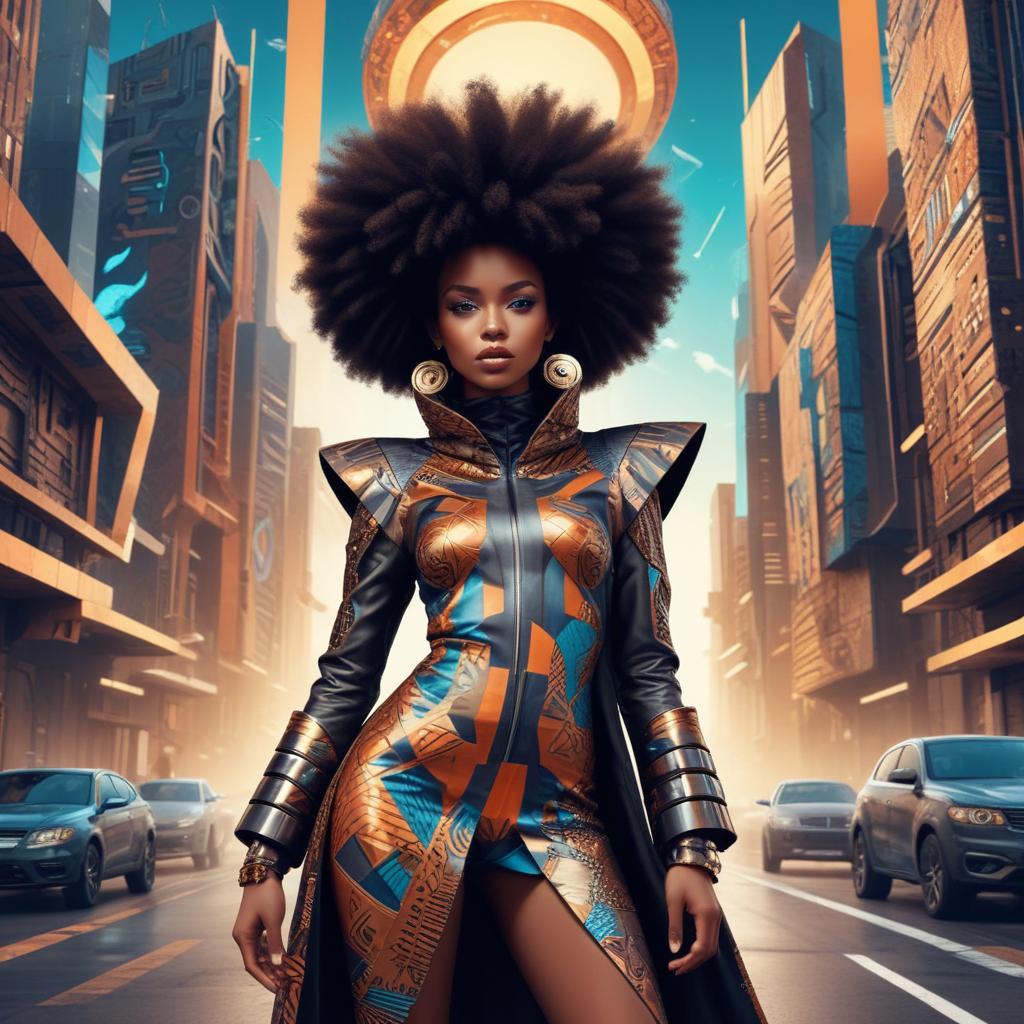
Introduction to Afro-futurism in Modern Fashion
Afro-futurism is a vibrant cultural and artistic phenomenon that has established a unique niche in the world of contemporary fashion. At its essence, Afro-futurism merges aspects of science fiction, historical narratives, and African heritage, envisioning the future through a perspective firmly anchored in black identity and legacy. This groundbreaking movement has impacted not just art and literature but has also significantly shaped modern fashion, motivating designers and creators across the globe to delve into fresh aesthetics and stories.
Afro‑futurism originated in the late 20th century, arising as a reaction to the frequently overlooked and misinterpreted stories of African and African‑diasporic life. It presents an imaginative outlook that contests ordinary ideas of time, place, and identity, fusing sci‑fi elements with classic African motifs and textiles. This blend has enabled Afro‑futurism to become a potent vehicle for cultural expression and social critique, especially within fashion.
In modern fashion, Afro-futurism has become a vital influence, introducing new dialogues about cultural influence and fashion innovation. Designers inspired by this movement incorporate bold patterns, metallic fabrics, and avant-garde silhouettes that pay homage to African heritage while envisioning a future where black culture stands central to global narratives. This convergence of past, present, and future challenges the fashion industry to rethink concepts of beauty, identity, and creativity.
The significance of Afro-futurism in fashion lies not only in its aesthetic appeal but also in its deeper cultural implications. By merging technology, tradition, and speculative thought, it creates a space where black individuals can envision empowered futures beyond historical limitations. Fashion becomes a form of storytelling and resistance, celebrating innovation while acknowledging cultural roots. As Afro-futurism continues to shape modern fashion, it reinforces the importance of diverse representation and the transformative power of cultural influence in redefining style and identity on a global scale.
Historical Background of Afro-futurism
Afro-futurism history is deeply intertwined with the cultural roots and experiences of the African diaspora. Emerging as a distinctive movement in the late 20th century, Afro-futurism synthesises elements of science fiction, technology, and African traditions to create a visionary narrative that reimagines the future through a black cultural lens. Its foundation lies not only in the artistic exploration of speculative futures but also in the reclamation and celebration of African identity, heritage, and spirituality in contexts that have historically marginalized these experiences.
The movement has its roots in the African diaspora’s complex history of displacement and resilience. Afro-futurism draws from the collective memories of slavery, colonialism, and migration, reinterpreting these past struggles while projecting empowered narratives outward. This engagement with history enables Afro-futurism to address contemporary issues of race, identity, and technology in ways that challenge dominant cultural assumptions and broaden the scope of black expression in art, music, literature, and fashion.
As the African diaspora continued to expand globally, Afro-futurism became a creative outlet responding to the need for self-definition and future imagining beyond imposed limitations. The movement gained momentum through influential figures in music and literature, such as Sun Ra and Octavia Butler, whose works encapsulated the themes of cosmic exploration and technological innovation intertwined with African heritage. Today, Afro-futurism history serves as a cornerstone for understanding how the African diaspora continues to shape modern fashion, creating designs that reflect both ancestral reverence and futuristic innovation.
Key Characteristics in Fashion
Afro-futurism style in fashion is a unique blend of futuristic aesthetics and traditional African influences, creating a distinctive visual narrative that challenges conventional design boundaries. The fashion elements characteristic of this style often include bold colour palettes inspired by the vibrant hues found across African cultures, intertwined with metallics and neon accents that evoke a sense of the future. This combination not only celebrates heritage but also projects a forward-looking vision of identity and empowerment.
Design motifs in Afro-futurism frequently draw from indigenous patterns and symbols, such as geometric shapes, tribal prints, and intricate beadwork. These traditional elements are often reinterpreted with cutting-edge techniques, blending forms like 3D-printed textiles or laser-cut fabrics with time-honoured craftsmanship. The contrast between the organic and the synthetic highlights the dialogue between the past and the future, a key theme in Afro-futurism style.
Moreover, Afro-futurism embraces unconventional silhouettes and innovative materials that challenge the norms of fashion design. This includes exaggerated shoulder lines, asymmetric cuts, and sculptural accessories reminiscent of sci-fi iconography yet rooted in African cultural symbolism. Hair and makeup also play essential roles, often incorporating futuristic elements such as metallic accents or avant-garde hairstyles, further enhancing the narrative.
Ultimately, Afro-futurism style in fashion is a dynamic fusion of technology, heritage, and creativity, where fashion elements and design motifs coalesce to tell powerful stories about identity, culture, and the possibilities of the future.
Impact of Afro-futurism on Contemporary Designers
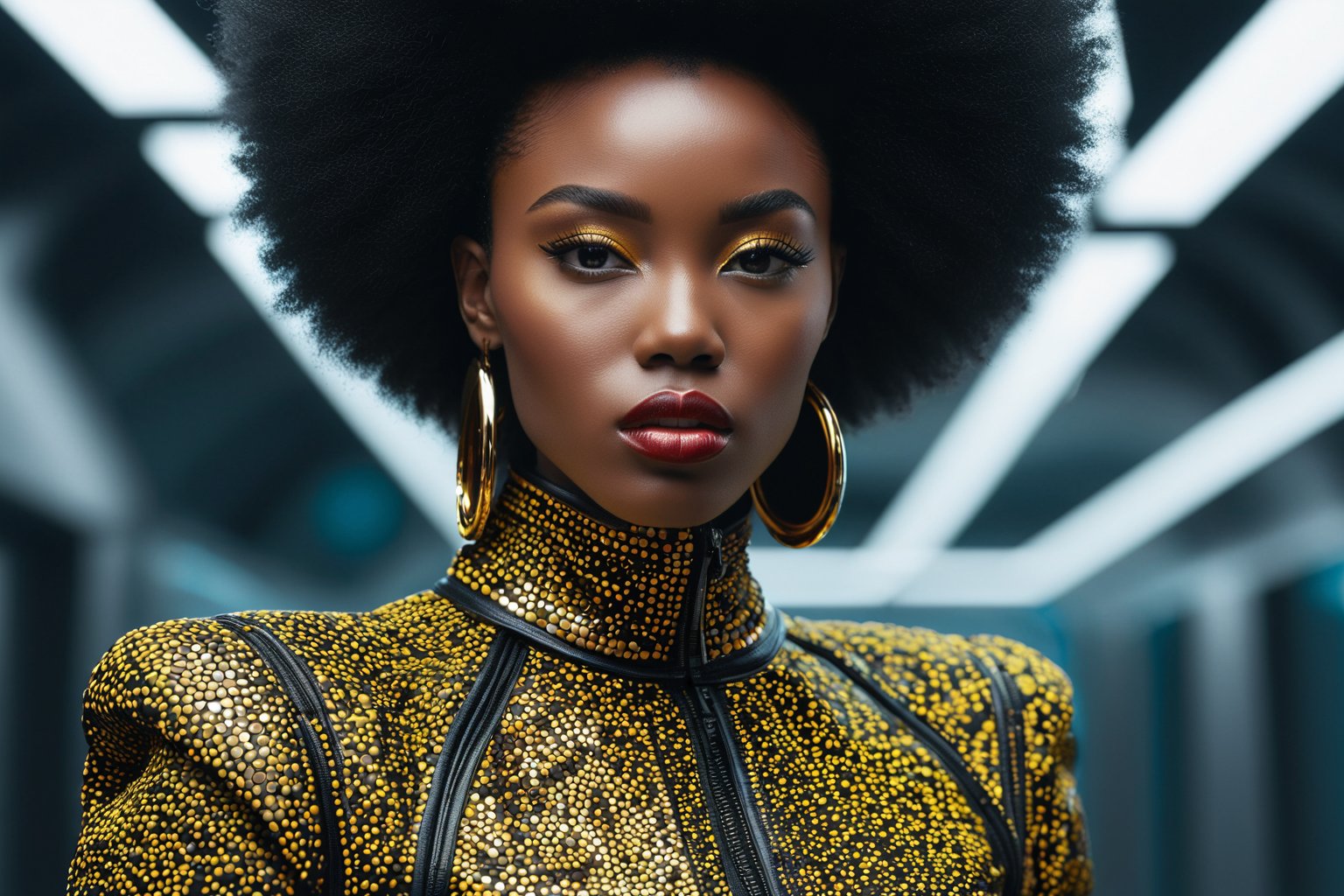
Afro-futurism has emerged as a significant force in shaping the direction of contemporary fashion, deeply influencing designers who seek to blend innovation with cultural expression. This movement, which creatively reimagines the futures and histories of the African diaspora, offers a rich tapestry of themes, aesthetics, and narratives that contemporary designers are increasingly drawing upon to redefine their work and challenge conventional boundaries within the fashion industry.
Designers inspired by Afro-futurism are pioneering new approaches to fabric manipulation, pattern making, and silhouette construction that not only push the limits of design innovation but also celebrate African heritage and futuristic optimism. The use of bold prints, unconventional materials, and technologically infused textiles exemplifies how Afro-futurism fosters experimental design innovations that resonate on both artistic and cultural levels. This dual focus enables designers to present clothing that acts as a medium for storytelling and a form of personal and collective identity.
The fashion industry, traditionally slow to embrace diverse cultural influences, has begun recognising Afro-futurism as a powerful source of inspiration that challenges Eurocentric fashion norms. This recognition has encouraged a wave of designers to integrate Afro-futuristic elements into their collections, from runway presentations to streetwear, thereby transforming how cultural expression is perceived and valued globally. It also opens doors for underrepresented voices to shape fashion dialogues, creating a more inclusive industry landscape.
Many contemporary designers now view Afro-futurism as more than just a trend; it is a vital framework for innovation that bridges past, present, and future. By integrating motifs such as cosmic imagery, ancestral symbols, and futuristic technologies, they create garments that provoke thought and inspire connection. This approach not only contributes to the fashion industry’s evolution but also emphasises the importance of cultural heritage as a continuous, living influence on modern creativity.
Ultimately, Afro-futurism’s impact on contemporary designers extends beyond aesthetics, fostering a deeper dialogue about identity, belonging, and progress within the fashion industry. It pushes designers to innovate sustainably and consciously while highlighting the significance of cultural narratives in shaping the future of fashion. As the movement grows, it promises to continue transforming the industry, making it more reflective of a diverse, dynamic global society.
Notable Afro-futurist Fashion Designers
Afro-futurist fashion is brought to life by a group of visionary designers who blend traditional African aesthetics with futuristic themes. These prominent figures have made significant contributions to modern fashion, pushing the boundaries of design and culture. Their innovative work champions Afro-futurism not only as a style but as a powerful narrative that redefines identity and heritage within the global fashion landscape.
| Designer | Contribution | Notable Work |
|---|---|---|
| LaQuan Smith | Known for bold silhouettes and futuristic embellishments, Smith integrates Afro-futurist elements by combining modern urban influences with imaginative designs. | Futuristic gowns and streetwear collections featured at New York Fashion Week. |
| Maki Oh | Nigerian designer Maki Oh fuses traditional African craftsmanship with futuristic textures and patterns to create garments that celebrate heritage and forward-thinking design. | Pieces worn by global icons like Beyoncé, showcasing Afro-futurist narratives on international platforms. |
| Sunneig | Sunneig’s work explores Afro-futurist themes through sculptural forms and innovative materials, emphasising cultural storytelling within modern fashion contexts. | Avant-garde collections incorporating symbolism of African mythology and technology. |
| Kerby Jean-Raymond (Pyer Moss) | Jean-Raymond brings activism and Afro-futurism into fashion by highlighting black identity and futuristic concepts through dynamic runway shows and collaborations. | Pyer Moss collections that blend socio-political commentary with Afrocentric futurism. |
Afro-futurism and Sustainable Fashion
Afro-futurism and sustainability intersect in modern fashion by promoting a visionary approach that values not only cultural identity but also the planet’s well-being. This movement combines futuristic themes with African heritage, inspiring designers to rethink traditional methods and embrace eco-friendly fashion. By integrating sustainability into their creative processes, Afro-futurist designers highlight the importance of ethical design practices that respect both people and the environment.
Eco-friendly fashion within Afro-futurism often means utilising natural and recycled materials, reducing waste through innovative techniques, and supporting local artisans who uphold sustainable craftsmanship. This approach ensures that garments are not only visually striking but also minimise environmental impact. The emphasis on sustainability fosters a deeper connection to heritage while addressing contemporary challenges such as climate change and resource depletion.
Moreover, ethical design in Afro-futurism champions transparency and fairness in the fashion supply chain. It prioritises social responsibility by ensuring safe working conditions, fair wages, and community empowerment. These principles align closely with the core values of Afro-futurism, which seeks to envision a progressive future rooted in justice and respect for cultural narratives.
In summary, Afro-futurism and sustainable fashion are intricately linked through their shared commitment to creating innovative, eco-conscious designs that celebrate African identities. By advancing eco-friendly fashion and ethical design, this movement offers a blueprint for a more responsible, inclusive, and forward-thinking fashion industry.
Future Trends and the Evolution of Afro-futurism in Fashion

Afro-futurism in fashion continues to chart a dynamic course, weaving together culture, technology, and visionary aesthetics. As we look ahead, future trends in this inspiring movement reveal a seamless integration of innovation with traditional Afrocentric elements, signalling a new era for fashion evolution. Designers are increasingly harnessing cutting-edge technology to amplify the expressive power of Afro-futurism, pushing boundaries and redefining what the future of fashion looks like.
One of the most notable trends on the horizon is the use of smart textiles and wearable technology. Fabrics embedded with sensors, LED lights, and responsive materials are becoming prevalent, allowing garments to interact with the environment or the wearer. This technological feat not only enhances functionality but also elevates the visual narrative of Afro-futurism future by portraying motifs and stories in innovative, dynamic ways. Imagine clothing that morphs with movement or changes colour based on mood or surroundings—such innovations are poised to become staples within this genre.
Another key aspect of the fashion evolution within Afro-futurism is sustainability driven by technology. Eco-friendly materials crafted through bioengineering and 3D printing revolutionise the production process, reducing waste and environmental impact while maintaining avant-garde designs. These techniques support the ethos of Afro-futurism by merging ancestral respect with futuristic responsibility, creating garments that are both culturally significant and technologically advanced.
Moreover, virtual and augmented reality technologies are set to expand the platforms for Afro-futurism in fashion. Virtual runways and digital fashion collections will offer immersive experiences, enabling designers to explore imaginative worlds and narratives without physical constraints. This transition to digital realms highlights the movement’s adaptability and forward-thinking spirit, inviting a global audience to engage with Afro-futuristic aesthetics in unprecedented ways.
Looking forward, the fusion of Afro-futurism with artificial intelligence also holds exciting possibilities. AI could assist designers in creating bespoke, highly customised fashion pieces that reflect individual heritage and futuristic aspirations. It heralds a future where fashion is not merely worn but experienced, fully embodying the creative and cultural vision of Afro-futurism.
In summary, the future trends in Afro-futurism are defined by an innovative marriage of technology and cultural identity, marking a significant phase in fashion evolution. As the movement embraces advancements in smart textiles, sustainable production, immersive digital platforms, and AI, Afro-futurism is set to inspire and shape the global fashion landscape like never before.
Technological Advancements and Afro-futurism
The intersection of wearable tech, innovation, and Afro-futurism is redefining modern fashion in exhilarating ways. Emerging technologies are empowering designers to push the boundaries of creativity, blending cultural heritage with futuristic elements to create distinctive Afro-futurist styles. Wearable tech offers a new dimension to fashion, integrating functionality with striking aesthetics. Smart fabrics, embedded sensors, and LED elements allow garments to interact dynamically with the wearer and their environment, embodying the essence of innovation that Afro-futurism celebrates.
Digital fashion is another revolutionary force influencing Afro-futurist design. Virtual garments and augmented reality experiences enable designers to experiment beyond physical constraints, creating visionary looks that challenge traditional fashion norms. This digital realm amplifies Afro-futurism’s imaginative spirit, facilitating the representation of cultural narratives through futuristic, tech-inspired visuals. Designers are now crafting digital collections that blend ancestral motifs with cutting-edge graphics and futuristic silhouettes, foregrounding the fusion of past, present, and future.
Moreover, wearable tech and digital fashion foster sustainability and inclusivity within Afro-futurism. By utilising technology, designers reduce waste through virtual trial and error and offer personalised, adaptive fashion solutions. These advancements honour the innovation intrinsic to Afro-futurism – a movement that not only redefines identity but also champions progress through technology and creativity. In essence, technological advancements are pivotal in shaping Afro-futurist styles, signalling a bold future where culture and innovation coexist harmoniously.
Cultural Influence and Global Reach
Afro-futurism has emerged as a powerful force within global fashion, radically reshaping perceptions and narratives across diverse markets. This movement, deeply rooted in reimagining African heritage through futuristic aesthetics, has transcended local expressions and asserted a significant cultural impact on the international stage. Designers and brands are increasingly incorporating Afro-futurist elements into their collections, which reflects a growing demand for distinctive and meaningful storytelling in fashion.
The expansion of Afro-futurism is evident as it influences everything from high fashion runways in Paris and Milan to streetwear trends in Tokyo and New York. This broad appeal is not merely about aesthetics; it fosters cross-cultural dialogues that challenge conventional ideas of identity, technology, and tradition. Through vibrant textiles, bold silhouettes, and symbolic motifs, Afro-futurism conveys complex histories and aspirational futures, inviting consumers worldwide to engage with African-inspired narratives.
Moreover, Afro-futurism’s cultural impact extends beyond visual expression, influencing how global fashion markets approach inclusivity and representation. It encourages collaboration between African artists, designers, and international fashion houses, creating a dynamic ecosystem that supports innovation while honouring cultural authenticity. As this movement continues to expand, it redefines the fashion landscape by positioning Africa not only as a source of heritage but also as a visionary leader in future-facing design.

I’m fascinated by the vibrant intersection of contemporary fashion and traditional African craftsmanship. I spend my free time exploring markets, learning about textile techniques, and sharing the stories behind each piece with our readers.