
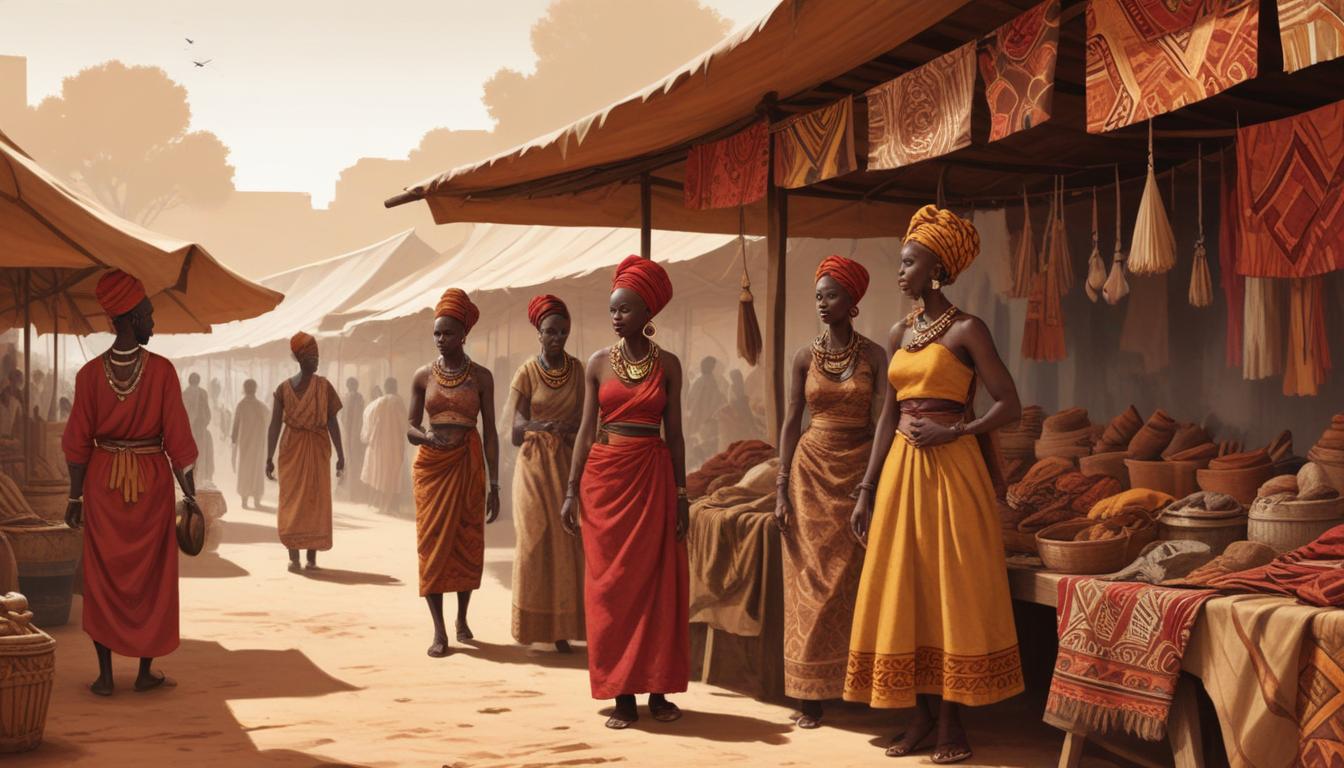
Historical Roots of African Costume Design
The history of African costume design is deeply intertwined with the continent’s rich cultural heritage and diverse ethnic groups. Traditional clothing in Africa is not merely about aesthetics but serves as a vital expression of identity, social status, community affiliation, and spirituality. Each region and ethnic group has developed distinctive styles that have evolved over centuries, reflecting local resources, climate, beliefs, and historical influences.
In West Africa, for example, the use of woven textiles such as Kente cloth by the Ashanti people of Ghana is renowned for its vibrant colors and intricate patterns. These textiles carry symbolic meanings often related to proverbs, historical events, or social values. Similarly, the Yoruba of Nigeria have long valued elaborate beadwork and hand-embroidered garments that denote prestige and heritage, commonly worn during important ceremonies.
Moving to East Africa, the Maasai are famous for their distinctive red shukas and beadwork, which embody a strong cultural heritage that connects them to their ancestors and land. Their traditional clothing is adapted to their pastoral lifestyle and the harsh climate of the region, while also serving ceremonial and symbolic purposes. In the Horn of Africa, Somali and Ethiopian traditional wear features flowing robes and scarves that denote regional customs and Islamic influences.
Southern Africa showcases rich diversity as well, with the Zulu and Xhosa peoples known for their colorful and highly decorative costumes that incorporate beadwork, leather, and woven fabrics. These garments often signify clan membership, social ranking, and rites of passage. The use of these traditional clothing styles remains a powerful way to preserve African costume history and cultural identity amidst modern changes.
Overall, the traditional clothing and costumes of Africa are invaluable records of the continent’s cultural heritage. They hold stories of migration, adaptation, and creativity that continue to influence contemporary African fashion designers today. Understanding the historical roots of African costume design allows us to appreciate its lasting significance and the craftsmanship passed down through generations.
Traditional Fabrics and Materials
African costume design is deeply rooted in the use of distinctive traditional fabrics and materials, each carrying rich cultural significance. Among the most renowned is the kente cloth, a vibrant, handwoven textile originating from the Ashanti people of Ghana. Kente is not only admired for its bright, geometric patterns but also for its symbolic representation of history, philosophy, ethics, and social values. Each color and shape in kente conveys a particular meaning, often celebrating life events or expressing moral ideals.
Another prominent fabric is mud cloth, or bogolanfini, from the Bambara people in Mali. Made from handwoven cotton dyed with fermented mud, this cloth is prized for its earthy hues and striking symbols painted onto its surface. Mud cloth patterns typically tell stories or denote social status and identity, making it a wearable piece of cultural heritage.
Adire, the indigo-dyed cloth from the Yoruba people of Nigeria, offers yet another example of traditional fabric art. The fabric is created using resist-dye techniques, where patterns are formed by tying, stitching, or applying starch before dyeing the cloth with natural dyes derived from plants. The deep blues of adire and the intricate patterns symbolize protection, spirituality, and community values.
Natural dyes play a crucial role in African textiles, derived from plants, roots, bark, and minerals. These dyes not only add vibrant colors but also connect the fabric to the land and its resources. The use of these materials in African costume design preserves ancestral knowledge and celebrates the continent’s diverse cultural identity.
Symbolism and Cultural Significance
African costumes serve as profound symbols that convey social status, identity, and spiritual beliefs across diverse communities. Each item of clothing is carefully crafted with colors, patterns, and materials chosen to represent specific meanings within a cultural context. For instance, ritual garments are often worn during significant ceremonies to honor ancestors or invoke protection from spiritual forces. These garments are not merely decorative but are imbued with symbolism that reflects the wearer’s role and connection to the spiritual world.
In many African societies, costumes play a vital role in expressing status and identity. Distinctive clothing can denote one’s position within the social hierarchy, such as a chief or elder, instantly communicating authority and respect. The use of rare fabrics, intricate beadwork, and elaborate designs often highlights the wearer’s prestige and wealth. Moreover, costumes also function as visual markers of ethnic identity, helping to differentiate groups and preserve cultural heritage across generations.
The symbolic nature of African costumes extends to their use in storytelling and communal rituals, where each element—from the choice of fabric to the style of adornment—carries layered meanings. Through these traditional garments, communities maintain a rich dialogue between past and present, reinforcing values and collective memory. Ultimately, African costume design is a dynamic reflection of the deep connection between attire, social fabric, and spiritual life.
Modern Innovations and Influences
Contemporary African fashion represents a dynamic and vibrant fusion of heritage and modernity, illustrating how designers skillfully blend traditional motifs with modern costume design and global influences. In recent years, African designers have embraced their rich cultural legacies while innovatively incorporating contemporary styles that resonate on a global scale, shaping a new era of fashion that honors the past yet looks boldly towards the future.
Traditional African motifs such as intricate beadwork, bold geometric patterns, and symbolic embroidery have always been integral to costume design across the continent. Modern designers are reinterpreting these elements by integrating them with sleek silhouettes, innovative fabrics, and avant-garde tailoring techniques. This melding of old and new not only preserves cultural identities but also redefines them in ways that appeal to cosmopolitan tastes.
Global influences play a crucial role in shaping contemporary African fashion. Designers draw inspiration from international trends, such as streetwear, haute couture, and sustainable fashion movements, and seamlessly incorporate these into their work. For instance, the use of eco-friendly textiles aligns with global sustainability goals while still celebrating African craftsmanship. The cross-pollination between local traditions and worldwide trends results in designs that are both authentic and cutting-edge, appealing to a diverse audience.
Moreover, technology and digital platforms have revolutionized the way modern costume design is conceived and showcased. Designers easily access global markets and collaborate across borders, fostering a vibrant exchange of ideas. This exposure drives innovation, as contemporary African fashion evolves in response to international fashion dialogues while staying deeply rooted in cultural ancestry.
Ultimately, the blend of traditional motifs, modern styles, and global influences in contemporary African fashion highlights the continent’s unique position within the global fashion landscape. It celebrates a creative synthesis that honors heritage, embraces innovation, and champions diversity, positioning African designers as influential players on the world stage.
Impact of Globalisation on African Costume
Globalisation has profoundly influenced African costume design by facilitating a dynamic fashion exchange between continents. As international exposure increases, African designers are not only showcasing traditional attire on global platforms but also integrating cross-cultural influences into their creations. This melding of styles enriches African fashion, making it more versatile and appealing to diverse audiences worldwide.
The rise of digital media and international fashion events enables designers to draw inspiration from different cultures while preserving their heritage. Consequently, African costumes have evolved beyond conventional fabrics and patterns to include contemporary cuts, innovative materials, and hybrid aesthetics. This fusion reflects the global dialogue in fashion, where elements from various ethnicities blend seamlessly, celebrating diversity and creativity.
Moreover, globalisation encourages sustainable practices by promoting awareness about ethical production and cultural appreciation. African designers are thus empowered to create costumes that not only honor traditional craftsmanship but also meet modern fashion standards. The resulting trends highlight how globalisation propels African costume into new realms of artistic expression and international relevance, underscoring the ongoing cross-cultural influences shaping the fashion landscape.
Notable Contemporary African Designers
African fashion designers have significantly influenced modern costume design by blending traditional aesthetics with contemporary trends. Designers such as Lisa Folawiyo from Nigeria are celebrated for their innovative use of indigenous fabrics, transforming traditional textiles like Ankara into haute couture, thereby promoting African heritage on global runways. Another prominent figure, Laduma Ngxokolo from South Africa, revolutionizes knitwear by integrating Xhosa beadwork and patterns into modern silhouettes, showcasing fashion innovation that bridges cultural identity and modernity.
In addition, designers like Maki Oh’s Amaka Osakwe use fashion to tell African stories, combining craftsmanship with sustainability and highlighting the continent’s rich cultural narratives through unique modern costume design. These designers are not only champions of style but also advocates for the cultural significance and evolution of African costume design, pushing the boundaries of what defines African fashion today. Their work has opened doors for many emerging talents and redefined African fashion designers as key players in the global fashion industry.
By challenging conventional designs and embracing innovation, contemporary African designers continue to elevate African costume on international platforms, ensuring that the continent’s fashion heritage evolves with modern influences while maintaining its unique identity. Their creative contributions mark a pivotal shift in how African costumes are perceived, making them both culturally relevant and fashion-forward.
The Future of African Costume Design
The future of African costume design is vibrant and dynamic, driven by emerging trends that blend tradition with innovation. As designers explore new creative frontiers, there is a growing emphasis on sustainable fashion, digital influence, and the integration of cutting-edge technology. These elements collectively shape how African costume design evolves in the global fashion landscape.
One of the most notable future trends is the fusion of heritage fabrics and contemporary styles, which appeals to both local and international audiences. Designers are increasingly experimenting with bold colors, unconventional silhouettes, and intricate patterns that reflect diverse African cultures while pushing the boundaries of modern fashion. This trend fosters a renewed appreciation for cultural identity alongside a globalized fashion sensibility.
Sustainability practices have taken center stage in the future of African costume design. Many designers are adopting eco-friendly materials, including organic cotton, biodegradable fabrics, and recycled textiles, to minimize environmental impact. Additionally, traditional handmade techniques like weaving, dyeing, and embroidery are being preserved while promoting slow fashion principles. This approach not only supports local artisans but also ensures that fashion consumption is more ethical and sustainable.
Technological advances are also profoundly influencing the future of African costume design. Digital tools such as 3D design software and virtual reality are enabling designers to prototype and showcase collections without physical constraints. Social media platforms further amplify this digital influence, providing African designers with unprecedented access to global audiences and collaborations. Moreover, technology facilitates the documentation and preservation of indigenous textile knowledge, integrating heritage with modern innovation.
Looking ahead, the intersection of future trends, sustainable fashion, and digital influence promises a transformative era for African costume design. This evolution not only celebrates the continent’s rich cultural legacy but also pioneers new paths for creativity and responsible fashion production. As African designers continue to lead this progress, the global fashion stage eagerly anticipates the fresh perspectives and innovative designs that define the future.
Sustainability and Ethical Practices
In recent years, African costume design has increasingly embraced the principles of sustainable fashion and ethical design, highlighting a strong commitment to reducing environmental impact. Designers across the continent have been pioneering efforts to source materials that are both environmentally friendly and ethically produced. This includes the use of organic fabrics, natural dyes, and traditional hand-weaving techniques that minimize waste and energy consumption. These methods not only preserve cultural heritage but also promote sustainability by avoiding harmful chemicals and synthetic materials.
Moreover, many African designers collaborate directly with local artisans and communities to ensure fair wages and safe working conditions, making ethical design a central pillar of their work. By fostering transparency and responsibility in their supply chains, these designers contribute to a fashion industry that respects both people and the planet. This commitment to sustainability is evident in the growing popularity of upcycled fabrics and recycled materials, which are creatively repurposed to create vibrant, innovative costumes.
These efforts showcase how African costume design can lead the way in sustainable fashion by balancing tradition with modern environmental concerns. The movement not only highlights the beauty of ethically sourced materials but also inspires global audiences to rethink the environmental impact of their clothing choices, making sustainability and ethical design integral to the future of African costume artistry.
Digital and Virtual Innovations
Digital fashion is revolutionizing the way African costumes are designed and presented. With advancements in technology, designers are now able to create intricate virtual costumes that capture the rich cultural heritage and contemporary influences of African fashion. These virtual creations allow for limitless experimentation with colors, fabrics, and styles without the constraints of physical materials, opening new avenues for creativity and innovation.
Virtual fashion shows have become a significant platform for showcasing African costumes to a global audience. These events leverage technology to provide immersive experiences that transcend geographical boundaries, enabling designers to reach international markets and fashion enthusiasts worldwide. By integrating digital elements such as augmented reality and 3D modeling, these virtual presentations enhance the storytelling aspect of African costume design, highlighting the cultural narratives behind each piece.
The influence of technology in fashion is also evident in the production process of African costumes. Digital tools like computer-aided design (CAD) and 3D printing streamline the creation process, allowing for precise tailoring and rapid prototyping. This not only increases efficiency but also preserves traditional craftsmanship by merging it with modern techniques. As digital fashion continues to evolve, it promises to sustainably transform the African costume design landscape while maintaining its vibrant cultural essence.

I’m fascinated by the vibrant intersection of contemporary fashion and traditional African craftsmanship. I spend my free time exploring markets, learning about textile techniques, and sharing the stories behind each piece with our readers.