
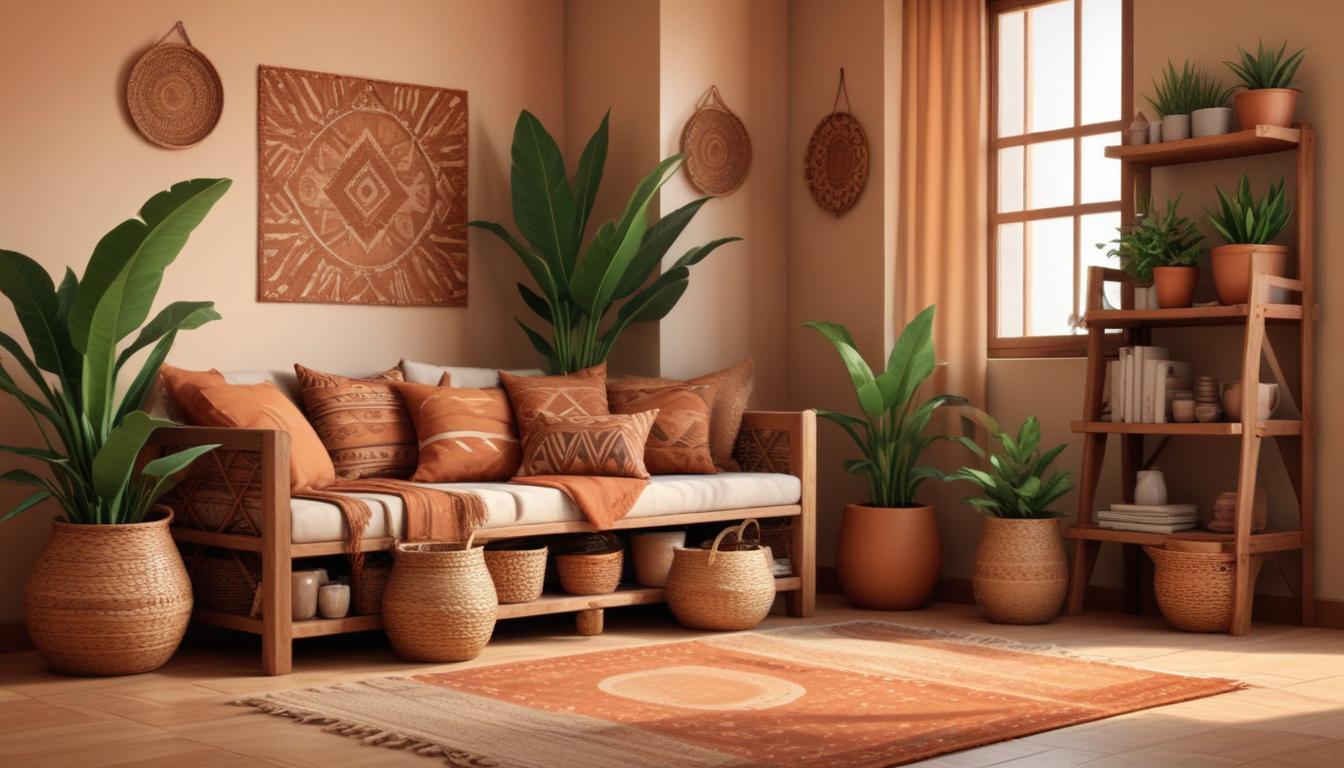
Understanding Ethno-Inspired Home Décor
Ethno-inspired decor represents a unique approach to interior design that takes significant inspiration from the diverse cultural heritage and artistic practices of different ethnic communities globally. This decorating style merges traditional motifs, textures, hues, and artisanal items to craft environments that honour cultural diversity and narratives. Essentially, ethno-inspired decor converts ordinary living areas into lively displays of cultural home design, encouraging a profound appreciation for the history and craft inherent in ethnic decoration.
The importance of ethno-inspired home décor is found in its capacity to link individuals with cultures that differ from their own, promoting a sense of global awareness and appreciation. It transcends simple aesthetics, providing a significant means to safeguard and celebrate the skills and customs of diverse communities. Integrating features like African crafts, Indigenous textiles, or Asian ceramics into living environments not only enhances visual appeal but also acts as a tribute to cultural heritage and identity. This style of interior design fosters storytelling through items, rendering homes both personal and informative.
In recent times, decor inspired by various cultures has seen a significant surge in popularity within the realm of interior design. As individuals aim to infuse their homes with genuine and significant elements, the interest in ethnic decoration that champions artisanal skills and sustainability is on the rise. Both designers and homeowners are finding themselves attracted to the warmth, personality, and uniqueness that such decor introduces into a space. The blend of traditional craftsmanship with modern design aesthetics results in a vibrant and diverse appearance that appeals to current preferences, establishing it as a preferred option for those looking to express cultural narratives through their home decor.
The increasing popularity of cultural home design mirrors a wider global shift towards celebrating diversity and inclusion in lifestyle preferences. By incorporating ethnically-inspired features, residences transform from mere living spaces into explorations of various cultures, histories, and artistic expressions. This growing recognition of ethnic decor guarantees that these styles will continue to hold relevance, encouraging more individuals to discover and integrate cultural themes and crafts into their daily surroundings.
Cultural Influence in Interior Design
The diverse heritage of African culture has profoundly impacted current interior design trends, adding a lively and heartfelt aspect to today’s homes. This cultural impact is reflected in the incorporation of ethnic styles that celebrate the diversity and craftsmanship found in African customs. Featuring handwoven fabrics, striking designs, and detailed wooden sculptures alongside pottery, these components enhance spaces with genuine character and warmth.
Interior designers are progressively integrating African-inspired patterns and materials to craft environments that narrate a tale and evoke a feeling of heritage. The combination of traditional African aesthetics with modern design concepts leads to interiors that are both enduring and relevant. This mix showcases natural materials such as rattan, leather, and woven fibers, often seen in African crafts, which provide an organic and tactile essence to contemporary décor.
Additionally, the impact of African culture fosters the incorporation of lively earth hues and striking geometric designs in fabrics and accessories, which enhance the richness and personality of interior spaces. These ethnic aesthetics not only enhance a room’s appeal but also foster a link to cultural stories and artisanal skills, elevating the overall design journey. Consequently, residences featuring African-themed decoration are recognised for their unique and significant visual style, reflecting the increasing worldwide admiration for varied cultural influences in interior design.
Benefits of Using Ethnic Crafts in Your Home
Integrating ethnic crafts into your home décor presents a variety of advantages, ensuring your living environment is genuinely distinctive and tailored to you. A key benefit of ethnic crafts is the chance to express your personality through unique items that differ from typical décor. These crafts frequently embody a story and rich cultural heritage, enabling you to engage with diverse traditions and histories. This cultural recognition enriches your décor, turning your home into something beyond a mere residence—it evolves into a showcase of international art.
Ethnic crafts offer remarkable opportunities for personalising your home by merging traditional artistry with contemporary design. Each item, be it handwoven textiles, ceramics, or sculptures, embodies a genuine representation of the artisan’s heritage, ensuring your interiors are distinctive. This individuality stands in stark contrast to mass-produced decorations, allowing your space to showcase your preferences and principles while maintaining the artistry that could otherwise be lost.
Additionally, incorporating ethnic crafts into interior design aids communities and preserves their cultural artistry. By valuing and supporting these creations, homeowners play a role in maintaining traditional craftsmanship, promoting cultural diversity and economic strength. Adopting ethnic crafts enhances your home’s beauty while also telling a tale of respect and global togetherness, enriching your living space in ways that extend beyond mere appearance.
Incorporating African Crafts into Your Home Décor
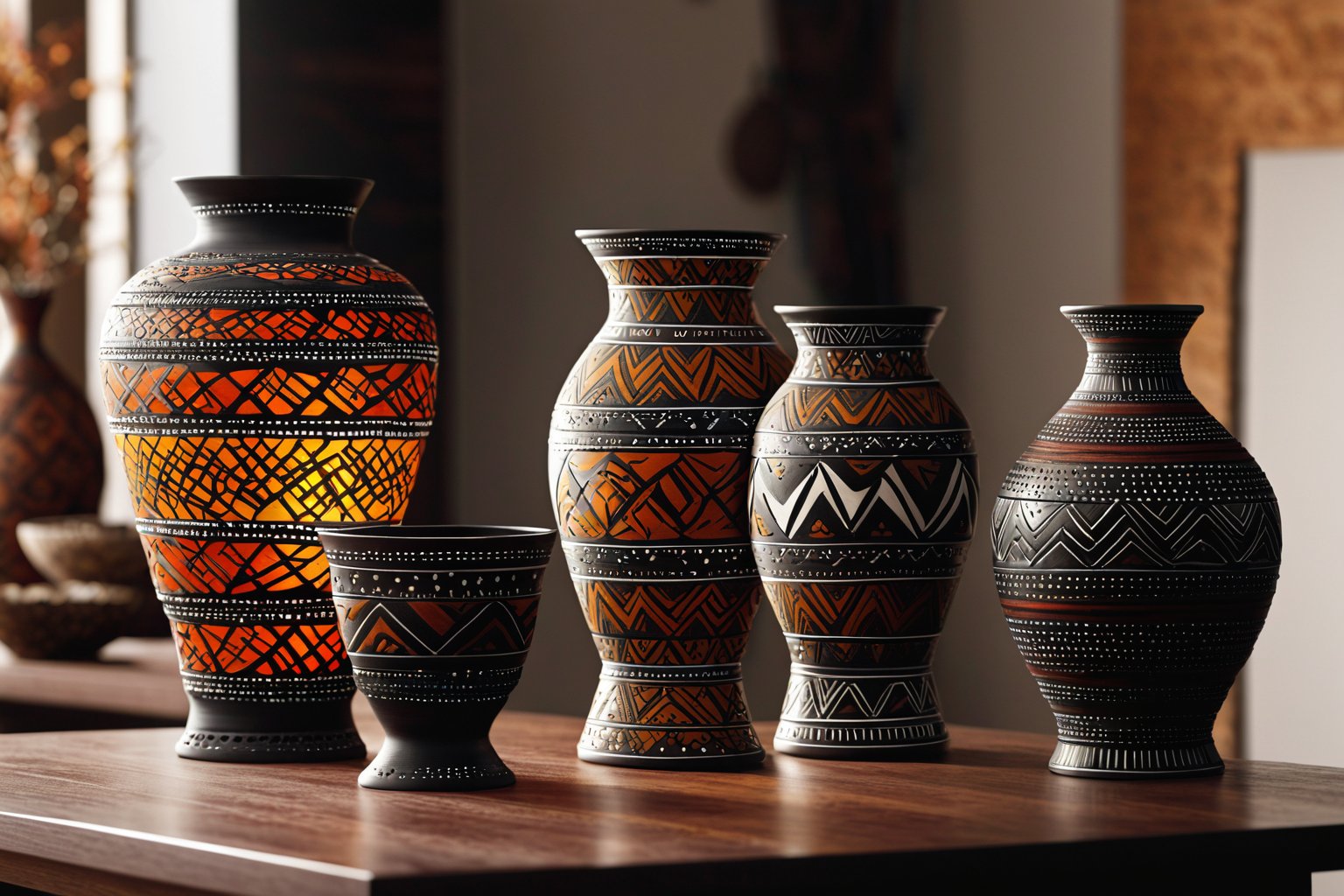
Incorporating African crafts into your home décor is a wonderful method to infuse your home with authenticity, warmth, and cultural depth. Regardless of whether your aesthetic is contemporary, bohemian, or rustic, there are adaptable home décor concepts that highlight the appeal of ethnic art pieces, ensuring your home is distinctively welcoming. Below are various suggestions to incorporate African crafts across different rooms and styles for a genuine ethno appearance.
In the lounge, begin by showcasing artisan wooden masks or sculptures from diverse African tribes. These create striking focal points on walls or shelves, showcasing the detailed craftsmanship and cultural storytelling of Africa. Complement them with woven baskets or raffia bowls to introduce texture and natural elements. Cushions and throws influenced by traditional African textiles, like kente or mud cloth patterns, enrich the seating area with lively hues and significant designs.
The dining space serves as a fantastic opportunity to highlight African artistry. Think about incorporating hand-painted ceramic plates, bowls, and serving platters that function as both practical and ornamental elements. These ethnic art pieces provide a charming blend of rustic and refined aesthetics to your table arrangement. Add a captivating beaded or wooden centrepiece to the dining table, or utilise handwoven placemats and coasters to enhance the cultural link and infuse a handcrafted essence into everyday dining experiences.
In bedrooms, consider African fabric wall hangings or framed textile panels to establish a cosy and welcoming ambience. Add bedside lamps featuring carved bases or shades crafted from natural materials such as sisal or banana leaf. Handcrafted wooden chests or stools can serve as both storage solutions and decorative items that highlight African artistry. Delicate touches like small beaded boxes or intricately carved wooden picture frames infuse the room with a sophisticated ethnic appeal without cluttering the space.
Smaller African craft items enhance bathrooms and entryways by establishing the mood for your ethno-inspired décor. Items such as hand-carved soap dishes, woven baskets for towels, or a striking African print shower curtain can elevate these spaces. In the entryway, a carved wooden stool or an oversized decorative mask can greet visitors with a lively cultural expression. Pairing these elements with neutral or earthy shades allows the craftsmanship to stand out while ensuring harmony.
Regardless of the room or design, adding African crafts to your home décor not only honours the continent’s artistic legacy but also enhances your living space with significant, artisanal narratives. The secret to realising a genuine ethnic aesthetic lies in thoughtfully integrating these cultural art pieces, respecting their origins while crafting a cohesive and stylish atmosphere.
African Textiles and Fabrics
African textiles are celebrated for their vivid hues, elaborate designs, and cultural importance. Some of the most well-known varieties include kente cloth from Ghana, famous for its striking geometric patterns; mud cloth (bogolanfini) from Mali, distinguished by its natural tones and meaningful symbols; and wax prints, characterised by bold, colourful designs commonly found throughout West Africa. These ornamental fabrics provide limitless opportunities to add ethnic allure to your living space.
Incorporating African textiles into cushions is a stunning method to introduce vibrant hues and cultural depth to any space. Cushions fashioned from these materials can immediately enhance sofas, armchairs, or beds with their distinctive textures and narratives. Throws made from lighter fabrics such as kente or gentler wax prints add both warmth and flair when casually placed over furniture. For upholstery, robust fabrics like mud cloth offer both resilience and authenticity, transforming chairs or ottomans into eye-catching focal points.
Thoughtfully integrating these textiles not only showcases African artistry but also fosters a warm and welcoming environment. Whether you choose to blend various patterns or concentrate on one type of fabric, decorative textiles and ethnic cushions influenced by African heritage bring richness and character to your ethno-inspired home décor.
Handcrafted African Pottery and Ceramics
African pottery and handmade ceramics act as stunning statement décor items that infuse a distinctive sense of culture and creativity into any residence. Every item is carefully created by talented artisans employing age-old methods handed down over generations, rendering these ceramics not just practical art but also a homage to heritage. Whether showcased as ornamental vases or utilised for daily needs, African pottery represents both elegance and practicality.
Decorative vases made from African pottery frequently showcase elaborate designs and natural earthy hues that harmonise with various interior aesthetics, ranging from rustic to modern. Their textured surfaces and organic shapes introduce depth and interest to living areas, establishing focal points that encourage dialogue. Additionally, these artisan ceramics can function as adaptable accents—ideal for displaying flowers, embellishing shelves, or merely existing as standalone sculptural pieces.
Integrating African pottery into your home décor creates a bond with the vibrant cultural stories of various African communities. These artisanal ceramics hold deep symbolic significance and narratives, transforming them into valuable elements that transcend mere visual appeal. By choosing African pottery for your décor, you celebrate the importance of handcrafted artistry and contribute to the safeguarding of traditional craft methods in today’s world.
African Wood Carvings and Sculptures
African wood carvings and wooden sculptures are admired globally for their elaborate designs and deep cultural importance. These ethnic artworks serve a purpose beyond mere decoration; they narrate stories, encapsulate traditions, and link modern environments to the vibrant heritage of Africa. Among the most sought-after carvings are the Makonde sculptures from East Africa, famed for their intricate human forms and symbolic interpretations that represent communal life and ancestral spirits.
The Yoruba carvings from Nigeria are equally enchanting, frequently illustrating deities, animals, and mythical beings, which enrich the atmosphere of a space with their impressive presence and spiritual significance. These artistic works not only offer visual allure but also imbue interiors with a sense of heritage and character. Wooden sculptures from tribes like the Baule and Dogon further highlight the variety of African artistry, merging striking shapes and polished surfaces that mesmerise viewers.
Integrating African carvings into home décor enhances both the visual appeal and cultural understanding. These wooden artworks act as striking centrepieces that encourage dialogue and admiration. Whether positioned on a mantle, shelf, or pedestal, they contribute texture, warmth, and a genuine ethnic art element that uplifts any space, making them essential in ethnically inspired interior design.
Tips for Styling and Maintaining African Ethno Décor
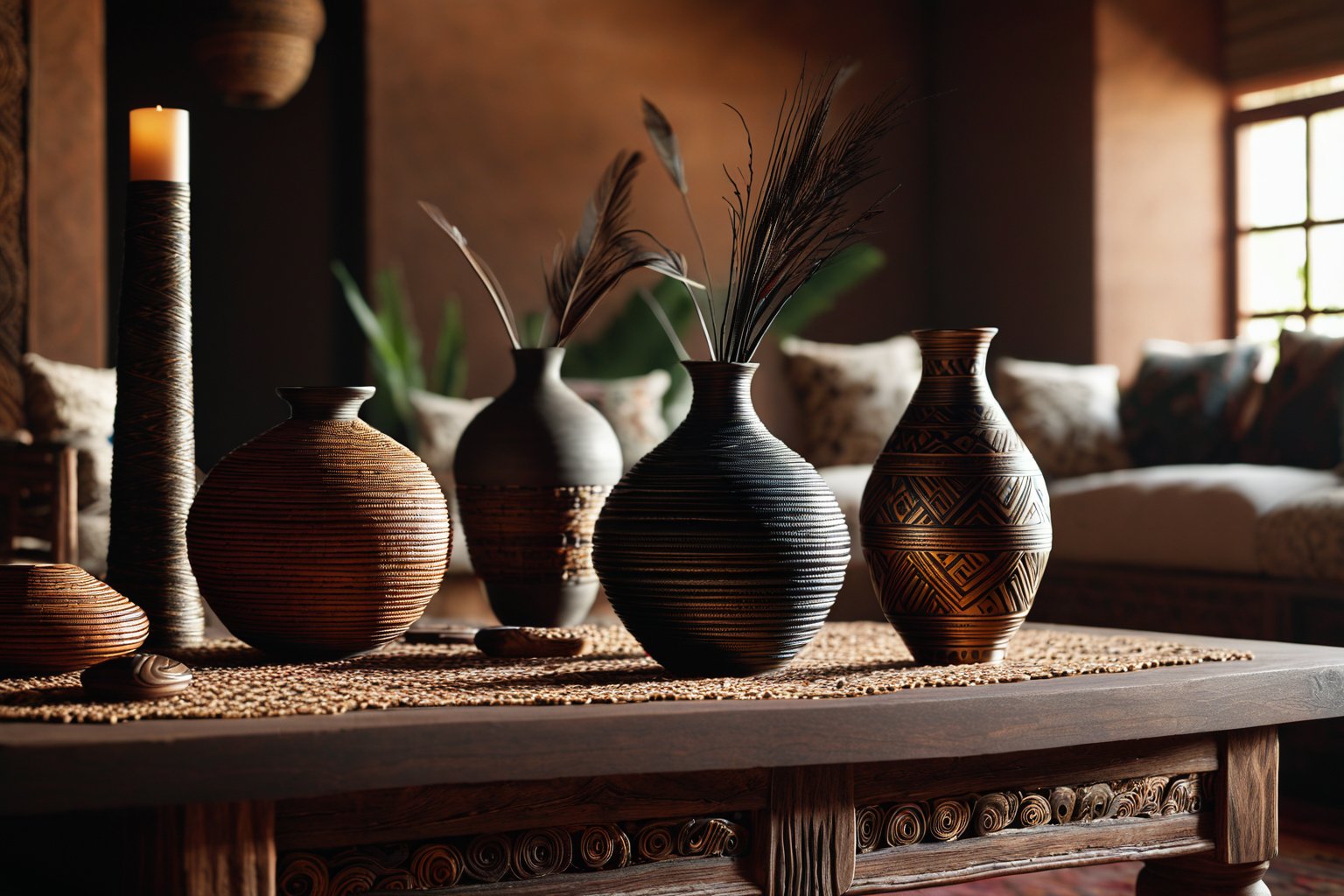
Incorporating ethno-inspired African crafts into your home demands a considerate strategy to showcase their distinct cultural significance. Begin by choosing a central feature, like a vivid woven basket or a finely sculpted wooden mask, to capture attention and serve as the centrepiece of your area. Harmonise striking patterns with subtle backgrounds to allow the crafts to stand out without dominating the space. Combining different textures—such as a plush mud cloth cushion alongside a rugged wooden stool—adds richness and intrigue to your décor.
When organising your African décor, think about clustering items by theme or origin to create a unified narrative. Arrange pieces at different heights with the help of shelves, stands, or wall mounts to introduce visual interest. Include natural elements like plants or stoneware to harmonise with the earthy hues typically seen in African crafts. Lighting is essential; gentle, warm illumination highlights the textures and colours, enriching the overall atmosphere.
To maintain your decor, consistent care helps preserve the beauty of your African crafts over the years. Gently dust the items using a soft, dry cloth to prevent scratching surfaces or harming delicate materials. Steer clear of direct sunlight to avoid fading, particularly for textiles and painted pieces. Numerous African crafts are made from natural materials such as wood, leather, and fibres, which require occasional conditioning with suitable oils or protectants to remain supple and free from cracks.
When undertaking cleaning, opt for gentle, non-abrasive solutions if necessary, and always test them on a discreet, concealed area to prevent any potential damage. Keep delicate items in a consistent environment with regulated humidity to avert deterioration. For woven and fabric pieces, changing their display position from time to time can help reduce uneven wear. Furthermore, handling crafts with clean hands or gloves safeguards them from oils and grime.
Utilising these styling suggestions and upkeep techniques allows you to maintain the genuine character and allure of your African décor. Consistent attention not only prolongs the life of these exquisite creations but also honours the vibrant cultural legacy they embody, transforming your home into a welcoming environment brimming with significant artistry.
Combining African Crafts with Modern Elements
Combining African crafts with contemporary decor offers a thrilling approach to fashioning a chic and cohesive living environment. The essential aspect is a considerate fusion of styles that honours both the detailed craftsmanship of classic African items and the streamlined aesthetics of modern design. Begin by choosing a neutral colour scheme for your walls and larger furniture, which enables African crafts to emerge as prominent features. Introduce handmade elements such as woven baskets, intricately carved wooden masks, or striking textile designs as accent pieces to enhance cultural depth and texture.
To incorporate African crafts effortlessly, harmonise striking elements with understated accessories. For instance, couple a lively African print cushion with a contemporary sofa in soft hues. This juxtaposition highlights the allure of the craft while maintaining a serene atmosphere. Blending materials such as natural wood, leather, and metal further enhances a unified appearance by merging organic textures with modern finishes.
Lighting is crucial for displaying African crafts in contemporary interiors. Employ spotlights or pendant lights to draw attention to artwork or sculptures, amplifying their aesthetic charm. Furthermore, think about incorporating functional items like artisanal stools or side tables that embody African design yet cater to modern requirements. In the end, effective style fusion depends on achieving harmony—respecting the traditions of African crafts while adopting the simplicity and practicality of modern decor for a cohesive space.
Cleaning and Preserving African Crafts
Maintaining the beauty and durability of African crafts relies on proper preservation techniques. These distinctive items often need careful cleaning methods to prevent harm while keeping their colours bright. To clean African crafts effectively, begin by gently dusting them with a dry, non-abrasive cloth or a soft brush. This approach eliminates surface dust without scratching or degrading fragile materials.
If a more thorough clean is required, utilise a slightly moist cloth with water, steering clear of strong chemicals or abrasive cleaners that may harm natural fibres, dyes, or finishes. For wooden items, a gentle application of natural oils such as linseed or teak oil can aid in maintaining the wood and preventing splits. Always test any cleaning technique on a discreet, inconspicuous area first to confirm it won’t harm the item.
Maintaining African crafts requires careful storage and handling. Ensure they are kept out of direct sunlight, extreme temperatures, and high humidity, as such conditions may lead to fading, warping, or mould. Frequently check your crafts for any signs of wear or damage and resolve any problems quickly to avoid further decline. Adhering to these cleaning recommendations and craft upkeep methods will enable you to appreciate your African crafts for many years ahead.

I’m fascinated by the vibrant intersection of contemporary fashion and traditional African craftsmanship. I spend my free time exploring markets, learning about textile techniques, and sharing the stories behind each piece with our readers.