
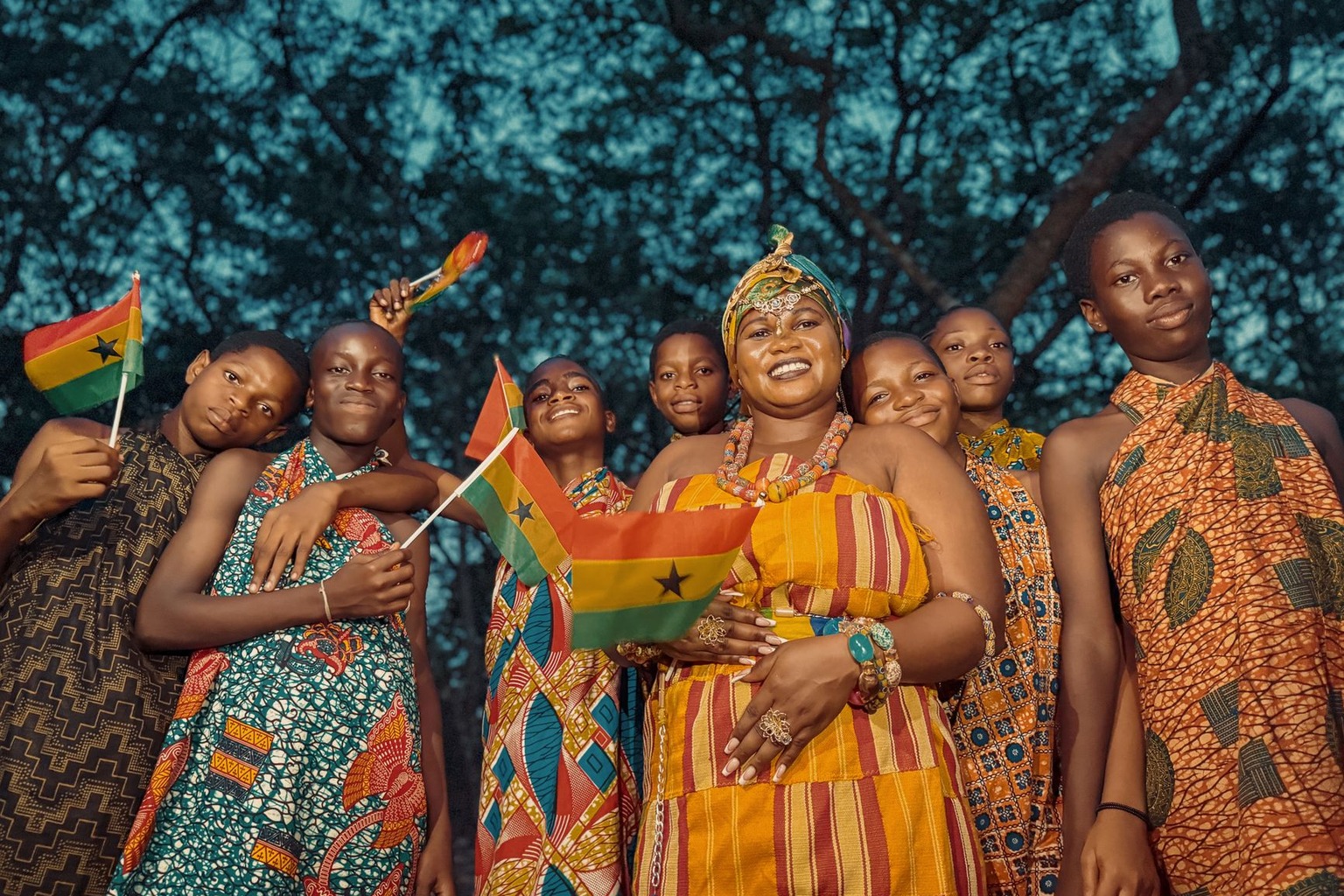
The vibrant legacy of Ghana textiles has long been a cornerstone of the global ethnically inspired fashion scene, where each thread tells a story of cultural resilience and craftsmanship. From the bustling markets of Accra to the runways of Paris and New York, these fabrics have transcended their West African origins to become a staple in contemporary collections, celebrated for their bold patterns and deep historical roots. The compelling aspect of Ghana textiles lies in their seamless fusion of traditional techniques with contemporary styles, acting as a bridge between heritage and modern fashion.
The Artisan Roots of Ghana Textiles
The origins of Ghana textiles lie in the hands of master weavers, dyers, and tailors who have perfected their craft over generations. In regions like Kenteweaving hubs in Kumasi, artisans use handlooms to create intricate patterns that symbolise social status, achievements, and cultural identity. The process begins with natural fibres like cotton and silk, which are dyed using indigo, ochre, and other plant-based pigments, resulting in earthy yet striking hues. This meticulous handwork ensures that each piece carries a unique character, reflecting the skill and patience of its maker. Without these artisans, the global appeal of Ghana textiles would lack the authenticity that makes them so coveted.
The cultural significance of these textiles extends beyond aesthetics; they are often worn during ceremonies such as weddings, funerals, and festivals, serving as a visual language of Ghanaian heritage. For example, the Kente cloth, a masterpiece of strip weaving, is so revered that it is traditionally reserved for royalty and special occasions. The deep connection to tradition is what makes Ghana textiles timeless and unique, setting them apart from mass-produced fabrics.
How Global Designers Are Redefining Ghana Textiles
In recent years, Ghana textiles have found a second life on international runways, thanks to designers who recognise their potential to elevate contemporary fashion. Brands like Stella McCartney and Marine Serre have incorporated Ghanaian prints into their collections, pairing them with minimalist silhouettes to create a fusion of African heritage and modern elegance. This crossover appeal has not only expanded the reach of Ghana textiles but also introduced them to a broader audience that values sustainability and cultural storytelling.
The appeal lies in how these fabrics adapt to different styles, whether draped over a sleek evening gown or stitched into a structured blazer. For instance, the vibrant Adinkra symbols, traditionally used in Kente, now appear on accessories and ready-to-wear pieces, proving their versatility. This creative reinterpretation ensures that Ghana textiles remain relevant in fast-evolving fashion trends while staying true to their roots.
The Role of Sustainable Practices in Ghana Textiles
One of the most compelling aspects of Ghana textiles is their commitment to sustainability, a quality that resonates with today’s conscious consumers. Unlike fast fashion, which often relies on synthetic materials and exploitative labour practices, Ghanaian textile production emphasises handcrafted techniques and eco-friendly dyes. The use of natural fibres and plant-based pigments reduces environmental impact, making these fabrics a preferable choice for those prioritising ethical consumption.
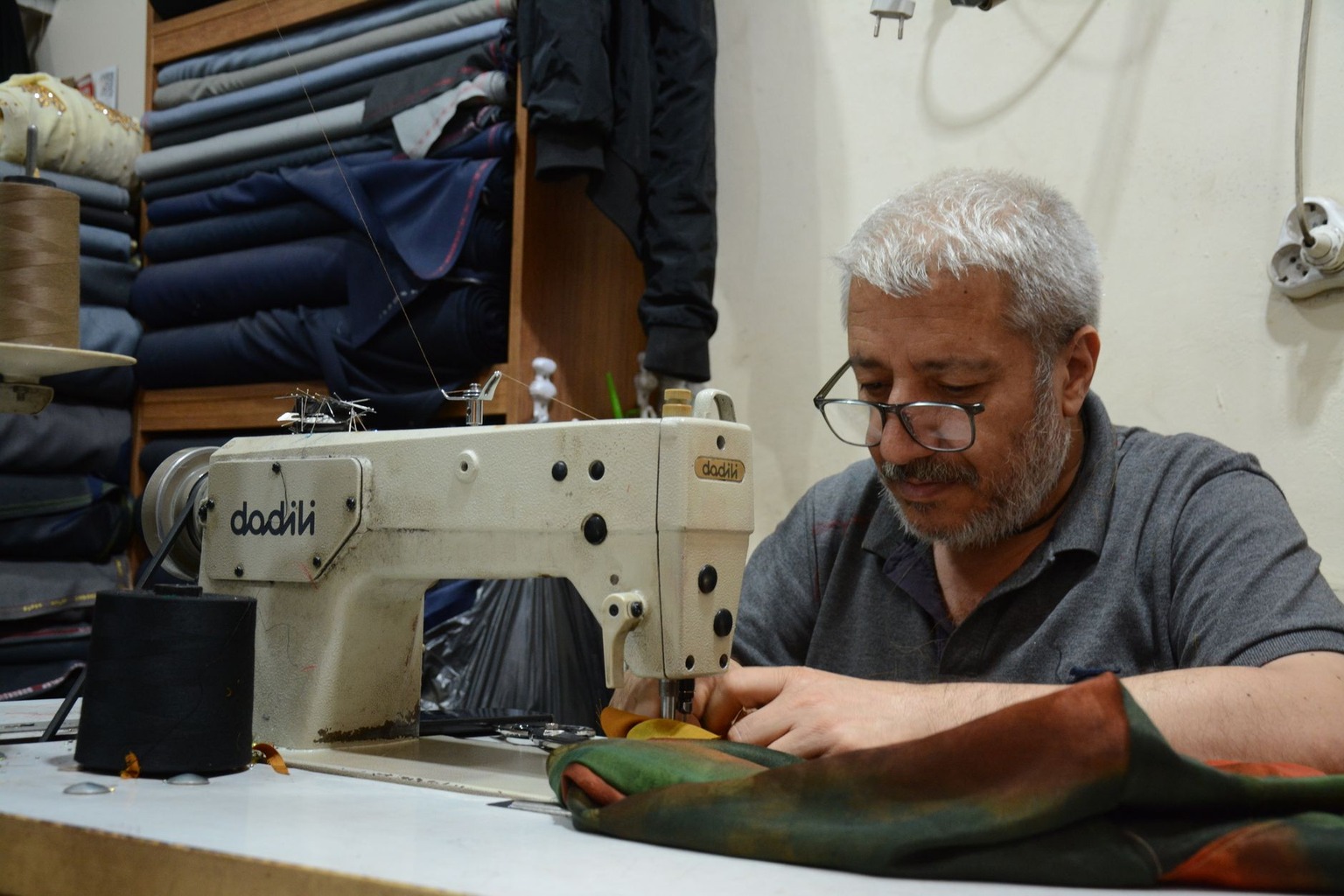
Additionally, initiatives like the circular denim economy in Ghana, where discarded jeans are repurposed into new textiles, highlight the country’s innovative approach to waste reduction. This practice not only preserves traditional craftsmanship but also aligns with global sustainability goals. By embracing these methods, Ghana textiles stand out as a responsible alternative in an industry often criticised for its environmental footprint.
The Cultural Symbolism Behind Ghanaian Patterns
Every pattern in Ghana textiles carries deep symbolic meaning, making them more than just decorative elements, they are cultural narratives woven into fabric. For example, the Adinkra symbols, such as the Gye Nyame (“Only God can do it”), convey spiritual and moral messages, while the Kente’s geometric designs represent unity and prosperity. These motifs are not arbitrary; they are carefully chosen to reflect the wearer’s identity and the occasion at hand.
When designers incorporate these symbols into modern pieces, they invite viewers to engage with Ghanaian philosophy through fashion. A dress adorned with Adinkra patterns, for instance, becomes a conversation starter, offering a glimpse into the cultural values behind its creation. This layer of meaning is what makes Ghana textiles so much more than just clothing, it’s a wearable form of storytelling.
Market Trends: Why Ghana Textiles Are Gaining Global Popularity
The rise of Ghana textiles on the global stage can be attributed to several key trends, including the growing demand for unique, handcrafted goods and the influence of social media. Platforms like Instagram and Pinterest have amplified the visibility of Ghanaian fabrics, with influencers and fashion bloggers showcasing their versatility in everyday wear. This digital exposure has helped break down geographical barriers, making these textiles accessible to a worldwide audience.
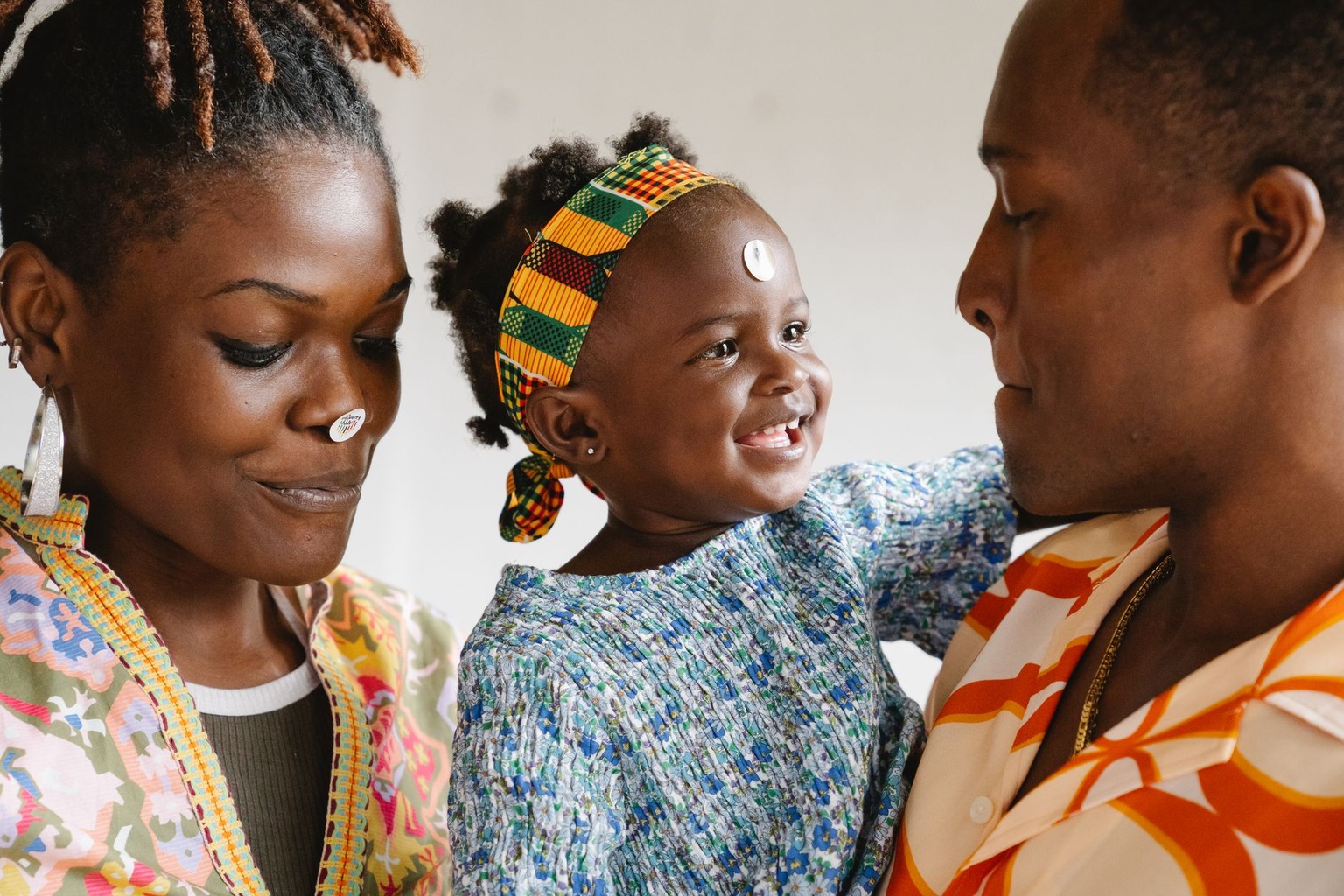
One key trend is the growing recognition of African fashion on international runways, showcasing its global appeal. Events like the Lagos Fashion Week and the Africa Fashion Week in Paris have put Ghanaian designers in the spotlight, further cementing the country’s reputation as a hub for innovative textile artistry. With more brands embracing authentic African elements, Ghana textiles are becoming a key component in global fashion trends.
The Challenges and Future of Ghana Textiles
Despite their global appeal, Ghana textiles face challenges that threaten their sustainability, particularly in the face of industrialisation and fast fashion. The rise of cheaper, mass-produced alternatives can sometimes overshadow handcrafted fabrics, making it difficult for artisans to compete economically. However, efforts to promote fair trade and ethical sourcing are helping to preserve these traditions while ensuring fair compensation for the people who create them.
Looking ahead, the future of Ghana textiles lies in balancing tradition with innovation. By continuing to refine their techniques while adapting to modern tastes, Ghanaian artisans can maintain their relevance in an ever-changing industry. Collaborations with international designers, sustainable production methods, and greater global exposure will be key to ensuring that these fabrics remain a vibrant part of the fashion landscape for generations to come.

I’m fascinated by the vibrant intersection of contemporary fashion and traditional African craftsmanship. I spend my free time exploring markets, learning about textile techniques, and sharing the stories behind each piece with our readers.