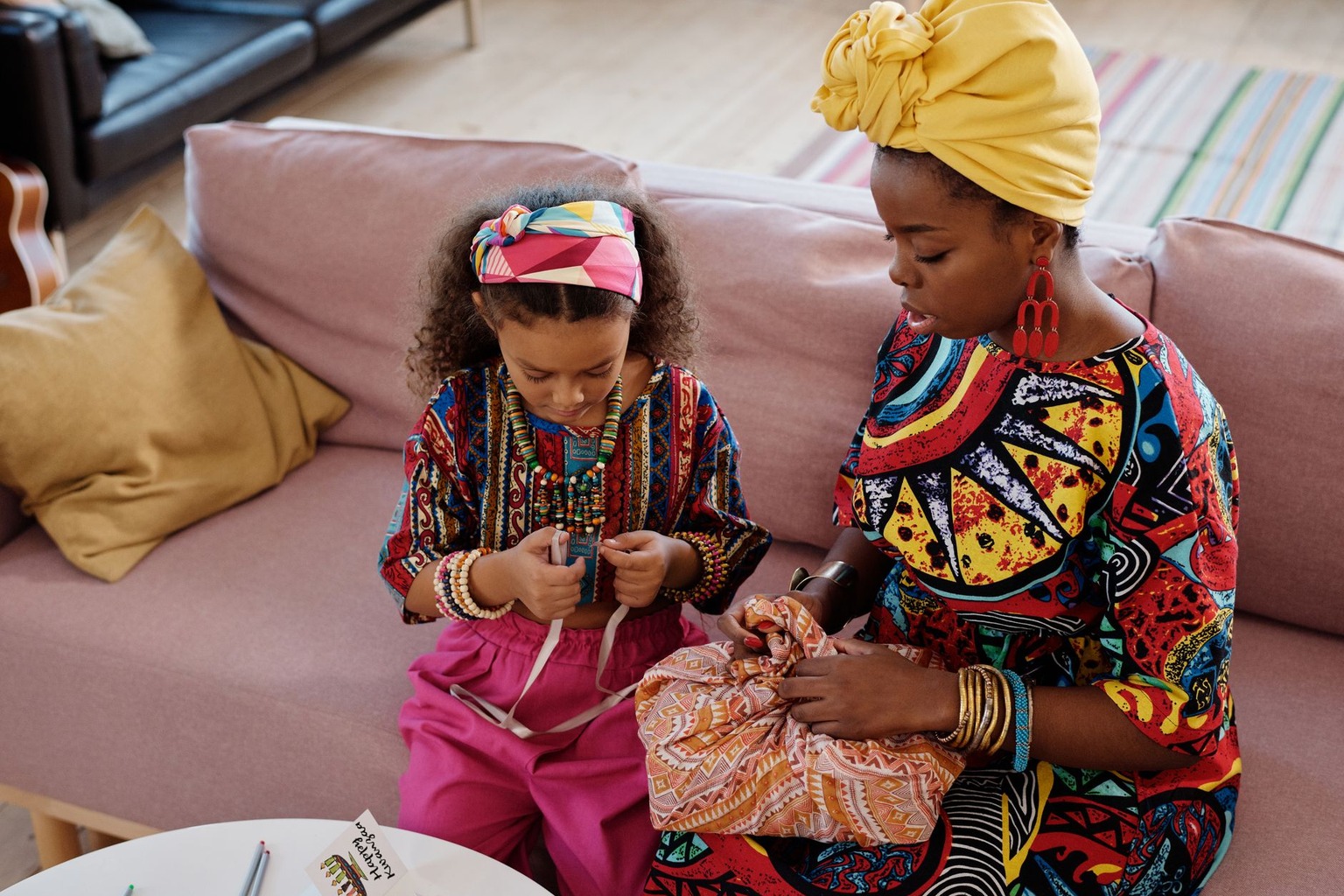
The ankara head wrap is more than just a piece of fabric, it’s a statement of cultural heritage, versatility, and effortless style, especially when adapted for special occasions. Whether you’re attending a wedding, a festival, or a cultural celebration, the way you drape this vibrant print can transform your look from casual to extraordinary. For those who appreciate the artistry of African textiles and the boldness of Ankara patterns, mastering the different variations isn’t just about aesthetics; it’s about honouring tradition while making a personal mark. From the classic turban to the modern headband, each technique carries its own energy, and choosing the right one depends on the event’s vibe, your comfort, and how much drama you’re after.
How Fabric Choice Alters the Event’s Vibe
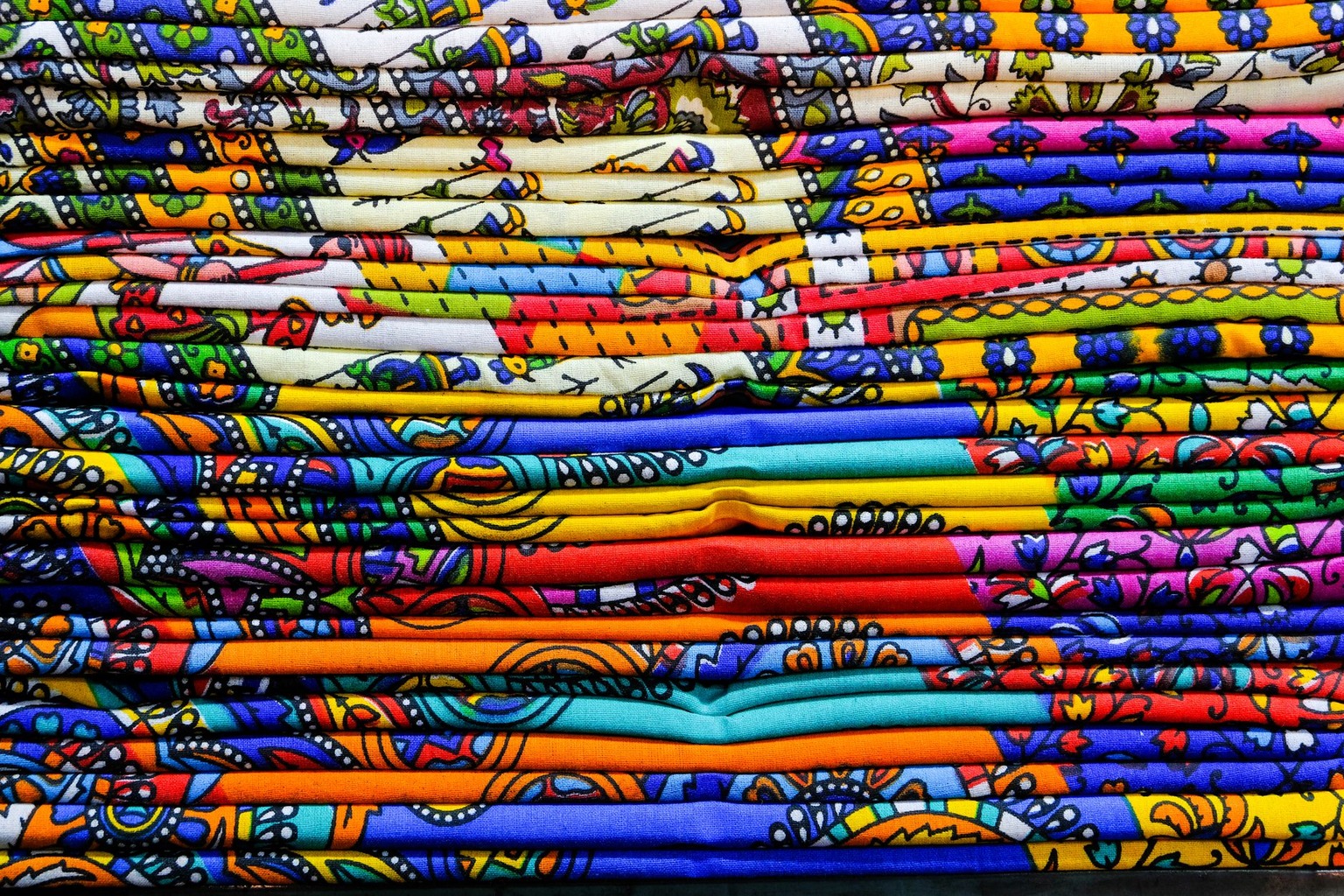
The first decision in styling an ankara head wrap for an event is selecting the right fabric, because the texture, weight, and pattern density all influence how the wrap interacts with your hair and the occasion’s atmosphere. For a wedding or formal gathering, opt for a lighter, breathable Ankara with a subtle geometric or floral print; these fabrics glide effortlessly over curls or braids, creating a polished yet relaxed silhouette. Heavier, more structured Ankara with bold stripes or large motifs, however, suit cultural festivals or street-style events where you want to command attention. The key is balance: too stiff a fabric can restrict movement during dances, while something too sheer might not hold its shape under windy conditions. Even the colour plays a role, deep jewel tones like emerald or sapphire feel regal for evening events, while bright oranges and yellows inject energy for daytime celebrations. Always test the drape before the event; a fabric that looks stunning on the hanger might behave unpredictably when wrapped around your head.
Another dimension to consider is the fabric’s origin and ethical sourcing, particularly when attending events with a strong cultural or activist focus. Many Ankara fabrics today are produced in Ghana or Nigeria, where the industry supports local artisans and traditional printing techniques. For events tied to African diaspora communities or solidarity causes, prioritising fabrics from these regions not only enhances authenticity but also sends a message of support. Conversely, if the event leans towards a more contemporary fusion style, you might blend Ankara with other textiles, like silk or chiffon, for a hybrid look that feels fresh yet rooted. The fabric’s story becomes part of your outfit’s narrative, so align it with the event’s purpose. For instance, a handwoven Ankara with natural dyeing techniques would pair beautifully with a sustainable fashion event, while a mass-produced Ankara with bold, modern prints might suit a fashion-forward gala.
Length Matters: Short vs Long Wraps for Different Occasions
The length of your ankara head wrap dictates not just how it falls but also how much effort you’re willing to invest in styling it. A shorter wrap (around 1.5 to 2 metres) is ideal for quick, no-fuss looks, think weddings or daytime events where you want to keep things simple yet chic. These wraps are perfect for creating sleek headbands or half-wraps that leave your neck and shoulders exposed, perfect for warmer climates or events with a boho-chic aesthetic. They’re also easier to adjust on the go, which is a lifesaver if you’re attending a multi-day festival where you’ll be dancing, walking, and reapplying makeup. Longer wraps (2.5 to 3 metres or more) offer far more versatility, allowing for intricate twists, layered drapes, and even full turban styles that make a dramatic statement. For evening events or cultural ceremonies where grandeur is appreciated, a long wrap lets you experiment with volume and texture, imagine a high, wrapped crown or a cascading wrap that trails behind you as you walk. The trade-off is that longer wraps require more time to style, so practice beforehand to avoid last-minute stress.
Length also affects how the wrap interacts with your hair. If you have long, thick hair, a shorter wrap might not provide enough coverage or structure, while a longer one can be wrapped multiple times for a secure, elegant hold. For shorter hair or styles like braids, a medium-length wrap (around 2 metres) strikes a balance, long enough to create depth but short enough to avoid tangling. Consider the event’s movement as well: at a wedding reception with slow dances, a longer wrap can be draped dramatically over your shoulders or tied into a bow, while at a festival with constant dancing, a shorter wrap prevents it from getting in your way. Even the way you carry the wrap matters; a longer one can be draped over your arm like a shawl, adding an extra layer of elegance, whereas a shorter wrap can be tucked neatly into your bag or worn as a headband for a minimalist touch.
The Role of Hair Type in Wrap Selection
Your hair type is one of the most critical factors in determining which ankara head wrap variations will work best for an event, yet it’s often overlooked in favour of pattern preferences. For natural hair, whether kinky, curly, or coily, the key is choosing a wrap that won’t stretch or pull when styled. Ankara fabrics with a slight stretch (like those blended with elastane) can cling to hair, creating an uneven drape, while stiffer fabrics hold their shape better, allowing for cleaner lines and sharper folds. If you wear your hair in braids or twists, opt for a wrap with a smooth, non-pill surface to avoid snagging; the ankara head wrap’s natural sheen will reflect light beautifully against your hair’s texture. For straight or fine hair, a slightly textured Ankara (like one with a subtle matte finish) adds grip without being too harsh, preventing the wrap from slipping mid-event. Always consider the humidity of the venue too, high moisture can make some Ankara fabrics lose their structure, so test your chosen wrap in similar conditions beforehand. A well-chosen fabric will complement your hair’s natural shape rather than fight it, ensuring your look stays intact from start to finish.
Renecreativity: FASTEST ANKARA TURBAN HEADWRAP || SCARF || HEADSCARF || TUTORIAL
Hair preparation also plays a role in how the wrap sits. For events where you’ll be wearing your hair up (like a bun or ponytail), a wrap that can be secured tightly around the base is essential. Ankara’s natural elasticity makes it easier to wrap around a high ponytail or bun without gaps, but you’ll need to adjust the tension to avoid tension on your scalp. If your hair is very thick, consider layering the wrap, folding it in half or using two smaller wraps to create a thicker, more stable base. For events where you’ll keep your hair down, like a festival or beach wedding, focus on wraps that can be tied loosely or left loose, allowing your hair to peek through strategically. The goal is to let your hair’s natural texture shine while using the wrap as an accent, not a mask. For example, a half-wrap that leaves your face and hair visible works wonderfully for a relaxed, modern look, while a full turban can frame your features for a more traditional or formal event.
Draping Techniques for Different Event Moods
The way you drape an ankara head wrap speaks volumes about the event’s mood, whether you’re aiming for understated elegance or bold celebration. For a wedding or formal affair, techniques like the half-wrap or side-wrap offer a sophisticated touch without overwhelming the outfit. The half-wrap, where the fabric is folded and tied under the chin, leaves your neck and shoulders exposed, ideal for evening wear where you might be wearing a dress or a statement blouse. The side-wrap, which starts at the temple and wraps around the head before being tucked under, creates a sleek, modern look that works well with sleek hairstyles like braids or buns. These styles are easy to adjust throughout the night and won’t interfere with accessories like earrings or hair clips. On the other hand, for festivals or cultural celebrations, techniques like the full turban or crown wrap make a dramatic statement. The full turban, wrapped tightly around the head and secured at the back, exudes confidence and is perfect for events where you want to stand out. The crown wrap, which forms a high, voluminous shape at the front, adds a regal touch and is ideal for ceremonies or events with a traditional theme.
The choice of technique also depends on the event’s pacing. At a slow, formal dinner, a wrap that’s tightly secured and smooth will hold its shape beautifully, while at a high-energy festival, you might prefer a looser drape that can be readjusted without losing its aesthetic. For example, the knot wrap, where the fabric is tied in a loose knot at the back, allows for movement and is great for dancing. Alternatively, the side-sweep wrap, which starts at the temple and sweeps across the forehead before being tucked under, adds a playful element that’s perfect for daytime events or casual gatherings. Each technique has its own rhythm, some require more tension to stay in place, while others rely on the fabric’s natural drape. Practice wrapping in front of a mirror to see how the fabric behaves with your specific hair type and the event’s movement demands. The best drapes feel effortless but intentional, as if the wrap was designed specifically for the occasion.
Accessories That Elevate the Ankara Head Wrap Look
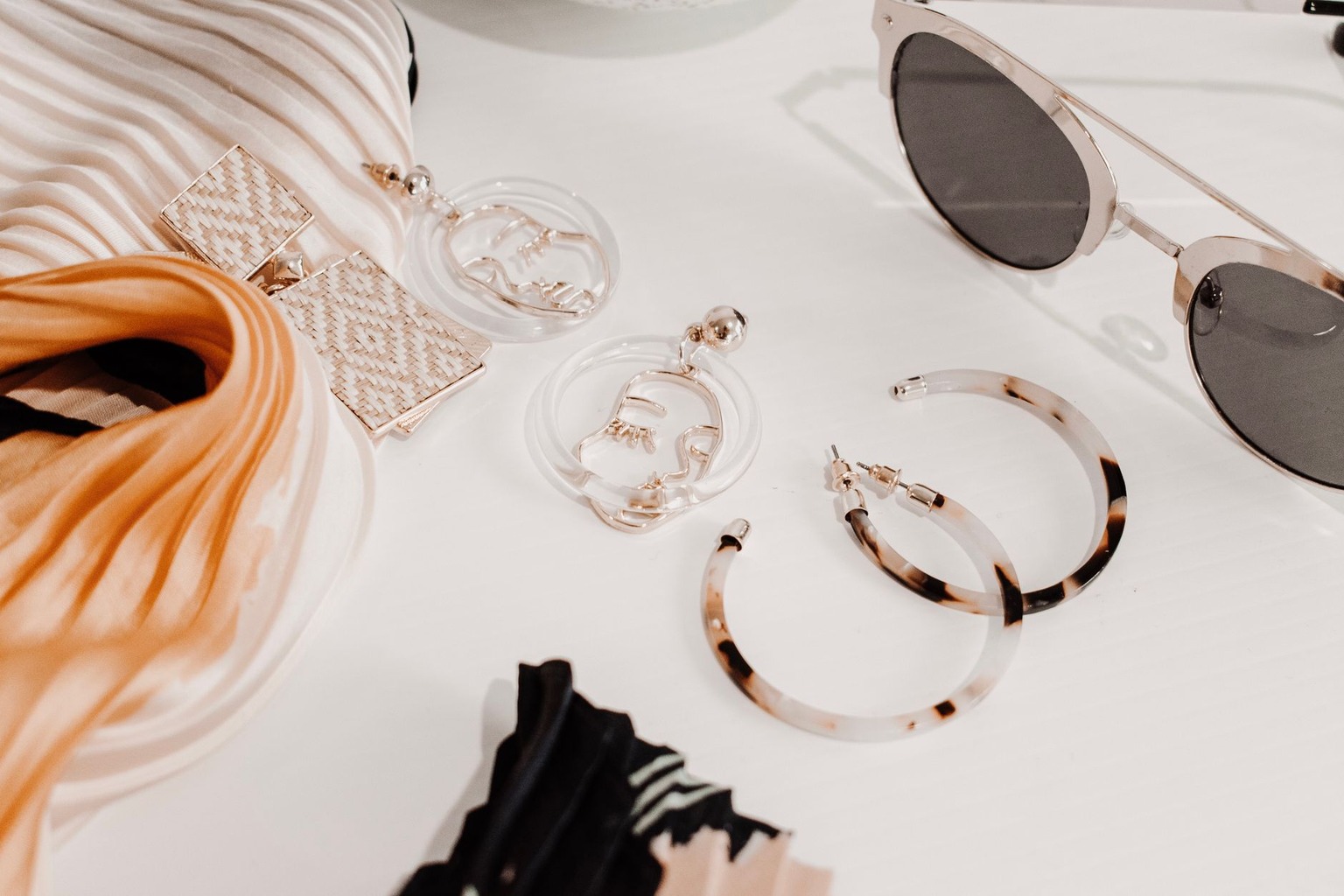
While the ankara head wrap itself is a powerhouse of style, the right accessories can take it from striking to unforgettable, especially at events where you want to make a cohesive yet personal statement. For weddings or upscale events, consider pairing your wrap with delicate gold or silver jewellery, like a thin chain necklace or small hoop earrings, to complement the Ankara’s vibrant colours without competing with them. A structured clutch or a sleek handbag in a complementary shade can also tie the look together, ensuring the wrap remains the focal point. If the event has a cultural or traditional theme, incorporate accessories inspired by the same region, think beaded hair cuffs, wooden combs, or layered necklaces with symbolic charms. These details add depth to the outfit and honour the wrap’s cultural roots. For festivals or casual events, accessories can be more playful, think oversized sunglasses, a wide-brimmed hat, or a statement belt that mirrors the Ankara’s pattern. The key is balance: let the wrap’s boldness shine while using accessories to enhance, not overpower, the overall look.
Footwear is another often-overlooked accessory that can elevate an Ankara head wrap. For weddings or formal events, strappy heels or block heels in metallic tones or soft colours will elongate your legs and keep the focus on your upper-body styling. Sandals with intricate designs, like those inspired by African sandal styles, can also add a cultural touch without clashing with the wrap’s vibrancy. At festivals or daytime events, comfortable yet stylish options like espadrilles or ankle boots work well, allowing you to move freely while still looking put-together. Even small details like a well-chosen bag, such as a crossbody bag in a neutral tone or a patterned tote that echoes the Ankara’s motifs, can pull the entire outfit together. The accessories you choose should reflect the event’s energy while allowing the wrap to remain the star. For instance, at a wedding, a minimalist approach with one statement accessory (like a bold earring) keeps the look elegant, while at a festival, a mix of textures and colours can create a dynamic, eclectic vibe.
Cultural Considerations for Event-Specific Styling
When attending events tied to African culture or diaspora communities, the way you style your ankara head wrap can carry deeper meaning, especially if the occasion has specific traditions or protocols. For example, at a Yoruba or Akan cultural ceremony, certain draping techniques or colours may hold symbolic significance, like the use of white Ankara for purity or red for celebration. Researching the event’s cultural context beforehand allows you to choose a wrap that aligns with its themes, whether it’s a specific pattern (like the Adire tie-dye Ankara favoured in Nigeria) or a particular colour scheme. Even the way you secure the wrap, such as using a traditional knot or leaving a loose end, can subtly nod to cultural practices. For interfaith or multicultural events, you might opt for a wrap that bridges different styles, like a modern Ankara with a blend of West African and European influences, ensuring your look feels inclusive without erasing its roots. The goal is to honour the event’s cultural weight while making it your own, so don’t hesitate to ask attendees or organisers for guidance on appropriate styling. A well-researched wrap not only looks intentional but also shows respect for the occasion’s heritage.
Cultural considerations also extend to how you present yourself in photographs or during performances. At events where you might be photographed or videographed, like a cultural festival or a fashion show, think about how the wrap will look in stills and motion. A wrap that’s too loose might not hold its shape in photos, while one that’s too tight could look stiff. Techniques like the crown wrap or side-wrap often photograph beautifully because they create defined shapes and shadows, making them ideal for events with a strong visual component. If the event involves performances or group activities, ensure your wrap won’t restrict movement, some techniques, like the full turban, can be bulky if not wrapped correctly, while others, like the headband, offer more freedom. Even the way you carry yourself, standing tall, smiling confidently, can enhance the wrap’s cultural impact. By considering both the practical and symbolic dimensions of your styling, you ensure the wrap not only fits the event but also contributes to its atmosphere in a meaningful way.

I’m fascinated by the vibrant intersection of contemporary fashion and traditional African craftsmanship. I spend my free time exploring markets, learning about textile techniques, and sharing the stories behind each piece with our readers.