
For those drawn to the vibrant language of African textiles, kente cloth stands as a masterclass in visual storytelling. Originating from the Akan people of Ghana, this handwoven masterpiece uses a complex language of stripes and patterns to communicate history, status, and philosophy. Each thread carries intention, and every colour choice is a deliberate act of cultural expression. Understanding the symbolic weight behind the stripes offers a deeper appreciation for the artistry involved.
Understanding the Architecture of Akan Kente
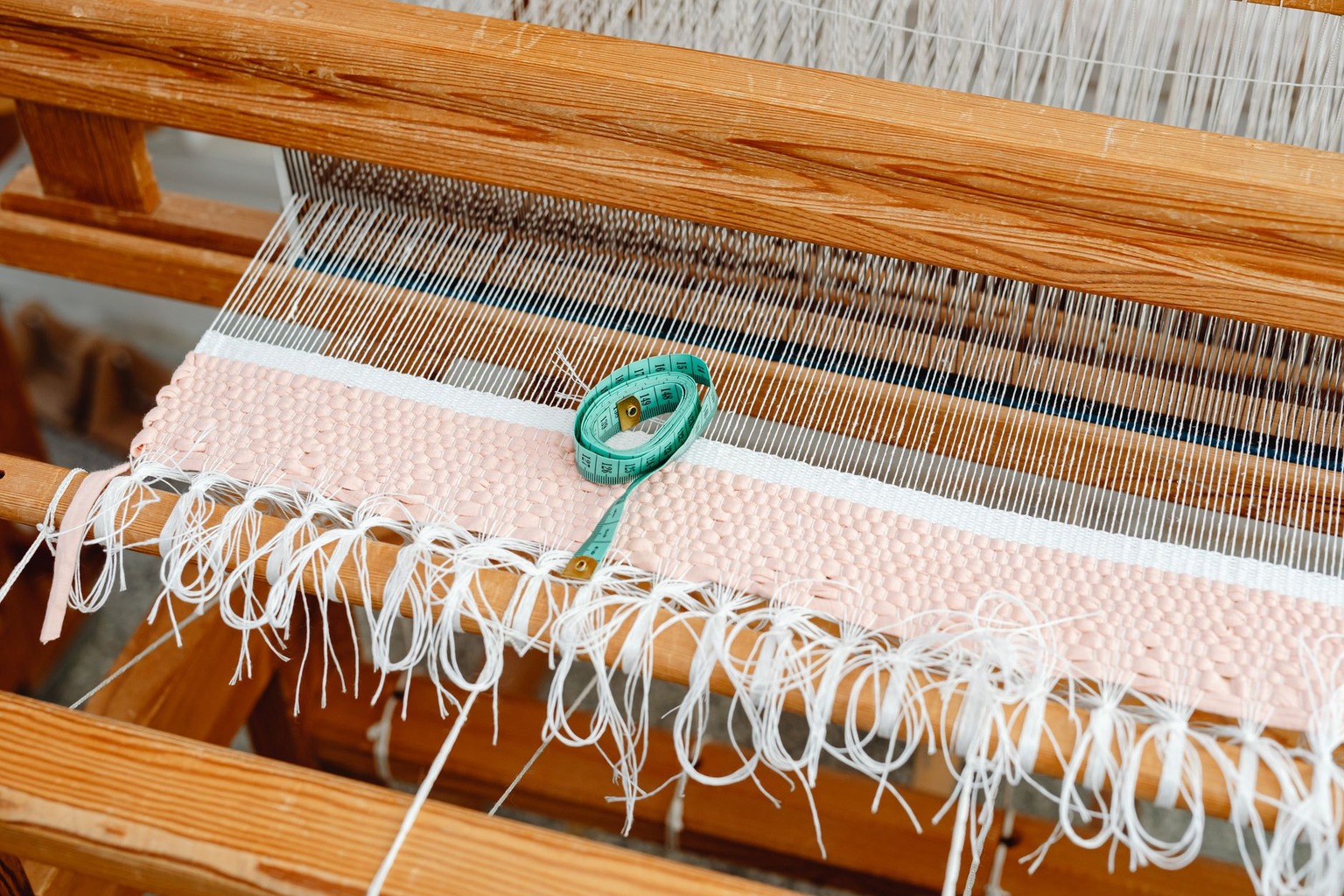
The structural foundation of Akan kente weaving lies in the loom and the skilled hands that manipulate it, kente cloth meanings. Traditional narrow-strip looms are employed, where strips of cloth are woven separately and then meticulously sewn together to form the larger rectangular fabric. This method allows for intricate stripe patterns to emerge, creating a visual rhythm that is both mathematical and meaningful. The width of each strip and the tension of the threads dictate the final appearance, making the process as much about physics as it is about aesthetics. For the practitioner, mastering the loom is the first step toward decoding the visual language embedded in the cloth.
The Language of Colour in Kente Stripes
Colour serves as the primary vocabulary in the symbolic dialect of kente. Red often signifies political and spiritual moods, as well as bloodshed and sacrificial rites. Gold represents royalty, wealth, and high status, while green conveys vegetation, harvest, and spiritual growth. Black is associated with adulthood and intensified spiritual energy. When these colours appear in specific stripe arrangements, they weave together complex narratives. A stripe of gold might signal chieftaincy, whereas a predominance of green could represent a connection to the land and ancestral farming traditions. The interplay of these hues across the fabric creates a living code that educated observers can read.
Pattern Logic and Geometric Symbolism
Beyond colour, the geometric arrangement of stripes and blocks forms a secondary layer of meaning. Patterns such as Fathia Fata Nkrumah, which features a distinctive zigzag, can represent the complexity of life’s journey or the duality of existence. Diamond shapes might symbolize wisdom and knowledge, while concentric circles can denote unity and the cyclical nature of time. The weaver’s choice of pattern is rarely arbitrary; it often responds to the intended message for the wearer. Understanding these patterns requires a familiarity with Akan proverbs and oral history, as many designs are direct visual translations of these ancestral sayings.
Regional Variations and Contemporary Adaptations
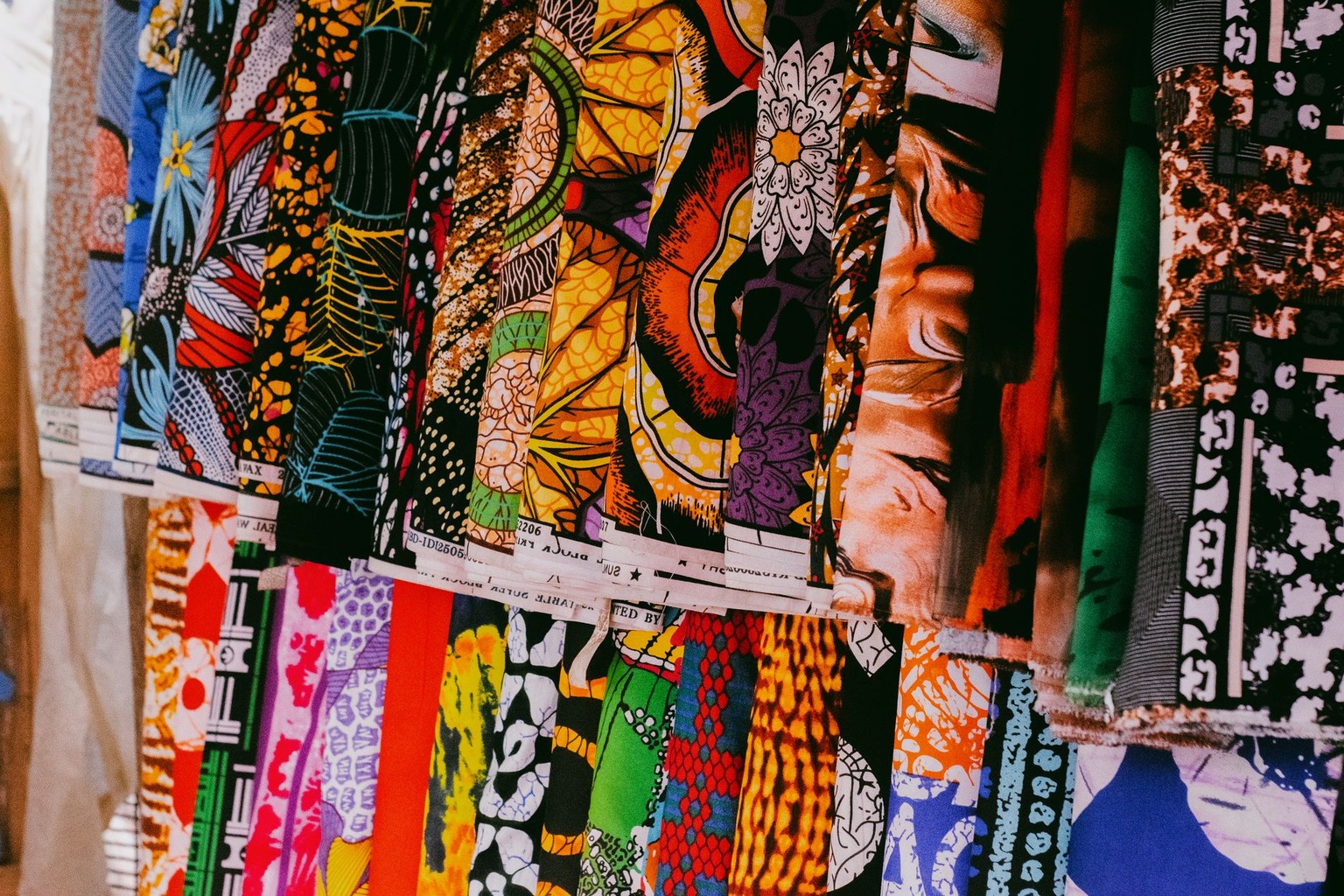
While the Akan heartland remains the primary source, kente production has spread across Ghana and beyond, leading to regional variations in stripe density and colour palettes. Some areas favour broader, more saturated stripes, while others maintain a finer, more delicate stripe count. In the contemporary fashion landscape, designers reinterpret these traditional stripe arrangements to create modern silhouettes. This fusion of old and new keeps the symbolic heritage alive while making the cloth accessible to a global audience. The adaptation process often involves scaling traditional patterns to fit modern garment shapes, ensuring the symbolic stripes retain their impact.
Decoding Specific Stripe Combinations
For the aspiring connoisseur, learning to decode specific stripe combinations is a rewarding endeavour. A common pattern might feature a central stripe of blue, symbolizing peace and harmony, flanked by strips of white, representing purity and spiritual cleansing. Another frequent combination involves alternating bands of yellow and green, which can signify the balance between material prosperity and spiritual well-being. By paying attention to the order and frequency of these stripes, one can begin to discern the intended message. This decoding process transforms the act of wearing kente from a simple fashion choice into a deliberate act of cultural communication.
Practical Care for Symbolic Garments
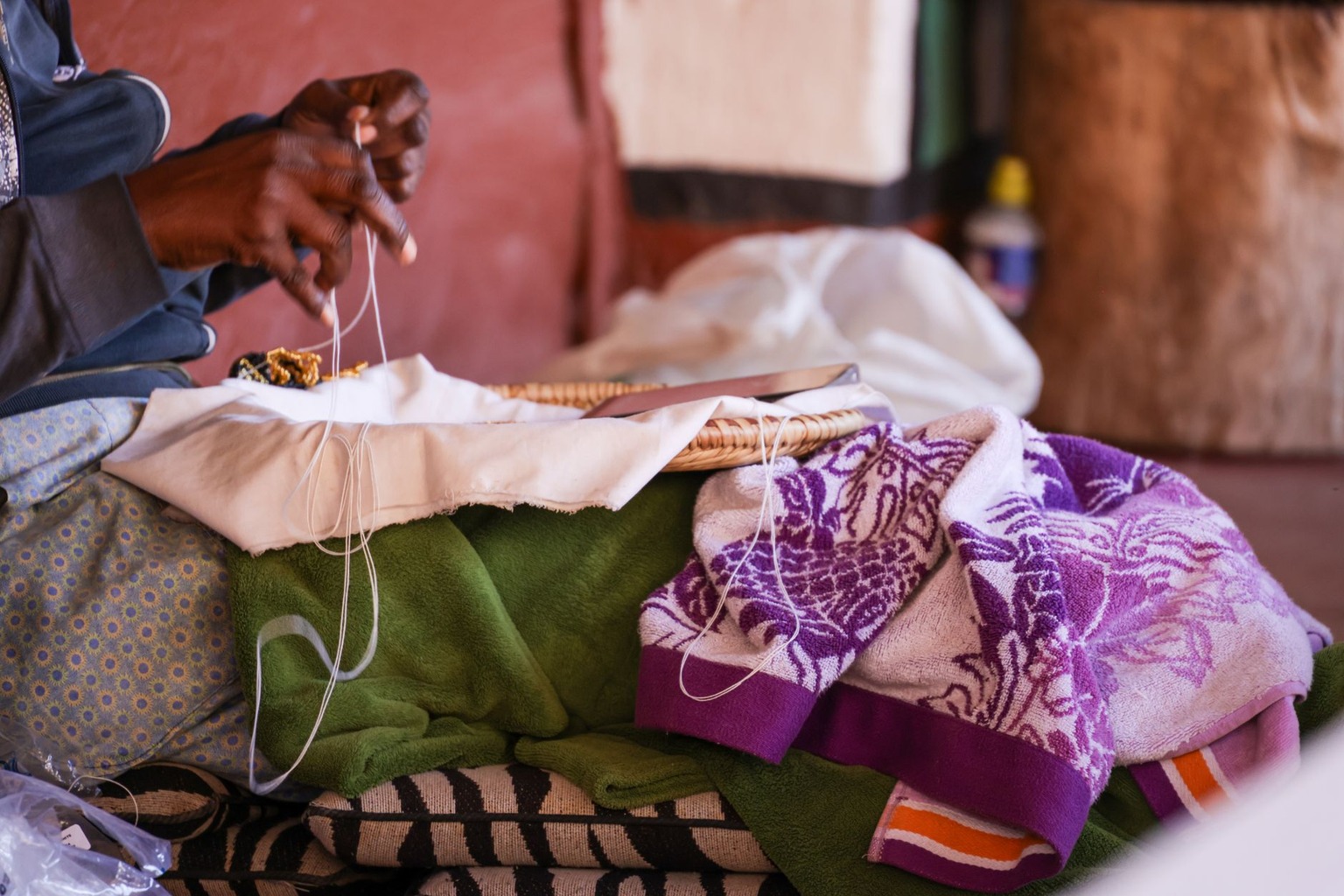
Maintaining the integrity of kente’s symbolic stripes requires specific care practices to preserve both the fabric and its meaning. Hand washing in cool water with mild detergent is recommended to prevent the colours from bleeding and dulling the symbolic intent. Avoiding prolonged exposure to direct sunlight helps maintain the vibrancy of the reds and golds that carry the heaviest symbolic weight. Proper storage, rolling the cloth rather than folding it sharply, prevents permanent creases that could distort the pattern’s readability. By treating the garment with respect, the wearer honours the craftsmanship and the deep symbolic heritage woven into every thread.

I’m fascinated by the vibrant intersection of contemporary fashion and traditional African craftsmanship. I spend my free time exploring markets, learning about textile techniques, and sharing the stories behind each piece with our readers.