

The intricate world of Sukuma basketry offers a fascinating study in form and function, deeply rooted in traditions that make it highly valued. Mastering complex coil techniques requires more than just patience; it demands an intimate understanding of how sisal fibres behave under tension. Weavers transform simple materials into vessels that carry stories, much like the iconic Maasai beadwork, rich with meaning. The process often involves soaking the fibres to a specific moisture level, ensuring they bend without snapping, a skill passed down through generations. Numbers matter here, too; the tightness of the first row dictates the stability of the entire piece, a detail often overlooked by novices. This art form stands as a vibrant intersection of utility and aesthetic expression, where every stitch carries the weight of cultural heritage. The resulting baskets are not merely containers but sculptures of practical beauty, reflecting the patience and precision of their creators.
Coil geometry and tension dynamics in sukuma weaving
The coil geometry of sukuma baskets is not merely decorative; it dictates the structural integrity and flexibility of the finished piece, sukuma basket weaving. Weavers meticulously calculate the radius of each coil, often allowing the diameter to expand slightly as the basket widens from base to rim. This incremental increase, typically measured in millimetres per turn, compensates for the natural shrinkage of organic fibres during drying. The angle at which the coil is laid down, usually between thirty and forty-five degrees relative to the horizontal plane, determines how tightly the subsequent rows lock together. A steeper angle creates a more rigid wall, while a shallower angle permits the sides to curve gently outward, a characteristic feature of traditional storage baskets. The weaver’s hand tension must remain consistent; too loose, and the coil collapses under its own weight, too tight, and the fibres snap or distort the underlying warp. Maintaining this balance requires a kinesthetic awareness that develops only after years of practice, as the fibres respond differently depending on their moisture content and age.
Tension dynamics in sukuma weaving operate on a principle of reciprocal pull between the active coil and the passive warp threads. As each new coil is stitched into place, the weaver applies a specific amount of pull to draw the fibres snugly against the preceding row. This action creates a compressive force that stabilises the structure, but it must be counterbalanced by the inherent resilience of the coil material. Experienced practitioners often describe the sensation of “finding the sweet spot” where the tension feels alive yet controlled. The choice of fibre, whether robust sisal or softer palm leaf, affects how much stretch is permissible before the weave becomes distorted. In practice, a weaver might adjust tension mid-row by slightly overlapping the coil ends, a technique that redistributes stress and prevents unsightly gaps from forming along the seam. This micro-adjustment is where the artistry truly manifests, turning a functional container into a balanced object of form and function.
Furthermore, the interaction between coil geometry and tension is most evident in the basket’s rim finishing. The final coils are often pulled tighter to create a firm, rolled edge that can withstand repeated handling. This final tightening phase requires the weaver to reverse the usual tension rhythm, applying a firmer grip to secure the last few turns before tucking in the loose ends. The resulting rim is slightly convex, a deliberate geometric choice that not only reinforces the opening but also provides a comfortable grip for the carrier. Any inconsistency in this final tension phase becomes immediately apparent, as the rim may warp or develop a wobble that compromises the basket’s usability. Mastery of these dynamics separates the novice from the master, as it is in these subtle geometric and tension choices that the enduring quality of sukuma basketry is truly encoded.
Material selection: fibre properties and seasonal availability
Choosing the right fibre is the first technical hurdle in mastering coil construction, as the tensile strength and flexibility of each plant dictate how tightly a coil can be drawn without snapping. The locally sourced Ambrosia grass, for instance, offers a remarkable degree of elasticity; its hollow stalks allow the weaver to maintain consistent tension across multiple passes, a necessity when building the upward curvature of a deep storage vessel. Conversely, the denser root fibres of the Mkombozi plant provide a rigid structural backbone, ideal for the base layer where stability outweighs pliability. Experienced hands will blend these materials, perhaps using a ratio of three parts grass to one part root, to achieve a harmonious balance between give and hold. This deliberate mixing ensures that the finished piece retains its shape over decades of use, resisting the warping that often plagues baskets made from a single fibre type.
Seasonal availability further complicates the material palette, dictating when specific plants can be harvested at their peak moisture content, which directly impacts workability. The Mnyazi reed, prized for its golden hue, must be gathered during the dry winter months; if cut during the humid summer, the internal sugars ferment, causing the fibre to become brittle and prone to cracking under the pressure of coil turning. Meanwhile, the supple young shoots of the Mkwaju vine are only viable in the early rains of April, when the stems are still tender enough to be bent around a wooden former without splitting. The Sukuma weaver’s calendar is thus intimately tied to the agricultural cycle, requiring patience and foresight to stockpile reserves for the leaner months. This rhythm ensures that the coil technique remains not only a craft of skill but a practice of ecological respect.
Pattern logic: interpreting mathematical structures in traditional motifs
The geometric patterns in Sukuma basketry showcase a deep understanding of proportion, embodying cultural identity and ancestral skills. Artisans often begin with a base of seven rods, a number chosen not arbitrarily but because it allows for balanced radial expansion before the coil is turned. Each subsequent row typically increases by two rods, creating a predictable yet flexible framework that accommodates the natural curvature of the sisal fibre. When the motif shifts to a diamond pattern, the weaver must calculate the tension of every third wrap to maintain the shape without puckering the surface. This requires a mental map of the basket’s circumference divided into eight equal segments, a division that mirrors the eight-pointed star frequently found in ceremonial pieces. The repetition of these calculations across the body of the work creates a rhythm that is both functional and symbolic, turning a simple coil into a coded language of shape and space.
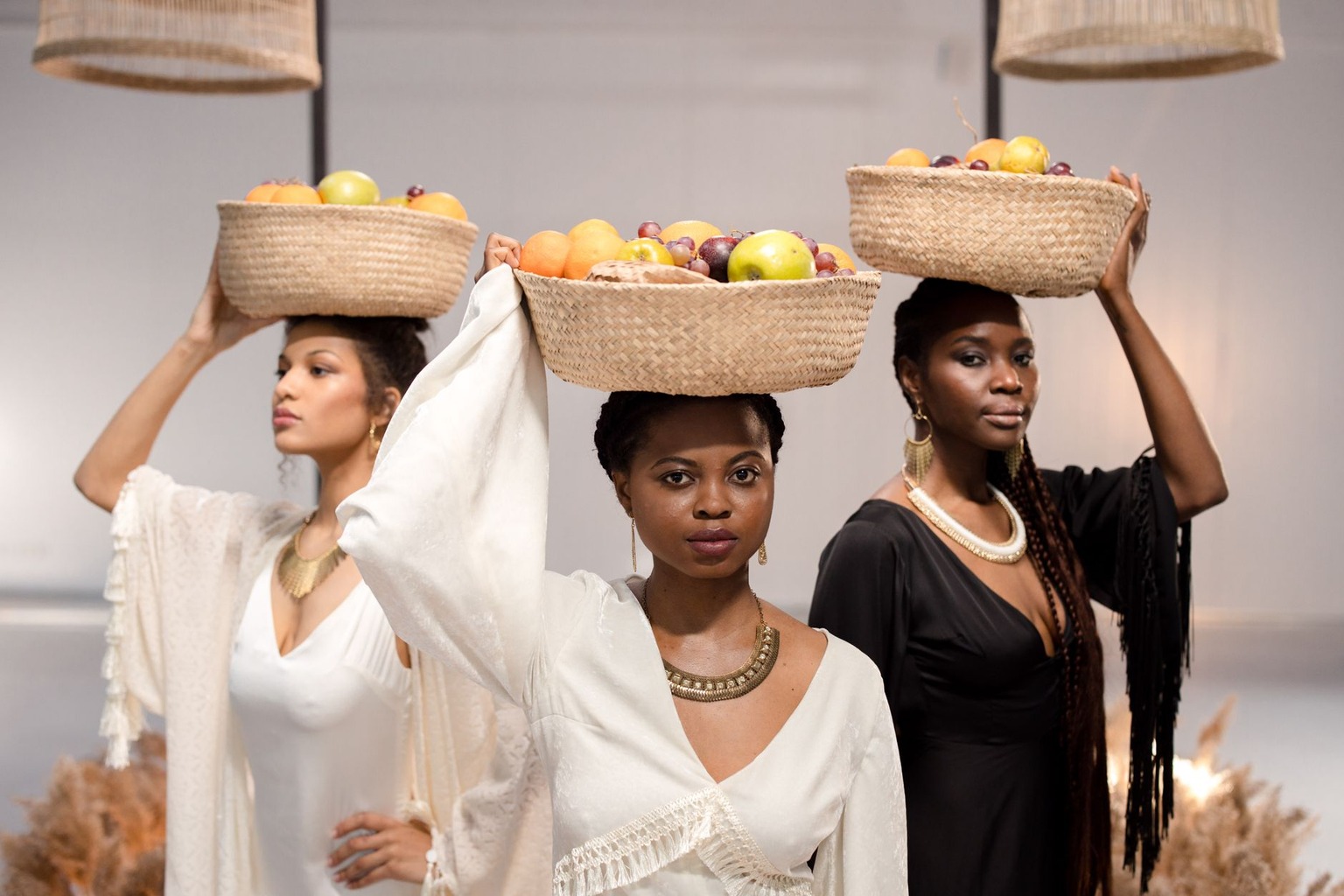
What distinguishes skilled practitioners is the ability to deviate from the grid when the design demands it, such as when rendering a stylised animal or a narrative scene. In these instances, the underlying mathematical structure does not disappear; rather, it becomes a subconscious scaffold that the artist manipulates with intuitive precision. A sudden flare at the neck of an antelope motif, for instance, might involve a temporary reduction in rod count, achieved by skipping a wrap every fourth coil, before the pattern resets to the standard sequence. This interplay between rigid calculation and creative licence is what gives the baskets their enduring vitality. The motifs are not static images but living calculations, where every twist of the fibre echoes a ancient logic that continues to inform contemporary design.
Adaptation for contemporary fashion applications and durability
Sukuma artisans are reimagining traditional coil structures to meet the rigorous demands of modern fashion, moving beyond purely decorative objects into functional wearables. The intricate interlacing of palm fronds, once reserved for storage and ritual, now forms the structural backbone of handbags and footwear that must withstand daily friction. By incorporating tightly twisted inner coils and reinforced outer wraps, contemporary designers achieve a stiffness that holds shape without sacrificing the organic fluidity that defines the craft. This shift requires a deep understanding of tension; a coil that is too loose unravels under stress, while one pulled too tight risks cracking the natural fibers. The result is a hybrid object that feels familiar to the hand yet performs like a high-end accessory, bridging the gap between heritage and haute couture with a resilience that mass-produced materials often lack.
Durability in these recontextualized pieces hinges on the strategic selection of materials and the precise execution of stitch density. Artisans frequently blend indigenous grasses with synthetic threads to create a hybrid core that resists moisture and abrasion far better than organic alone. For instance, a standard market bag might employ a triple-coil technique where three strands are plied together before being stitched into the spiral, effectively tripling the load-bearing capacity. This method not only extends the lifespan of the item but also allows for bolder, larger silhouettes that would otherwise collapse under their own weight. The tactile experience is equally important; the slight roughness of untreated palm contrasts with the smoothness of a waxed thread, creating a sensory dialogue that signals quality to the discerning consumer. Such intentional material choices ensure that a piece bought today remains a functional heirloom decades from now.
Furthermore, the aesthetic language of Sukuma coilwork is being parsed and reassembled to suit the visual grammar of the runway. Designers are experimenting with negative space, leaving gaps in the coil pattern to create breathable mesh sections that reduce weight while maintaining structural integrity. Color palettes have expanded beyond the traditional earth tones, with natural dyes derived from local barks and minerals being combined with low-impact synthetic pigments to offer a spectrum that matches seasonal trends. This willingness to innovate, however, is balanced by a commitment to the core coil logic that has sustained the craft for centuries. The challenge lies in maintaining the rhythm of the spiral, each turn building upon the last, so that the final product feels cohesive rather than piecemeal. When a bag drapes correctly or a hat sits level, the complex coil technique has been mastered not just for its difficulty, but for its capacity to serve.
Error correction and structural reinforcement methods
The Sukuma coil technique, while deceptively simple in appearance, demands rigorous attention to tension balance to prevent structural collapse. A common error arises when the weaver pulls the coil too tight, causing the basket to distort into an oval rather than maintaining its intended circular form. Experienced artisans often compensate for this by inserting a supplementary spacer rod during the initial rounds, which guarantees a consistent diameter before the natural fibres settle. Another frequent issue involves the premature fraying of the palm leaf strips; to mitigate this, practitioners routinely apply a thin coat of natural beeswax along the working edge, a practice that extends the material’s lifespan by up to three months in humid climates. Furthermore, when a coil segment breaks mid-pattern, the repair is not merely a knot but a woven splice that blends seamlessly into the existing structure, preserving the visual rhythm of the design. Mastering these corrective measures transforms a potential flaw into a subtle characteristic of the piece, reflecting the maker’s deep engagement with the material’s behaviour.
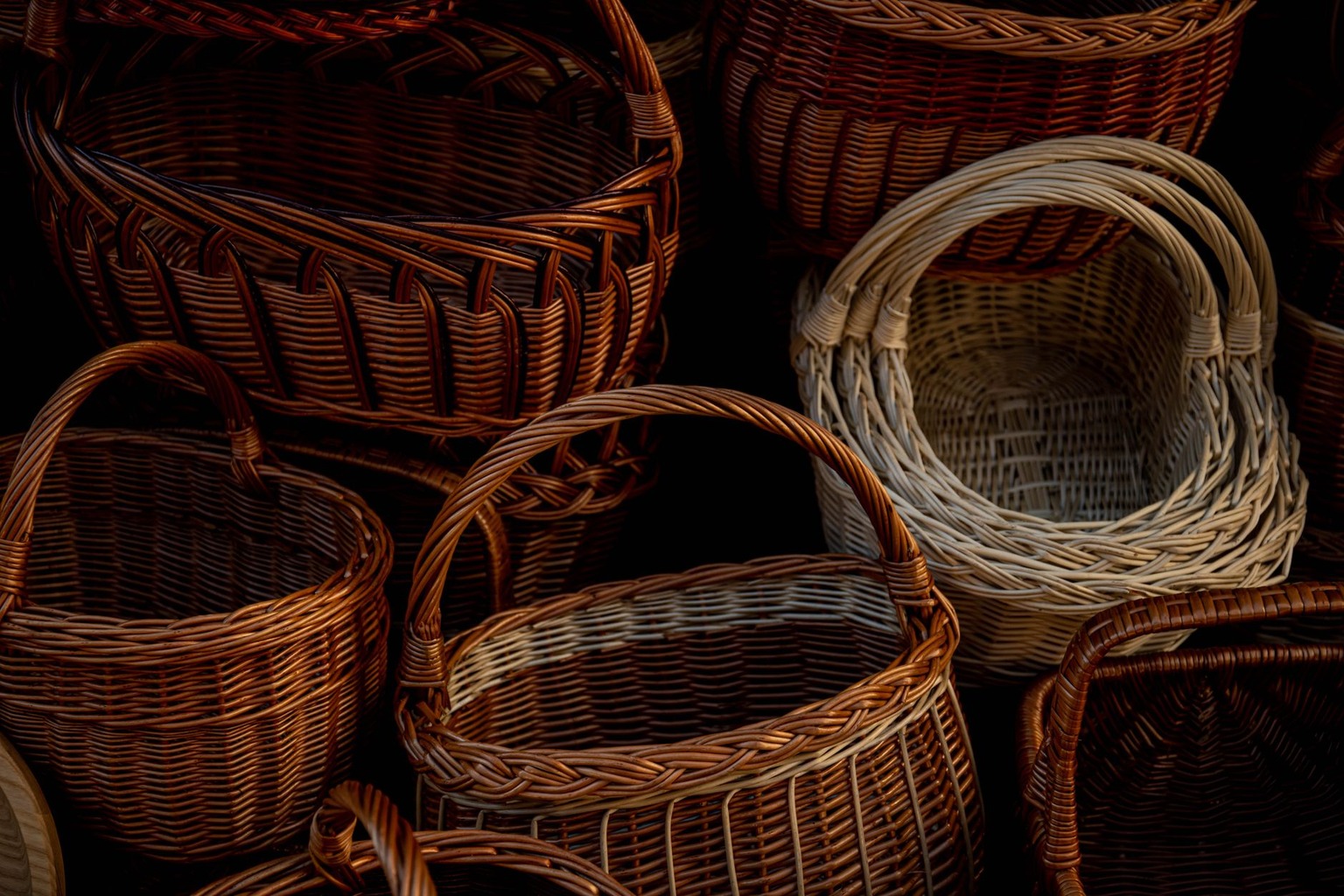
Structural reinforcement in Sukuma basketry often involves the strategic integration of thicker gauge reeds at stress points, particularly around the base and rim where the basket bears the most weight. Weavers frequently employ a double-coil method at the foot, laying two strands side-by-side before twisting them together, which creates a denser, more resilient foundation capable of supporting heavier loads without compressing the interior space. The rim receives particular attention through a process called “whipping,” where a finer coil is wrapped tightly over the exposed edges, effectively sealing the core and preventing the inner coils from splaying outward over time. Some regional variations incorporate small, carved wooden toggles lashed into the sidewalls, serving both as decorative accents and as functional anchors that resist twisting forces during transport. These methods are not arbitrary; they are the product of generations of observation, adapting the geometry of the coil to the specific properties of the locally harvested grasses. The result is a vessel that feels substantial in the hand, its form held rigid by an intricate internal architecture that mirrors the careful, patient pace of its creation.
Sourcing and preservation of authentic sukuma weaving techniques
The hunt for authentic sukuma weaving materials begins long before the first coil is formed. Skilled artisans traverse the outskirts of Lake Victoria, seeking specific indigenous grasses such as Cyperus papyrus and robust reeds that thrive in the region’s unique soil composition. These plants are harvested during the dry season to ensure optimal fibre strength, with experienced weavers often negotiating directly with local farmers to secure sustainable yields. The procurement process is steeped in tradition, requiring knowledge of which specific plots yield the longest, most pliable stalks, as inferior substitutes result in brittle baskets that crack under tension. Preservation of these techniques relies heavily on intergenerational transmission, where elders impart not only the physical motions of coiling but also the ecological wisdom necessary to maintain the health of the resource. Without this deliberate sourcing, the structural integrity and cultural resonance of the final piece are compromised, reducing a functional art form to mere commodity.
Contemporary challenges threaten the continuity of these age-old practices, prompting a delicate balance between innovation and conservation. Modern synthetic dyes and imported synthetic fibres occasionally infiltrate workshops, tempting producers with faster production times and vibrant colour palettes. However, purists argue that such substitutions erode the tactile authenticity that defines true sukuma craftsmanship. Efforts to preserve the art form now include documentation projects that record the precise angle of the needle, the specific tension applied to each loop, and the regional variations in knot types. Some cooperatives have established seed banks for the native grasses, ensuring that future generations have access to the original plant stock. This commitment to safeguarding the source material is as critical as mastering the coil itself; a basket woven from compromised reeds lacks the inherent flexibility and natural sheen that collectors and connoisseurs prize above all else.

I’m fascinated by the vibrant intersection of contemporary fashion and traditional African craftsmanship. I spend my free time exploring markets, learning about textile techniques, and sharing the stories behind each piece with our readers.