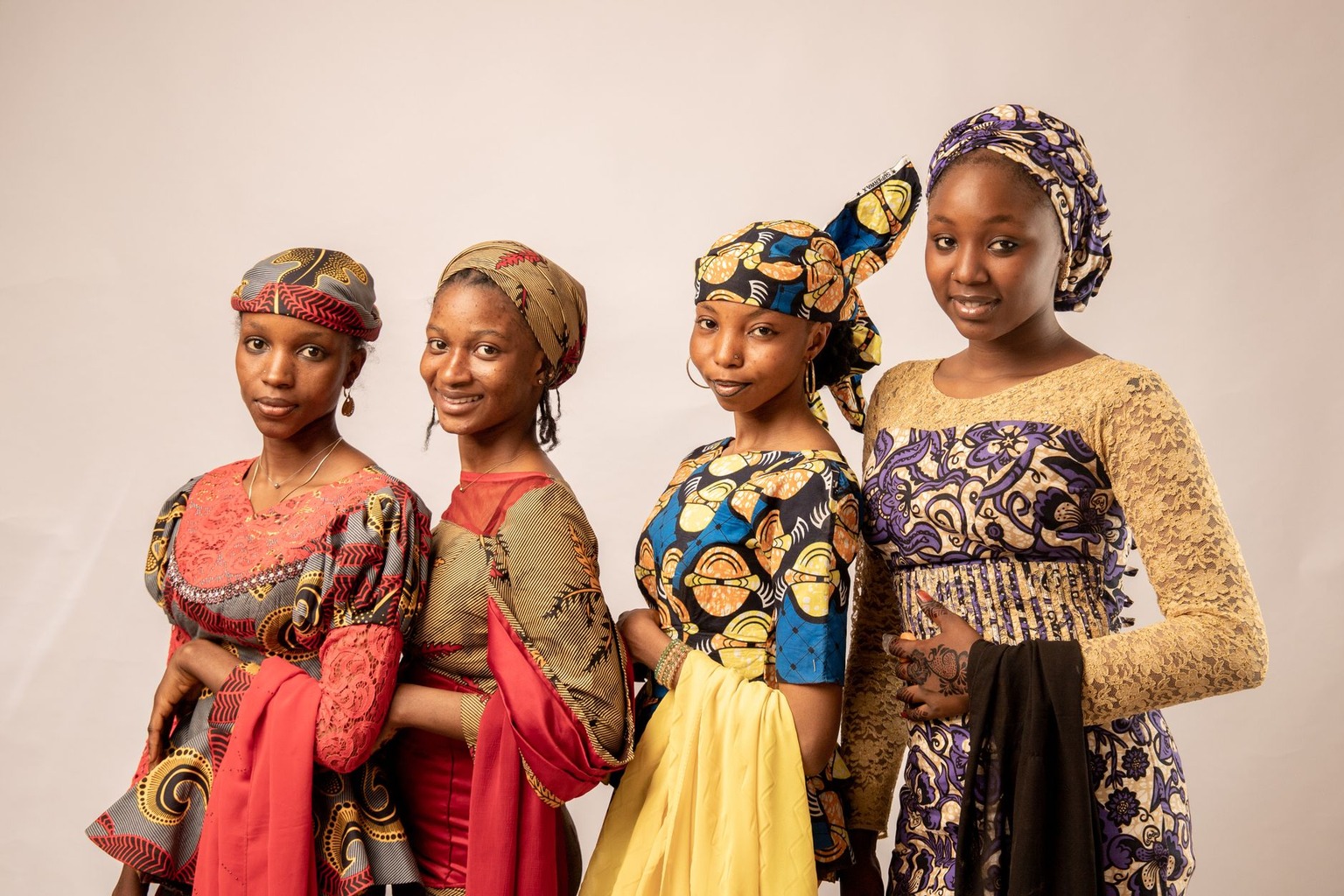
African wax prints have moved decisively beyond the festive weekend and into the daily rhythm of professional wardrobes, yet many people still hesitate at the desk because they fear the pattern will look too loud or culturally out of place. The difference between a stiff, costume-like appearance and genuine office elegance lies entirely in how you manage scale, silhouette, and fabric weight rather than in choosing a single “safe” colour. When you treat the textile as a structural element of your outfit instead of a decorative afterthought, the geometry of the print starts to work for you by anchoring a neutral base or creating a deliberate focal point that commands quiet respect. This approach respects the heritage of the weaving while fitting comfortably within the restrained codes of modern corporate and evening dress.
The Mechanics of Visual Weight and Pattern Scale
Before you even touch the fabric, you need to understand how the human eye processes geometric repetition in a confined office space. A scarf with a high-contrast, large-scale motif creates immediate visual noise that can overwhelm a simple white blouse or a structured navy blazer if left unbalanced. By folding the print into a narrow band rather than letting it drape broadly, you control the surface area that competes for attention and keep the focus on your face and posture. This technique allows you to wear vibrant indigo or ochre patterns in a meeting room without drawing comments about your choice of attire.
The physical weight of the cotton weave also dictates how the scarf sits against other layers, and lightweight materials tend to shift and create accidental bulk at the neck throughout the day. Heavier weaves hold their shape better when layered over a tailored jacket, providing a crisp edge that mimics the precision of professional tailoring. If you are working with a thinner material, consider pinning the ends inside the collar to eliminate flopping and maintain a clean line from shoulder to chest. Mastering these physical variables ensures that the african print scarf styling tips you apply actually translate into a polished, confident look rather than a messy tangle.
Office Integration Through Neutral Anchoring
The most reliable method for integrating bold textile art into a corporate environment is to pair it with a strictly monochromatic base that has zero competing textures. A solid charcoal grey suit or a plain ivory turtleneck acts as a visual canvas, allowing the intricate motifs of the scarf to stand out without clashing with busy shirt patterns or loud accessories. This contrast in simplicity forces the viewer’s eye to travel along the lines of the print, appreciating the craftsmanship rather than feeling distracted by colour clashes that can happen with patterned office wear.
You should also pay close attention to the drape length, ensuring it falls just below the button line of your blazer to avoid creating a bulky silhouette at the waist. Tucking the ends inside the jacket keeps the look streamlined and prevents the fabric from catching on chair backs or keyboard edges during long working hours. This practical adjustment signals that you are intentional about your appearance, treating the textile as a refined accessory rather than a careless throw-on. It transforms a potentially distracting element into a sophisticated statement of personal style that fits seamlessly into a professional setting.
Fabric Interaction and Drape Control
The interaction between different fabric textures is where most layering attempts fail, so you must match the stiffness of your scarf with the drape of your underlying garments. Pairing a stiff, heavily printed cotton with a soft, flowing silk blouse creates an awkward friction point that can pull at the shoulders and create uneven bunching around the neck. Instead, try layering the print over a structured knit or a crisp poplin shirt to create a distinct separation between the layers that keeps the neckline clean and defined. This textural contrast adds depth to the outfit without relying on excessive volume or complicated knots that might unravel during the day.

When moving from a seated position to standing, the way the fabric shifts can expose gaps or create unintended silhouettes if not properly managed. A double-wrap technique provides stability by creating a thicker core at the neck that resists slipping and maintains its shape regardless of your movement. This method is particularly effective for evening wear where you might be moving between standing receptions and seated dinners, as it holds its form without constant adjustment. By focusing on how the material behaves in motion, you ensure the elegance remains intact from the moment you arrive until you leave.
Evening Transitions and Silhouette Management
Transitioning from a daytime office look to an evening event requires adjusting the drape to accommodate more formal and often darker attire. A loose, asymmetrical drape over one shoulder of a tailored black dress creates an instant focal point that elevates a simple silhouette into something memorable and red-carpet ready. The key is to let the print spill slightly over the arm to create a dynamic line that contrasts with the straight cut of the evening wear, adding movement and interest without needing additional jewellery. This approach keeps the look sophisticated and grounded, avoiding the temptation to add too many competing elements that would dilute the impact of the textile.
For those wearing structured evening coats, layering the scarf inside the collar provides a warm, hidden pop of colour that is revealed only when the coat is removed or the collar is lifted. This subtle reveal creates a sense of discovery and personal narrative, making the outfit feel more layered and thoughtfully constructed than a single-piece look. It also protects the delicate evening fabric from potential friction with the heavier cotton weave of the scarf, preserving the quality of both garments over time. This hidden layer adds a dimension of intimacy and detail that is appreciated by those who look closely at your style choices.
Colour Theory and Geometric Harmony
Understanding the specific colour palettes within the geometric patterns allows you to pull out secondary tones for matching accessories that create a cohesive look. If the dominant colour of the scarf is a deep rust, look for the small accents of cream or gold in the design and match your shoes or bag to those supporting hues rather than the main body. This technique creates a sophisticated dialogue between the different parts of your outfit, showing that you have considered the composition as a whole rather than just throwing on a bright piece. It demonstrates a deeper level of styling intelligence that goes beyond basic colour matching and into true aesthetic harmony.
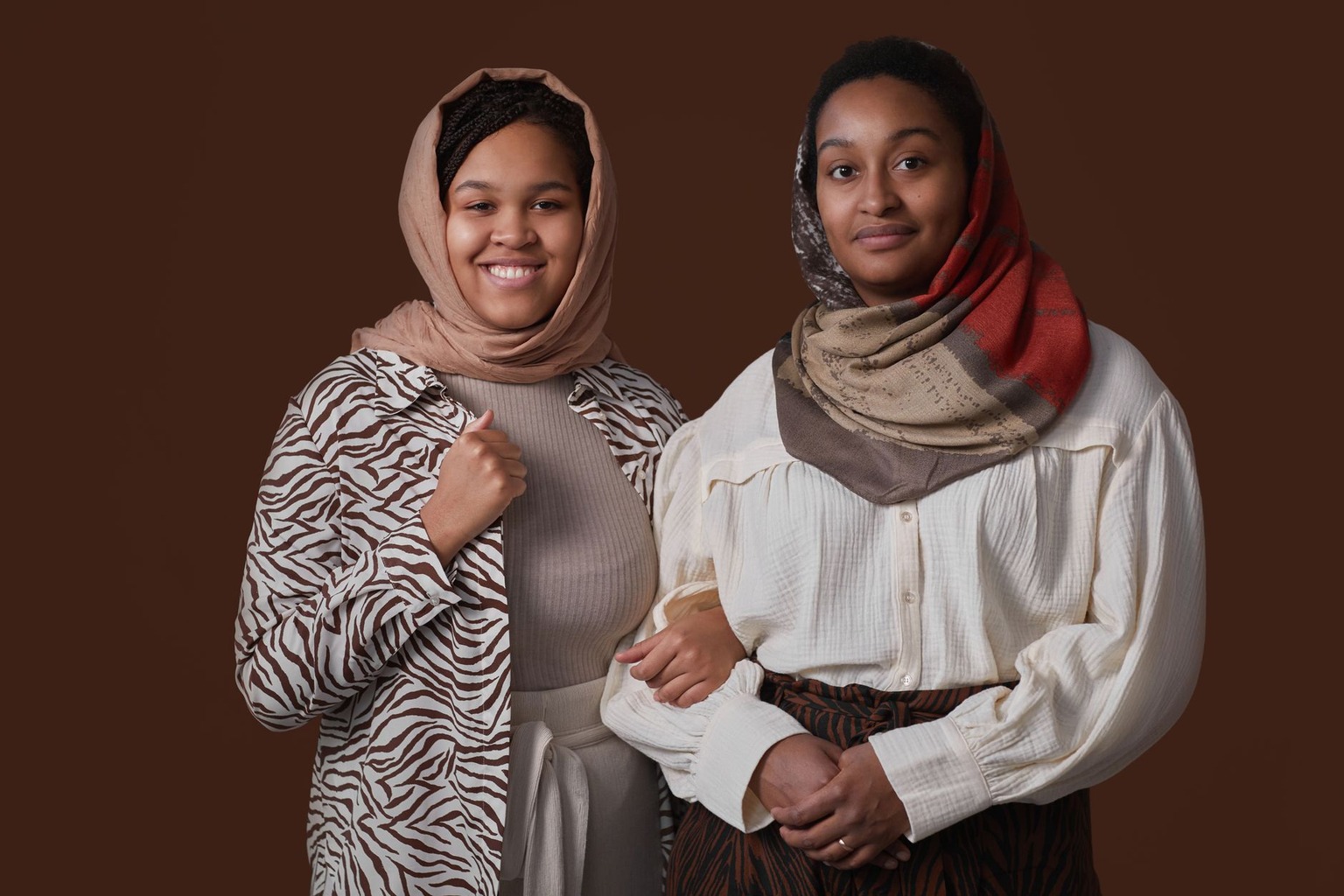
Geometric shapes in African prints often follow specific rhythmic patterns that can either complement or clash with the lines of your clothing, so observe the direction of the motifs before draping. Horizontal bands work best with vertical seams on a blazer to create a balanced grid, while circular motifs suit rounded necklines that echo the shape of the design elements. By aligning the geometry of the fabric with the architecture of the garment, you create a visual flow that feels natural and intentional rather than random. This attention to shape ensures that the layering feels integrated into the overall structure of your outfit rather than slapped on as an afterthought.
Cultural Context and Modern Adaptation
Respecting the cultural origins of these textiles means understanding how they were traditionally worn and adapting those practices to fit modern professional contexts without diluting their meaning. The vibrant colours and intricate patterns have deep roots in community identity and artistic expression, so wearing them with confidence and knowledge honours that heritage rather than appropriating it superficially. By choosing pieces from reputable artisans who sustain local weaving traditions, you support the economic ecosystems that preserve these skills for future generations while adding genuine value to your wardrobe. This conscious consumption adds a layer of ethical depth to your style choices that resonates with modern values of sustainability and cultural respect.
The evolution of these fabrics in global fashion shows that they can exist comfortably alongside Western tailoring without losing their distinct character or identity. As designers continue to experiment with hybrid silhouettes, the scarf remains a versatile bridge between traditional craftsmanship and contemporary personal expression, allowing wearers to tell their own story through fabric. This adaptability is what makes it such a powerful tool in your styling arsenal, capable of shifting from formal to casual with minimal effort and maximum impact. Embracing this versatility allows you to build a wardrobe that is both personally meaningful and universally admired for its elegance.

I’m fascinated by the vibrant intersection of contemporary fashion and traditional African craftsmanship. I spend my free time exploring markets, learning about textile techniques, and sharing the stories behind each piece with our readers.