
The influence of African art on fabric design
African art has significantly shaped fabric design throughout history and continues to do so today. The striking colours, unique patterns, and meaningful symbols present in traditional African creations have motivated fabric designers globally, merging cultural traditions with contemporary styles to produce distinctive textiles that honour both diversity and heritage.
Traditional African patterns are distinguished by their symbolic significance and detailed designs, frequently embodying social hierarchy, communal identity, and cultural narratives. These motifs are deeply integrated into textiles like Kente cloth from Ghana, showcasing vibrant geometric forms that signify ideals such as unity, spirituality, and leadership. The bold and recurring characteristics of these patterns have impacted not just traditional fabrics but also contemporary textile design around the world.
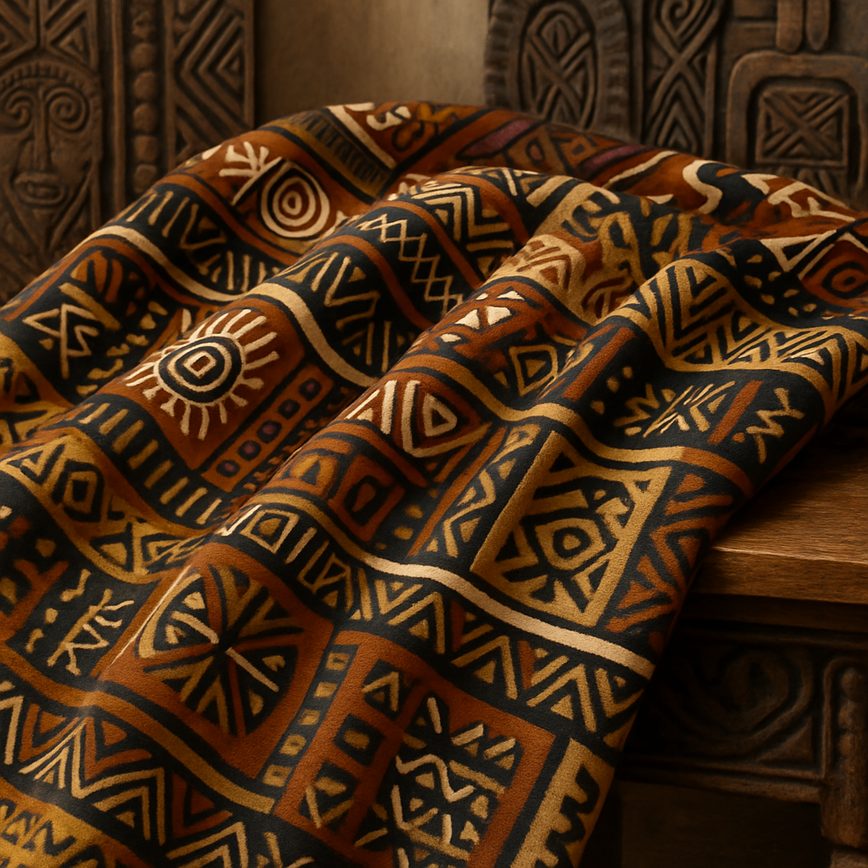
A notable instance of African art impacting fabric design is evident in the extensive use of mud cloth, or Bogolanfini, from Mali. This fabric’s distinctive patterns, achieved through hand-painting fermented mud onto cotton material, have influenced fashion designers globally, who integrate these earthy yet striking patterns into their collections. The interplay of black and natural hues along with the symbolic designs that express narratives of history, fertility, and protection remains a source of fascination for designers in search of significant textile inspiration.
In addition to particular materials, the impact of African art is evident in the colour and shape utilized in fabric design. Traditional African textiles frequently feature vibrant reds, yellows, blues, and blacks, symbolising various aspects from heritage to spiritual values. These colour schemes, along with the lively patterns of recurring shapes, have inspired a wide range of fashion, from haute couture to streetwear, prompting designers to incorporate cultural narratives into their fabric designs.
Additionally, African art remains a source of inspiration for fabric design, particularly through motifs like the Adinkra symbols of the Akan community in Ghana. Each symbol carries its own significance and is commonly woven into textiles to express themes of wisdom, strength, and harmony. This fusion of art and fabric design acts as a link between historical roots and contemporary creativity, enhancing global recognition of traditional African aesthetics.
To summarise, the impact of African art on fabric design is significant, with traditional African patterns providing a wealth of inspiration for fabric designers around the globe. By integrating symbolic motifs, vibrant colours, and cultural stories, fabric creators pay tribute to African heritage while pushing the boundaries of textile arts, ensuring that African art remains a cherished and enduring source of inspiration in fabric design.
Traditional African art motifs and symbols
African motifs and traditional symbols are intricately woven into the continent’s vibrant artistic legacy and are essential to fabric designs. These patterns frequently embody multiple cultural significances that extend beyond mere visual attractiveness, encapsulating history, beliefs, and societal values. Frequently seen motifs encompass geometric forms, animal representations, and abstract symbols, each narrating distinct tales or signifying particular concepts.
The Adinkra symbols originating from West Africa are recognised for their deep cultural importance. Icons like “Gye Nyame,” which signifies the supremacy of God, and “Sankofa,” encouraging individuals to draw lessons from history, are commonly found in textiles, infusing spiritual and philosophical richness into fabric patterns. These designs serve more than an ornamental purpose; they convey messages regarding wisdom, unity, and identity.
In a similar vein, Kuba cloth originating from Central Africa showcases elaborate patterns formed by recurring geometric designs that represent social standing and community connections. Imagery of animals such as the crocodile or elephant frequently denotes power or authority. By integrating African motifs and symbols, the patterns on the fabric transform into a visual language that expresses cultural heritage and principles, elevating the material from just a textile to a medium of storytelling.
Contemporary adaptations in fabric patterns
Contemporary fabric design is progressively enhanced by the vibrant legacy of African art adaptation. Current textile designers find inspiration in traditional African motifs, symbols, and colour schemes, skillfully weaving them into novel and striking fabric patterns. This method creates a vibrant blend of heritage and modernity in contemporary textiles, ensuring that African artistic influences continue to hold significance in today’s fashion and interior design sectors.
Through the reinterpretation of geometric shapes, abstract forms, and culturally meaningful symbols drawn from African art, designers craft textiles that connect on both visual and cultural levels. These modern fabric designs present a fresh narrative, merging historical richness with contemporary style, making them ideal for various uses from high fashion to casual attire. The process of adaptation also includes exploring innovative materials and printing methods, which enrich the texture and attractiveness of the fabrics while preserving the spirit of African artistry.
This imaginative evolution enables African art to move beyond its conventional limits, penetrating global markets and shaping worldwide textile trends. Modern fabric, therefore, serves as a medium for recognising African heritage, offering designers limitless opportunities for innovation while respecting the deep-rooted artistic customs. The outcome is a varied assortment of fabric designs that highlight the splendour of African art’s integration into the realm of contemporary textile design.
Key materials and techniques inspired by African art
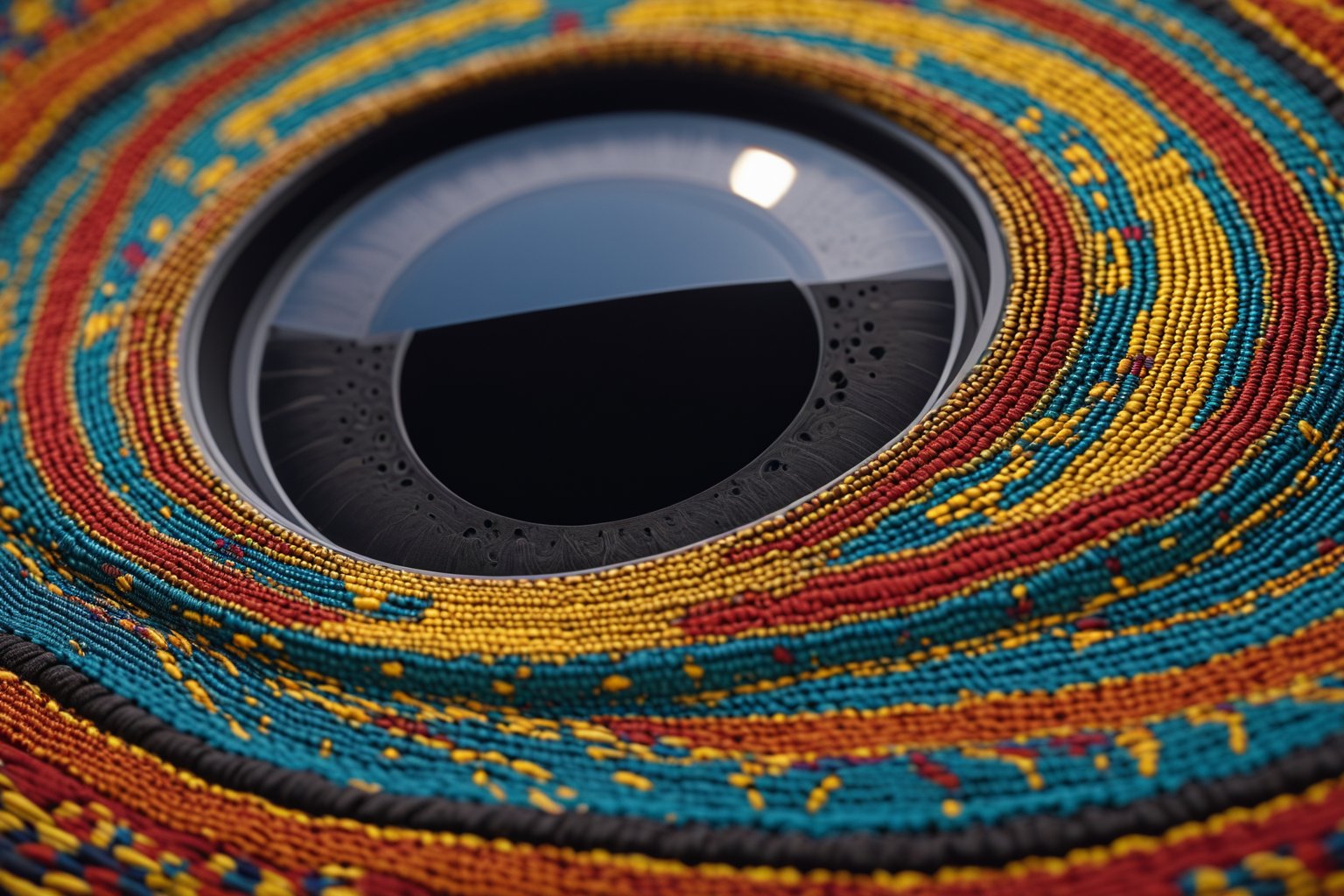
African textiles have been renowned for their vivid hues, elaborate designs, and distinctive craftsmanship. The textiles created are firmly based on traditional materials and fabric making techniques that have been inherited across generations, each narrating tales influenced by African artistry. These fabrics represent more than mere cloth; they embody cultural expressions and safeguard the legacy of African societies.
A prominent element of primary materials used in African textiles is cotton, grown across various areas of the continent. Its popularity stems from its adaptability and capacity to absorb natural dyes sourced from plants, roots, and minerals. Additionally, materials like silk and raffia fibres are utilised, varying by region and the specific purpose of the fabric. Raffia, with its coarse texture, is frequently used in ceremonial garments and textiles influenced by art, highlighting both texture and visual aesthetics.
Some of the most significant fabric production methods that showcase textiles influenced by African art include weaving, dyeing, and embroidery. Weaving practices like strip weaving, historically carried out by groups such as the Ashanti and Ewe in West Africa, generate slim strips of material adorned with geometric or symbolic designs that are stitched together to create larger, vibrant items. This weaving technique results in fabrics rich with meanings rooted in art and culture.
Dyeing methods are essential in the creation of fabrics. The renowned indigo dyeing technique is prevalent in numerous African cultures, producing rich blue tones on cotton textiles. The application of natural dyes links the fabric to its surroundings as well as to the legacy of traditional artistry. Furthermore, resist dyeing methods like batik and tie-dye are frequently employed, where designs are formed by blocking dye penetration on specific areas of the fabric, drawing inspiration from patterns found in African artistic expressions.
Embroidery and appliqué work play a significant role in African textiles shaped by art. These decorative elements enhance the fabric’s texture and richness, transforming it from mere cloth into a form of wearable art that signifies social standing, beliefs, or narrative traditions. By employing these detailed stitching methods, artists incorporate symbols and designs that embody African culture and artistic creativity.
In summary, blending traditional materials such as cotton and raffia with age-old textile production methods creates art-inspired fabrics that reflect African heritage. These textiles fulfil practical roles while also acting as a medium of expression, conveying identity and creativity through the art of fabric.
Natural dyes and their cultural importance
Natural dyes have played a vital role in African textiles for hundreds of years, acting not just as a means of colouring fabric but also as a significant cultural emblem. Sourced from diverse natural materials like plants, roots, insects, and minerals, these dyes provide vibrant and organic shades that are distinctive to African-inspired fabrics. The application of natural dyes establishes a profound connection between the textiles and the environment, showcasing the abundant biodiversity and traditional wisdom of African communities.
In the realm of African art and fabric dyeing techniques, natural dyes are essential for conveying identity, social standing, and cultural heritage. Each hue carries its own symbolic meaning; for example, indigo blue typically signifies protection and wealth, whereas red may denote energy and spiritual strength. The traditional methods for sourcing and applying these dyes are frequently inherited across generations, maintaining age-old practices and the cultural stories woven into the textiles.
Artistically, the incorporation of natural dyes enriches the visual charm and genuineness of African textiles. The delicate differences in hue and texture produced by these dyes result in fabric designs that are not only visually captivating but also profoundly significant. In addition, natural dyes support sustainability by steering clear of synthetic chemicals, which resonates with modern ideals of environmental consciousness and cultural conservation. Therefore, natural dyes serve not merely as methods for dyeing fabric but are essential to honouring and perpetuating African artistic heritage.
Weaving and printing techniques from Africa
African weaving and fabric printing are steeped in age-old traditions that still influence modern fabric designs and styles. Typically, African weaving occurs on narrow-strip looms, resulting in long, slender strips of fabric that are stitched together to create larger textiles. The methods of weaving differ across regions, yet many highlight complex geometric designs and symbolic motifs that convey narratives or embody cultural values. A notable instance is Kente cloth from Ghana, famous for its vivid colours and meticulously crafted patterns that signify social standing and historical importance.
Fabric printing in Africa includes a range of traditional techniques like batik, tie-dye, and stencil printing. Batik, commonly found in West African nations, employs wax to form resist patterns on fabric prior to dyeing, yielding beautiful designs with striking contrasts. Tie-dye methods consist of tying off parts of the cloth to generate patterns during the dyeing process, with indigo being a favoured natural dye. Stencil printing is another prevalent technique, where carved wooden blocks or metal plates are used to transfer bold, recurring motifs onto fabric.
These age-old textile methods create not only stunning fabrics but also safeguard cultural heritage through the symbols, hues, and techniques handed down through the ages. The profound legacy of African weaving and fabric printing remains a source of inspiration for contemporary textile design globally, honouring the beauty and variety of African artistry.
African art’s impact on global fashion and textiles
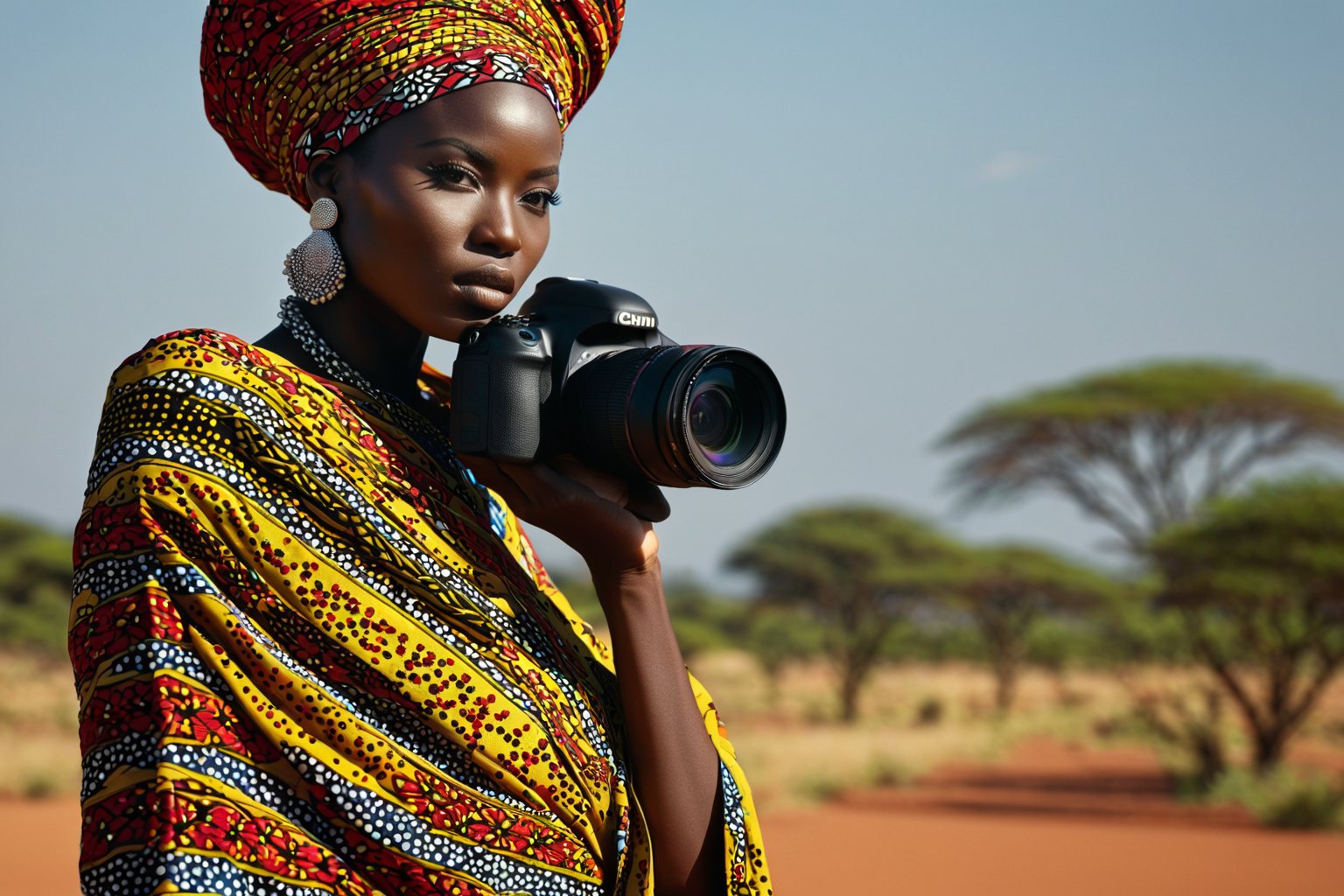
African art has consistently been a deep source of inspiration for the international fashion scene, significantly influencing textile designs and patterns around the globe. The elaborate designs, vivid hues, and meaningful symbols found in African textiles have moved beyond their roots, leaving a lasting impact on designers and fabric manufacturers worldwide, fostering a vibrant cross-cultural dialogue that characterises a large part of modern global fashion trends.
A significant way in which African art influences fashion is via its unique textile designs, including kente, mudcloth, and Ankara motifs. These designs are not just visually appealing; they also hold profound cultural meaning, weaving stories and identities into their fabric. International fashion designers have adopted these features, frequently reimagining them to produce collections that honour African traditions while resonating with a wide range of global audiences. This blend has transformed the influence of African textiles from regional craftsmanship into a worldwide fashion phenomenon.
Fashion houses and independent designers have embraced African-inspired fabric patterns in their collections, merging traditional motifs with contemporary cuts and styles. This trend not only honours African culture but also promotes a deeper appreciation and understanding of the continent’s artistic heritage. Additionally, textile industries globally have incorporated techniques and designs influenced by African art, leading to a broader range of fabric options that attract consumers looking for authenticity and vibrancy in their apparel.
The worldwide impact of African textiles on fashion goes beyond mere visuals to encompass economic and social aspects. By integrating African designs, global brands aid in the development of artisanal communities and endorse sustainable methods grounded in age-old skills. This mutually beneficial connection serves both the fashion sector and African creators, fostering chances for cultural preservation and creativity.
In summary, the influence of African art on international fashion and textiles is significant and varied. The dynamic fabric designs motivate designers across the globe, enhancing the fashion scene with deep symbolism and ingenuity. As fashion advances on a global scale, the effect of African textiles continues to be a formidable presence, highlighting the value of cultural diversity and artistic legacy in the development of fabric designs around the world.
Notable designers inspired by African art
African artistic influences have profoundly impacted various esteemed fashion designers, who utilise this abundant heritage to inspire their creativity and advance textile innovation. Designers such as Stella Jean have skillfully integrated African motifs with modern silhouettes, showcasing the continent’s vibrant aesthetics on global runways. Her creations exemplify the harmonious blend of African inspiration and contemporary fashion, resulting in striking and culturally meaningful fabric designs.
Another notable individual is Duro Olowu, a designer based in London celebrated for his diverse blend of African prints and textures. Olowu’s dedication to procuring artisan fabrics from different African areas underscores the genuine and rich artistic impact of Africa in his collections. His creative application of traditional motifs breathes new life into textile artistry in a manner that connects with audiences worldwide.
Additionally, designers such as Ozwald Boateng have infused African influences into their tailoring methods, merging bold patterns with meticulous cuts. This fusion of African creativity and skilled craftsmanship offers a novel perspective on menswear that both challenges and broadens the horizons of fashion. Collectively, these designers not only pay tribute to African artistry but also extend the possibilities of textile innovation, highlighting cultural narratives through fabric.
Cultural appreciation versus appropriation in textile design
In the realm of fabric designs influenced by African art, it is essential to differentiate between cultural appreciation and cultural appropriation. Cultural appreciation means valuing and recognising the roots and importance of African art while carefully integrating its features into textile creation. This regard respects the rich history and meanings inherent in these patterns, promoting a more meaningful connection and comprehension instead of simply superficial aesthetic usage.
Conversely, cultural appropriation takes place when designers utilise African art without adequate recognition or respect for its cultural significance, frequently resulting in the commodification and distortion of sacred symbols. This behaviour diminishes the voices of the original artists and can reinforce damaging stereotypes, which goes against the ethical principles of fashion that focus on fairness and cultural awareness.
To utilise African art ethically in fabric designs, it is essential for designers to connect with communities and creators, obtaining permission and fostering collaboration whenever feasible. Understanding the significance of the motifs and patterns guarantees that their application is both visually appealing and respectful. By encouraging cultural appreciation, the textile sector can honour African creativity while respecting its vibrant cultural legacy, aiding artisans, and advocating for sustainability in fashion.

I’m fascinated by the vibrant intersection of contemporary fashion and traditional African craftsmanship. I spend my free time exploring markets, learning about textile techniques, and sharing the stories behind each piece with our readers.