
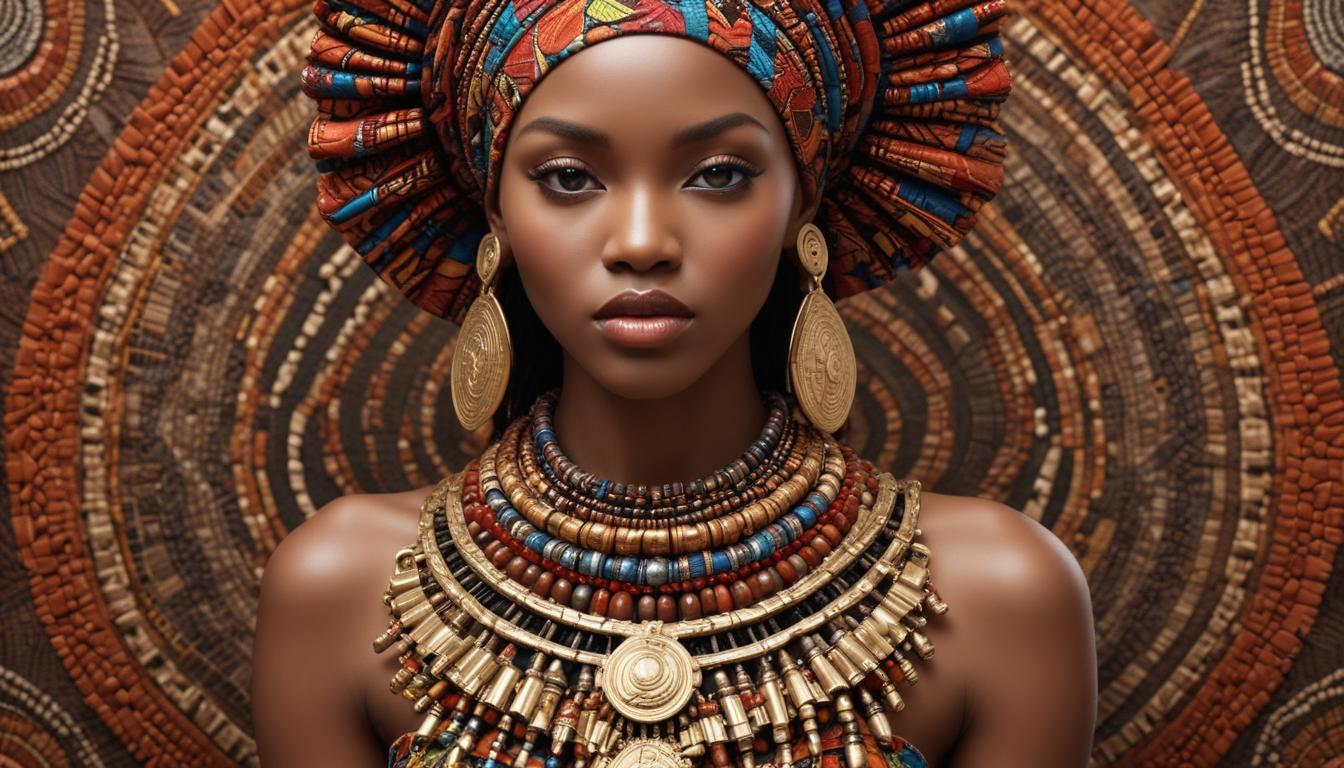
The Role of Sculptural Elements in African Fashion
Sculptural fashion plays a pivotal role in defining African style, acting as a powerful medium through which cultural symbolism and artistic expression merge. Unlike purely decorative trends, sculptural elements in African fashion are deeply rooted in the continent’s diverse traditions and histories, making each piece a narrative vessel that conveys identity, status, and heritage. These fashion elements are not merely adornments; they are statements imbued with meaning that transcend aesthetics, offering insight into the wearer’s community and cultural values.
The influence of sculptural elements within African fashion is evident in the bold shapes, intricate textures, and often oversized forms that characterize garments and accessories across various regions. Whether crafted from textiles, beads, metals, or natural fibers, these sculptural components serve as focal points that elevate the wearer’s presence and reflect the artistry of African craftsmanship. Their three-dimensional quality challenges conventional flat fashion designs, introducing a dynamic interplay of volume and structure that captivates onlookers while honoring age-old artisanal techniques.
Importantly, the use of sculptural fashion in African style is a celebration of cultural symbolism. Figures and patterns often draw inspiration from mythology, spiritual beliefs, and historical events. Through these fashion elements, designers and wearers communicate stories of ancestry, resilience, and social roles. For example, certain shapes may symbolize protection or fertility, while others denote social rank or community affiliation. This symbolic richness ensures that sculptural fashion is always layered with meaning beyond its visual appeal.
Moreover, sculptural elements contribute to the global recognition and appreciation of African fashion as a vibrant and innovative artistic domain. Designers who incorporate these elements challenge Western fashion norms by asserting African cultural identity and redefining beauty standards. As such, sculptural fashion not only honors African heritage but also inspires contemporary dialogue in the international fashion industry, highlighting Africa as a source of creativity and cultural depth.
Historical Origins of Sculptural Fashion in Africa
The historical fashion of Africa is deeply intertwined with the region’s rich heritage, where sculptural elements in attire have roots stretching back centuries. These sculptural features are often inspired by traditional art forms, such as wood carving, beadwork, and textiles, which have long served as mediums of cultural expression. African societies have historically valued the integration of three-dimensional design within clothing and adornments, reflecting social status, spiritual beliefs, and community identity.
The evolution of fashion in Africa showcases a fascinating trajectory where sculptural clothing elements develop alongside ceremonial masks and sculptures that hold vital cultural significance. This heritage emphasizes the craftsmanship and artistic skills passed down through generations, linking fashion directly to the broader tradition of African art. Garments and accessories often embody symbolic motifs and aesthetics that resonate with historical narratives and tribal affiliations.
Moreover, the use of sculptural components within African fashion underscores the continuity of cultural practices, where traditional art not only influences but fundamentally shapes the appearance and construction of garments. This synthesis between art and fashion reveals how African communities have historically embraced innovation within their cultural framework, ensuring that sculptural fashion remains a vibrant and evolving aspect of their identity.
Cultural Significance and Symbolism
Sculptural elements in African fashion hold profound cultural meaning, serving as tangible expressions of African symbolism and identity. Across various African communities, these intricate designs and forms are far more than just aesthetic choices; they represent deep-rooted cultural narratives and social values. For many groups, the sculptural features embedded in clothing or accessories convey messages that are instantly recognized within their cultural context, such as status, heritage, or spiritual beliefs.
These sculptural elements act as a visual language that communicates fashion messages relating to community values and individual identity. For example, certain patterns or shapes may symbolize ancestral connections or invoke protection and blessings. The symbolism embodied in these artistic forms not only preserves traditions but also promotes cultural pride, serving as a bridge between past and present. Through this lens, African fashion becomes a statement of identity, reinforcing a sense of belonging and continuity across generations.
Moreover, the interplay of sculptural aesthetics with the cultural stories embedded within them enriches the overall fashion experience. It allows wearers to express their unique cultural backgrounds publicly and proudly. This fusion of art and symbolism ensures that African fashion is not only visually striking but also intellectually and emotionally resonant, allowing for a powerful dialogue between the wearer and the observer, rooted firmly in African heritage.
Contemporary Use of Sculptural Elements in African Designers’ Work
Modern fashion in Africa has seen a remarkable evolution where traditional artistry meets contemporary innovation, especially in the realm of sculptural clothing. African designers today are redefining fashion by incorporating sculptural elements that transform garments into wearable art, blending rich cultural heritage with cutting-edge design techniques.
These designers leverage sculptural forms to create dynamic silhouettes and three-dimensional shapes that challenge conventional fashion norms. By integrating structured pleats, bold folds, and architectural shapes into their collections, African designers emphasize the artistry and craftsmanship embedded in their work. This approach not only highlights the physical form but also tells stories rooted in cultural symbolism and identity, making each piece deeply meaningful.
The innovation displayed by African designers is evident in their use of unconventional materials and techniques, alongside traditional fabrics like Ankara and Kente. Incorporating elements such as exaggerated shoulders, layered volumes, and intricate origami-inspired patterns, these sculptural clothing pieces evoke a sense of movement and expressiveness. The result is a vibrant fusion of modern fashion aesthetics and traditional African motifs, appealing to a global audience.
Moreover, contemporary African designers are cultivating fashion innovation by pushing the boundaries of what clothing can represent and how it interacts with the wearer’s body. Through their sculptural designs, they invite wearers to engage with fashion as a form of personal and cultural expression, blending past influences with forward-thinking creativity. This innovative spirit not only elevates African fashion on the world stage but also redefines the future of sculptural clothing globally.
In conclusion, the contemporary use of sculptural elements by African designers marks a significant moment in the fashion industry. Their ability to merge tradition with modernity through sculptural clothing exemplifies a unique blend of fashion innovation that continues to inspire and shape the evolving landscape of global style.
Notable Designers and Their Sculptural Creations
African couture is renowned not only for its vibrant textiles and patterns but also for the innovative sculptural fashion pieces created by famous designers across the continent. These artistic fashion pioneers push the boundaries of traditional clothing by incorporating bold, three-dimensional forms that highlight both cultural heritage and contemporary design. One of the most influential figures is Nigerian designer Lisa Folawiyo, whose work skillfully blends intricate beadwork with carefully crafted silhouettes that stand out as sculptural masterpieces. Another notable name is South Africa’s Thebe Magugu, acclaimed for his architectural approach to fashion, creating striking shapes that redefine the modern African wardrobe.
In addition, designers like Imane Ayissi from Cameroon elevate sculptural fashion by using haute couture techniques that bring dramatic forms to life, often inspired by African art and history. Their pieces not only serve as clothing but also as wearable art, showcasing a deep understanding of fabric manipulation and form. These artistic fashion leaders play a crucial role in placing African couture on the global stage, proving that sculptural elements can be both a celebration of heritage and a frontier of innovation. Their iconic works continue to inspire aspiring designers and fashion enthusiasts who appreciate the fusion of art and craftsmanship inherent in sculptural fashion pieces.
Materials and Techniques in Sculptural Fashion
In the world of sculptural fashion, designers leverage a diverse range of fashion materials that go beyond traditional textiles to craft innovative and striking structures. Materials such as neoprene, felt, wire, and reinforced fabrics serve as the foundation for creating shapes that challenge conventional garment construction. These materials provide both flexibility and stability, allowing artisans to manipulate form while maintaining wearability.
Construction techniques play a crucial role in achieving the three-dimensional effects characteristic of sculptural fashion. Methods such as heat molding, laser cutting, and 3D printing are increasingly integrated into the creative process, enabling designers to experiment with precision and complexity. Sewing and layering techniques are adapted to support volumetric designs, often incorporating hidden supports or boning to maintain the garment’s architecture.
Textile innovation is at the heart of this movement, with designers exploring novel materials like bio-fabrics, smart textiles, and hybrid composites. These advancements not only contribute to sustainability but also expand the possibilities for texture and form. The fusion of traditional craftsmanship with cutting-edge technology results in fashion that is as much a tactile exploration as it is a visual statement.
3D fashion techniques, such as digital sculpting and virtual prototyping, enable creators to visualize and refine their designs before physical construction. This integration of digital tools with hands-on techniques embodies a new era for sculptural fashion, making it a dynamic and evolving art form that continues to push boundaries in materials and construction techniques.
Impact of Sculptural Fashion Elements on Global Trends
Sculptural elements in African fashion have made a profound impact on global fashion, reshaping the way international designers approach trendsetting and design influences. These distinctive, bold, and often avant-garde elements capture attention through their artistic form and cultural significance, providing fresh inspiration to the fashion world. The incorporation of sculptural forms from African traditions into global fashion epitomizes a dynamic fusion of heritage and modernity, influencing everything from haute couture to ready-to-wear collections on runways worldwide.
Global fashion has increasingly embraced the tactile beauty and structural ingenuity found in African sculptural fashion. Designers from major fashion capitals such as Paris, New York, and Milan look to African artisanship for innovative silhouettes and textures that challenge conventional garment construction. These influences are evident in the trendsetting choices made by key industry players, who adopt African-inspired three-dimensional shapes, exaggerated proportions, and intricate layering techniques to create garments that stand out in a competitive marketplace.
African impact on global fashion extends beyond mere aesthetics; it also brings a celebration of cultural narratives and craftsmanship that enriches the creative process of international designers. This trendsetting movement encourages sustainable practices and highlights the value of traditional handwork, such as weaving, embroidery, and beadwork, in producing sculptural fashion pieces that carry stories and identity. The resulting designs not only elevate the fashion industry but also promote cultural exchange and respect.
The influences of African sculptural elements have permeated various sectors of global fashion, from high fashion runways to street style and even accessory design. The boldness and innovation embedded in these sculptural forms push global trends toward more experimental and expressive fashions. As a result, the fashion ecosystem benefits from a broadened creative horizon, acknowledging African impact as a vital component of contemporary trendsetting and design evolution worldwide.
Adoption of Sculptural Elements in International Fashion
Sculptural designs inspired by African fashion have significantly influenced international fashion, as global designers increasingly embrace the bold shapes and structural aesthetics characteristic of African artistry. This fashion adoption highlights the rich cultural heritage and innovative design approaches found across the continent.
One striking example is the use of oversized, geometric silhouettes that echo traditional African sculptures and masks. Designers such as Iris van Herpen and Alexander McQueen have incorporated these sculptural elements into their collections, blending avant-garde techniques with African inspiration. This fusion creates garments that not only serve as fashion statements but also as wearable art forms.
Additionally, the strategic layering and manipulation of fabrics, reminiscent of African textile traditions, have been embraced by global designers to create three-dimensional effects. These innovative constructions bring a new dimension to the runway, showcasing how African artistic values around form and structure can be reinterpreted in an international context.
Moreover, international fashion shows have increasingly featured pieces that celebrate African sculptural aesthetics, which fosters a cross-cultural dialogue and appreciation. As global designers continue to draw inspiration from African sources, the adoption of these sculptural elements not only enriches international fashion but also elevates African contributions to the global design narrative.
Future Prospects of Sculptural Elements in Fashion
The future of fashion is poised for a dynamic evolution, with sculptural elements playing a pivotal role in both African and global fashion narratives. Sculptural innovation continues to push the boundaries of traditional garment construction, merging art and utility in ways that challenge conventional silhouettes and aesthetics. Emerging trends indicate a growing appetite for bold, three-dimensional forms that not only serve as visual statements but also enhance the storytelling aspect of fashion.
In the African fashion landscape, designers are increasingly embracing sculptural elements to celebrate cultural heritage while pioneering futuristic designs. This blending of history and innovation signals a fashion future where sculptural details are integral to identity and expression. Worldwide, the fashion evolution is marked by sustainability and technological integration, where sculptural techniques are adapted to eco-friendly materials and digital fabrication, expanding creative possibilities.
As these trends converge, sculptural elements are becoming synonymous with avant-garde aesthetics and conceptual fashion. Designers are experimenting with exaggerated shapes, textured layers, and structural contrasts, setting a new standard for visual impact and wearable art. The growth of fashion future-focused thinking suggests that sculptural innovation will not only dominate runway designs but also influence everyday fashion, making it both accessible and inspiring.

I’m fascinated by the vibrant intersection of contemporary fashion and traditional African craftsmanship. I spend my free time exploring markets, learning about textile techniques, and sharing the stories behind each piece with our readers.