Why Eco-Friendly African Craft Brands Matter in Ethnic Fashion
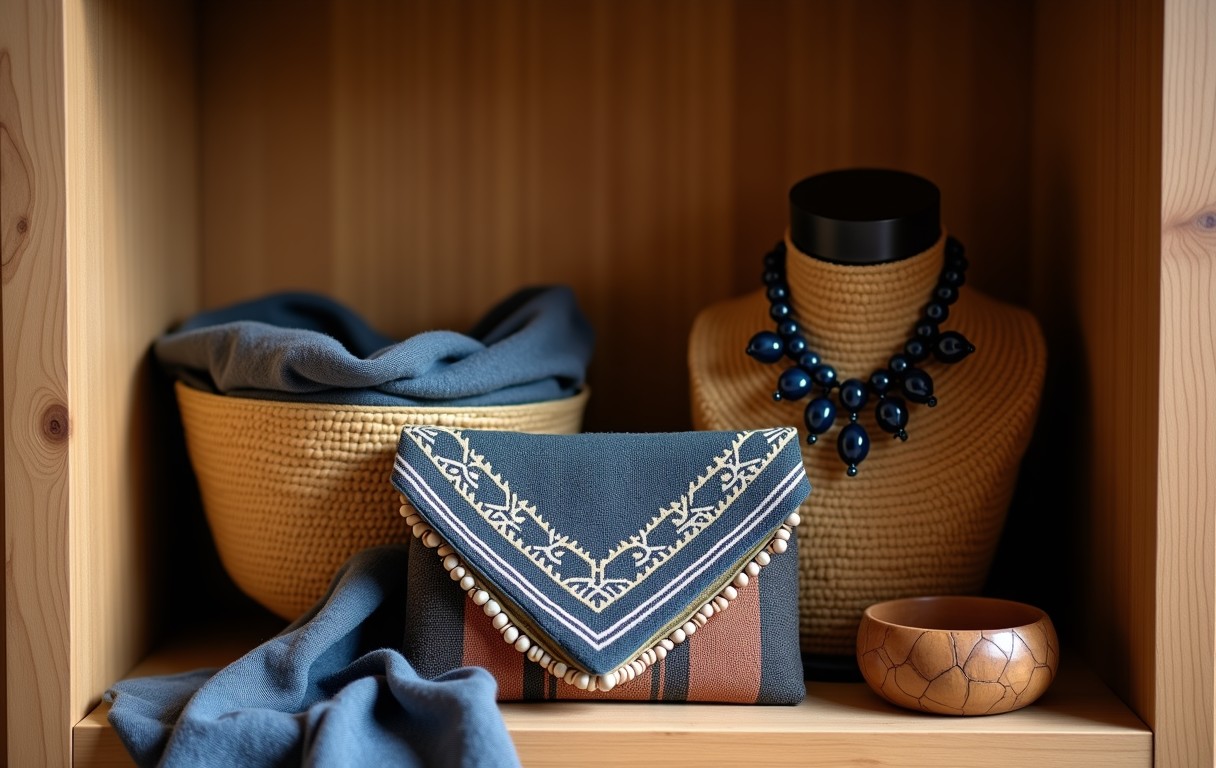
Walk into any contemporary boutique in Kraków or Berlin and you’ll spot the same pattern: a hand-woven Kente clutch from Ghana, a recycled-glass bead necklace from Kenya, or a hand-dyed indigo scarf from Mali. These pieces aren’t just accessories; they’re portable stories of resilience, skill, and soil. Yet behind every stitch and bead lies a choice—one that can either drain rivers or replenish them, exploit hands or uplift communities. Eco-friendly African craft brands are the quiet revolutionaries turning that choice into a force for good. They prove that slow fashion isn’t a luxury; it’s a lifeline for the artisans who keep centuries-old techniques alive and for the landscapes that cradle them.
What sets these brands apart isn’t just the absence of synthetic dyes or plastic packaging—though that’s part of it. It’s the deliberate decision to root every design in the rhythms of the land: cotton grown without pesticides, leather tanned with acacia bark, beads forged from melted-down glass bottles. When you buy a hand-loomed basket from Rwanda or a hand-carved wooden bangle from Senegal, you’re not just acquiring an object; you’re investing in a closed-loop economy where waste is reimagined as raw material and every purchase ripples through families and forests alike.
The Three Pillars of Eco-Friendly African Craftsmanship
Most brands that label themselves “sustainable” tick one or two boxes—organic cotton here, fair wages there. The standout names in African ethnic fashion incorporate three key elements: material integrity, artisan agency, and zero-waste design. Take the Malian brand Bogolan Kasobané, for instance. They source cotton from smallholder farmers who rotate crops to prevent soil depletion, then dye the fabric with fermented leaves and river mud, a process that uses 90 % less water than conventional dyeing. The result isn’t just a striking geometric print; it’s a textile that breathes with the land it came from.
Artisan agency means more than a pay slip at the end of the month. Brands like Kenya’s SOKO employ a distributed manufacturing model: jewellery makers work from home workshops, setting their own hours and earning up to three times the local minimum wage. This flexibility keeps traditional skills alive while allowing mothers to care for children and elders to pass on techniques without migrating to overcrowded cities. Zero-waste design completes the circle. Ugandan label Mashach turns discarded brass cartridge cases into statement earrings, while South African brand Lalesso repurposes off-cut kanga fabric into patchwork dresses. Every scrap becomes a story, not landfill.
From Accra to Addis: Six Brands Redefining Eco-Craft
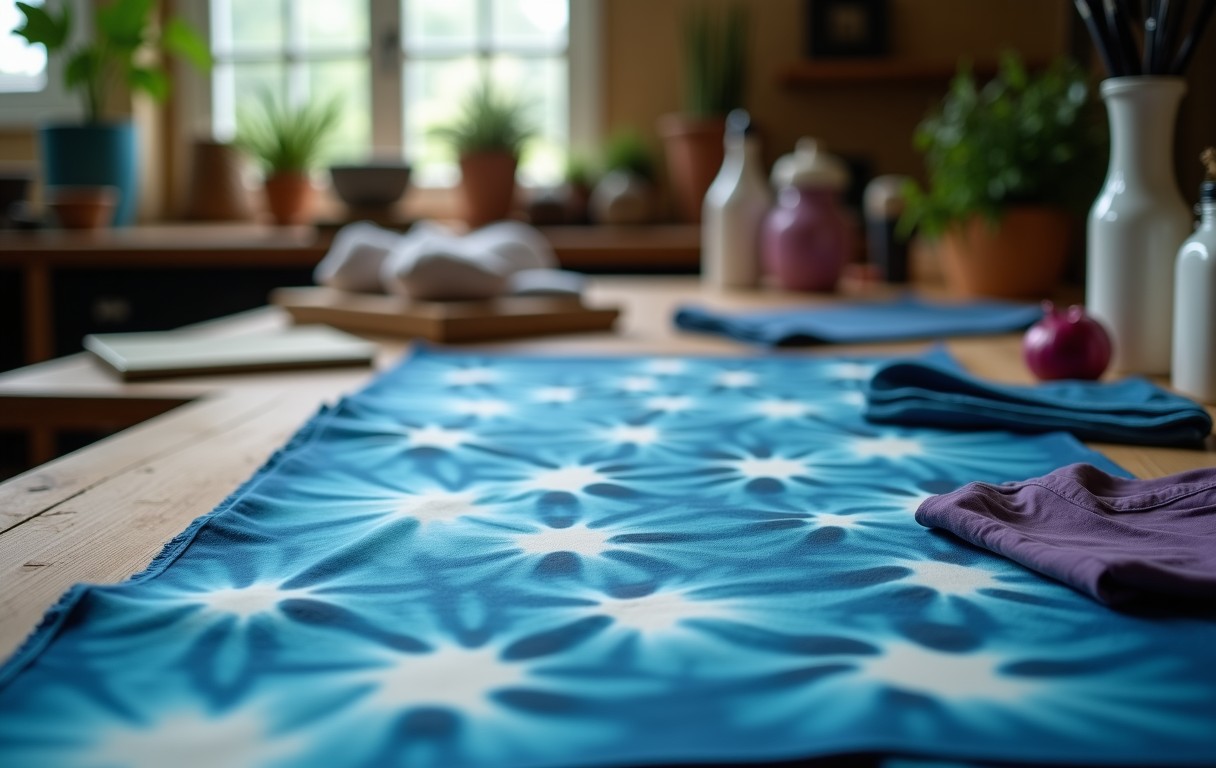
Ghana: Dye Lab Dye Lab’s atelier in Accra feels more like a chemistry lab than a fashion house. Founder Akosua Afriyie-Kumi experiments with natural indigo, hibiscus, and onion skins to create tie-dye hues that shift with the light. Each piece is hand-dyed in small batches, ensuring no two garments are identical. The brand’s signature “Indigo Moon” collection uses 100 % organic cotton and biodegradable packaging made from banana fibre. Beyond aesthetics, Dye Lab runs a vocational programme teaching young women the lost art of plant-based dyeing, giving them a skill that’s both marketable and kind to the earth.
Nigeria: Lisa Folawiyo Lisa Folawiyo’s Lagos studio is a masterclass in upcycling. The brand sources deadstock ankara fabric—leftover bolts from large manufacturers—and transforms them into structured blazers and fluid gowns. Embellishment is key: every sequin, bead, and embroidery thread is hand-sewn by a collective of female artisans in Lagos and Ibadan. Folawiyo’s “Waste Not” initiative goes further, turning fabric scraps into patchwork clutches and headbands. The brand’s transparency report reveals that 87 % of its materials are either upcycled or organic, and it publishes water and energy savings per collection.
Kenya: SOKO SOKO’s brass jewellery is forged in the foothills of Mount Kenya, where artisans use a combination of traditional lost-wax casting and 3D-printed moulds to minimise metal waste. The brand’s “Connected by SOKO” app lets customers track their piece from raw brass to finished necklace, complete with the artisan’s name and photo. SOKO’s supply chain is entirely carbon-neutral, powered by solar kilns and bicycle couriers. In 2023, the brand diverted 1.2 tonnes of brass from landfill and planted 5 000 indigenous trees in partnership with the Green Belt Movement.
South Africa: Lalesso Lalesso’s kanga dresses are a love letter to East African textile heritage. The brand sources vintage kangas—cotton wraps printed with Swahili proverbs—from markets in Dar es Salaam and Zanzibar, then reimagines them as contemporary silhouettes. Each dress carries the original proverb, turning the garment into a wearable conversation starter. Lalesso’s “Kanga Revival” project employs 40 women in Cape Town’s Khayelitsha township, teaching them pattern-cutting and sewing skills. The brand’s closed-loop system ensures that even the smallest off-cuts are repurposed into scrunchies or lining fabric.
Ethiopia: Muya Ethiopia Muya Ethiopia’s hand-woven scarves and throws are crafted from Ethiopian cotton, one of the world’s rarest and most durable varieties. The brand works with 150 weavers across the Amhara and Tigray regions, paying them piece rates that average 40 % above the local market. Muya’s “Seed to Scarf” programme ensures that each scarf has traceability, linking back to the farmer who grew the cotton and the weaver who created it, showcasing the tradition of African beadwork. The brand’s waterless dyeing process uses natural pigments like madder root and weld, reducing effluent by 95 % compared to conventional methods.
Uganda: Mashach Jewellery Mashach’s brass earrings begin life as spent bullet casings collected from Ugandan military ranges. The casings are melted down, hand-hammered, and polished into bold geometric shapes. Founder Shamim Naluyima, a former refugee, employs 12 artisans in Kampala, all of whom receive free healthcare and childcare. Mashach’s “Brass for Peace” initiative donates 10 % of profits to demining programmes in northern Uganda. The brand’s packaging is made from recycled paper embedded with wildflower seeds, so customers can plant it after unboxing.
How to Spot a Truly Eco-Friendly African Craft Brand
Not every brand that slaps “eco” on its tag deserves the label. The first red flag is vagueness: if a website says “sustainably sourced” without naming the material or the region, it’s likely greenwashing. A genuine eco-brand will tell you exactly where the cotton was grown (down to the village), how the dye was made (hibiscus, not synthetic), and who stitched the piece (with a photo and wage breakdown). Look for third-party certifications like Fair Trade Africa, GOTS (Global Organic Textile Standard), or the African Craft Mark, which audits brands for environmental and social compliance.
Transparency extends to pricing. A hand-woven basket that retails for £25 is almost certainly underpaying the artisan. Ethical brands break down costs: £5 for raw materials, £10 for labour, £3 for packaging, £2 for shipping, and £5 for the brand’s overhead and profit. If the maths doesn’t add up, neither does the ethics. Another clue is the brand’s relationship with waste. Do they offer repairs? A take-back scheme? A compostable mailer? Lalesso, for example, will mend any of its kanga dresses for free, while SOKO’s brass pieces come with a lifetime polishing service. These aren’t gimmicks; they’re proof that the brand sees its products as long-term relationships, not disposable commodities.
The Hidden Cost of Fast Fashion’s African “Inspiration”
Walk through any high-street chain and you’ll see it: Ankara prints churned out in polyester, Maasai beadwork replicated in plastic, mud-cloth patterns screen-printed onto rayon. These designs are lifted wholesale from African craft traditions, yet the profits rarely return to the communities that created them. Worse, the environmental toll is outsourced. A 2023 report by the Clean Clothes Campaign found that 60 % of fast-fashion brands sourcing “African-inspired” textiles manufacture in countries with weak environmental regulations, dumping toxic dye effluent into rivers that African artisans rely on for their own natural dyeing processes.
The irony is bitter. The same brands that exploit African aesthetics for profit then undercut African artisans by selling cheaper, lower-quality versions. A hand-woven Kente stole from Ghana might retail for £120, while a machine-made knock-off sells for £25. The difference isn’t just in the price tag; it’s in the water used (30 litres for the handwoven piece, 2 700 litres for the fast-fashion version), the carbon footprint (local transport vs. global shipping), and the livelihoods supported (one artisan family vs. a sweatshop). When you choose an eco-friendly African craft brand, you’re not just buying a product; you’re voting against a system that turns cultural heritage into disposable trend pieces.
Where to Buy: Curated Platforms for Conscious Shoppers
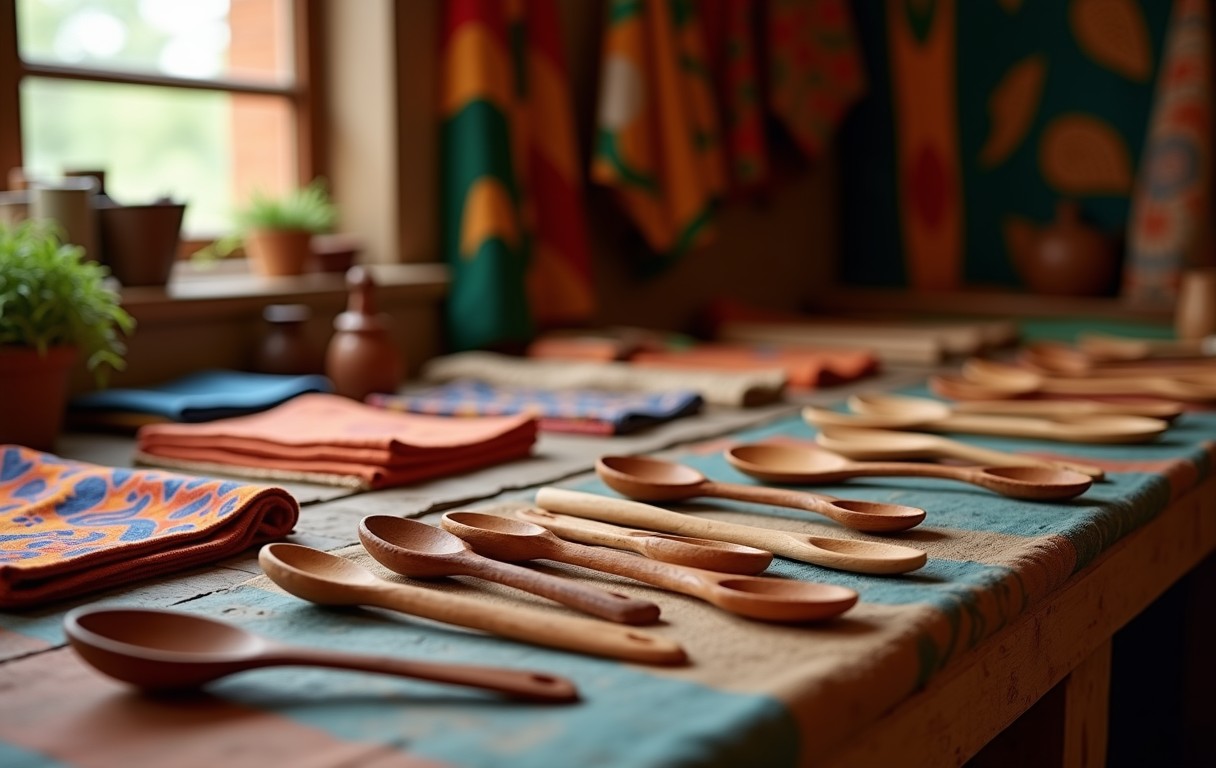
Finding these brands outside Africa can feel like treasure hunting, but a handful of platforms have made it their mission to bring eco-friendly African craft to global wardrobes. Adjoaa, based in London, curates a tightly edited selection of brands like Mashach and SOKO, with detailed artisan stories and carbon-neutral shipping. The African Craft Mark’s online marketplace verifies every seller for ethical and environmental standards, offering everything from hand-carved wooden spoons to hand-dyed silk scarves. For those who prefer to try before they buy, Ushirika.pl’s own pop-up events in Warsaw and Kraków feature trunk shows from brands like Dye Lab and Lalesso, complete with workshops on natural dyeing and upcycling.
If you’re after a single statement piece, consider a “slow fashion subscription” like The Folklore’s quarterly box. Each box includes one garment or accessory from an African designer, accompanied by a booklet on the brand’s sustainability practices and a seed paper postcard to plant. For jewellery lovers, SOKO’s “Artisan of the Month” programme offers a limited-edition piece designed in collaboration with a featured maker, with 20 % of profits going back to the artisan’s community. These platforms don’t just sell products; they sell context, connection, and a chance to be part of a movement that values people and planet as much as profit.
Caring for Your Eco-Friendly African Crafts
Buying sustainably is only the first step; keeping your pieces in circulation for years is what truly reduces their footprint. Start with storage: natural fibres like cotton, linen, and silk need to breathe. Store them in cloth bags or cedar-lined boxes, never plastic, to prevent mildew. For wooden beads or brass jewellery, a drop of jojoba oil on a soft cloth will keep them lustrous without harsh chemicals. When washing hand-dyed textiles, use cold water and a gentle soap like Marseille soap flakes—never bleach, which can strip natural dyes. Hang garments to dry in the shade; direct sunlight will fade indigo and hibiscus hues.
Repair is the new recycle. A loose bead on a Maasai necklace or a frayed edge on a Bogolan throw isn’t a reason to discard; it’s an opportunity to deepen your connection to the piece. Many brands offer repair services—Lalesso will mend any of its kanga dresses for free, while Muya Ethiopia provides a DIY repair kit with every scarf. If you’re handy with a needle, learn basic visible mending techniques like sashiko or boro; these Japanese methods not only fix tears but turn them into decorative features. For brass or silver jewellery, a jeweller’s polishing cloth will remove tarnish without toxic dips. And when a piece truly reaches the end of its life, compost the natural fibres (cotton, linen, silk) and recycle the metal components. Even the smallest scrap can become part of the next cycle.

I’m fascinated by the vibrant intersection of contemporary fashion and traditional African craftsmanship. I spend my free time exploring markets, learning about textile techniques, and sharing the stories behind each piece with our readers.