
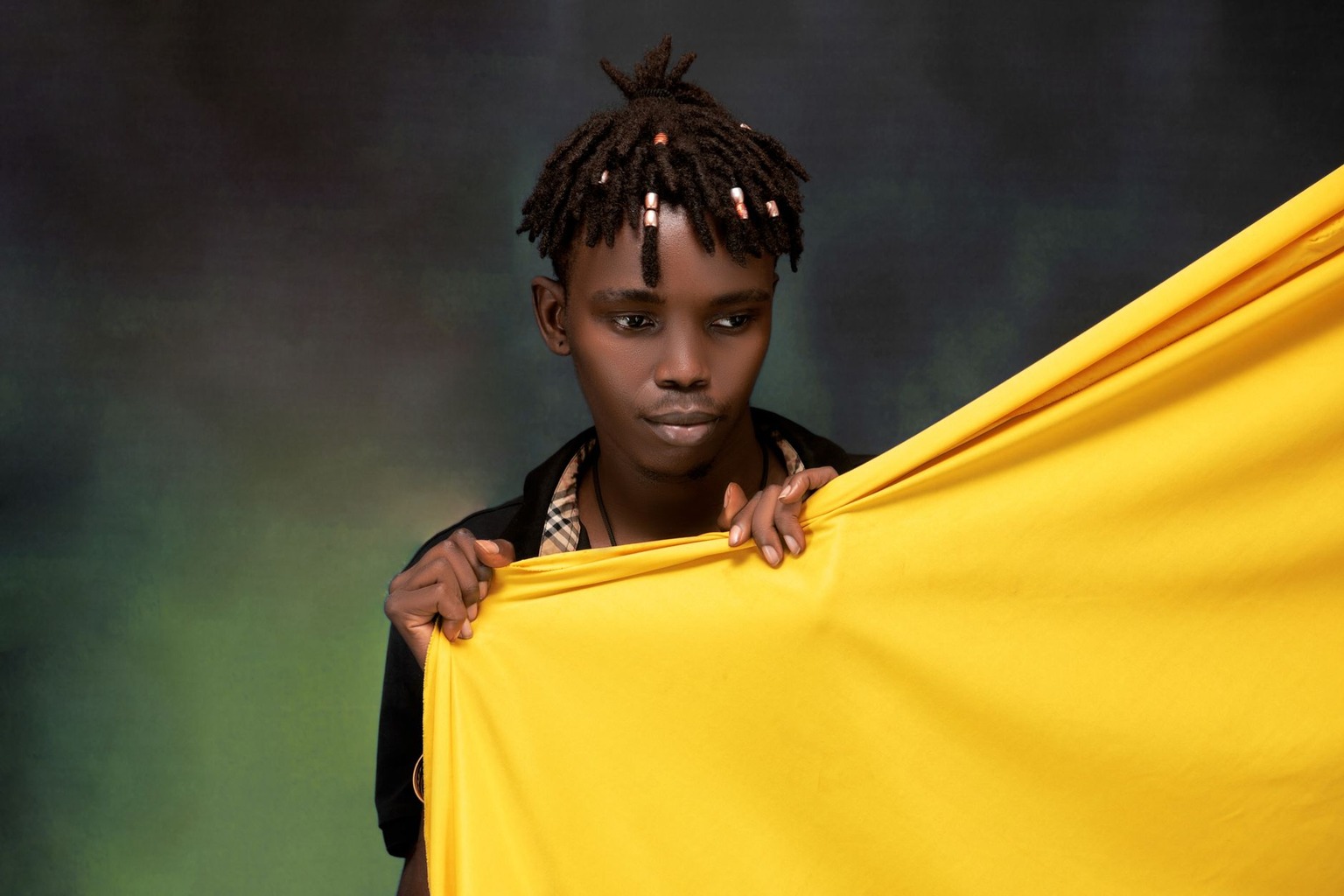
Yellow wax print fabric has become a defining staple in West African and global fashion wardrobes, offering a vibrant alternative to standard cottons during the warm months. The specific hue of yellow carries deep cultural weight, often symbolising joy, prosperity, and the warmth of the sun, which makes it an ideal choice for summer collections that aim to radiate energy. Selecting the right pattern requires more than just picking a bright colour; it involves understanding the wax resist dyeing process and how different motifs interact with light and movement. You will learn how to evaluate fabric quality, choose silhouettes that complement bold prints, and avoid common styling errors that can make a beautiful garment look dated or ill-fitting. This guide breaks down the practical steps for building a summer wardrobe centred on authentic wax textiles.
Evaluating Fabric Quality Before Purchase
Start by examining the physical texture of the fabric, as genuine wax print has a distinctive hand feel that synthetic imitations struggle to replicate. Run your fingers over the surface to detect the subtle cracking pattern known as craquelure, which forms during the cooling phase of the dyeing process and serves as a hallmark of authenticity. High-quality pieces usually weigh between 200 and 300 grams per square metre, providing enough structure to hold shape without feeling heavy or stiff against the skin. Cheaper alternatives often use a smooth, plastic-like finish that lacks this natural irregularity and tends to fade rapidly after just a few washes.
Check the edges of the fabric roll for consistency in colour saturation, because uneven dyeing indicates poor quality control at the production stage. A reliable source will have tight, even weaves with no visible gaps or loose threads that could unravel during tailoring. If you are buying from a local market, compare several samples side by side under natural light to see how the yellow tones shift between different batches. The best pieces maintain a consistent hue across the entire length, ensuring that your finished garment will look uniform rather than patchy.
Pay close attention to the backside of the material, which should show a slightly muted version of the front pattern due to the wax layer blocking some dye penetration. This contrast is normal and confirms that the fabric was processed correctly through multiple dye baths. If the reverse side looks identical to the front or shows signs of excessive bleeding, the wax application was likely uneven. Investing in a high-grade textile now saves you from dealing with shrinkage or colour migration later, which can ruin an entire outfit.
Selecting Motifs That Reflect Summer Energy
Choose geometric patterns that feature open spaces and lighter secondary colours to prevent the yellow base from looking overwhelming in bright sunlight. Large-scale floral motifs or abstract shapes work well because they break up the solid colour with negative space, creating a visual rhythm that feels airy and breathable. Avoid dense, intricate designs packed with tiny details, as these can appear cluttered and visually heavy when paired with other summer accessories. The goal is to let the yellow shine without competing with overly busy surroundings.
Consider the cultural origin of specific patterns, such as the traditional Ankrare or Dutch wax styles, which often incorporate symbolic elements that resonate with seasonal celebrations. Some motifs feature suns, stars, or flowing water, all of which align naturally with summer themes and enhance the garment’s narrative. Understanding these symbols adds depth to your styling choices and allows you to select pieces that tell a personal story rather than just displaying a random print. This connection to heritage makes the outfit feel intentional and meaningful.
Test how the pattern flows when you drape the fabric over your shoulder or hang it on a hanger, observing how the design moves with the body’s natural curves. Certain layouts look better on specific silhouettes; for example, vertical stripes or elongated shapes can create an illusion of height that complements shorter summer dresses. Horizontal patterns tend to widen the appearance, which might be desirable for a relaxed, beachy vibe but less ideal for a fitted office look. Matching the motif’s direction to your desired silhouette ensures the print works with you rather than against you.
Tailoring Silhouettes for Hot Weather Comfort
Opt for loose, flowing cuts such as A-line skirts or wide-leg trousers that allow air to circulate freely around the body. Tight-fitting garments made from wax print can trap heat and cause discomfort during long summer days, so prioritise ease of movement in every seam. A tailored waistband provides structure without restricting breathability, striking a balance between elegance and practical comfort for outdoor activities. Ensure that hems are finished with clean, flat edges to prevent chafing against skin exposed by shorter sleeves or legs.
To help you choose the right material, the channel Ankarawholesaleandretail covers essential buying tips for Ankara fabric, which you can watch right here.

Incorporate functional details like side pockets or adjustable ties, which add utility to the garment without compromising its aesthetic appeal. These small features make the outfit more versatile, allowing you to transition from a casual brunch to an evening walk without changing clothes. The fabric’s weight supports these additions well, holding their shape even after repeated use in warm conditions. Avoid excessive layering or bulky embellishments that add unnecessary heat and bulk to the silhouette.
Consult with a tailor experienced in African textiles before cutting any new pieces, as wax print behaves differently from standard cotton or linen during sewing. The fabric can be slippery under the needle, requiring specific pins and techniques to keep layers aligned without shifting. Ask for a test seam on a scrap piece to check stitch tension and prevent puckering that might become visible under the bright sun. Professional finishing touches elevate the garment’s quality and ensure it lasts through multiple summer seasons.
Styling Colours and Accessories with Intent
Pair your yellow wax print pieces with neutral tones like white, beige, or soft grey to let the vibrant hue remain the focal point of the outfit. Avoid clashing with other bright colours that compete for attention, as this can create a chaotic visual effect that distracts from the fabric’s beauty. Simple, solid-coloured accessories in leather or wood complement the natural textures of the print without introducing conflicting patterns. Keep jewellery minimal and understated to maintain a clean, sophisticated look that suits the casual nature of summer wear.
Select footwear that matches the occasion, choosing open-toe sandals or lightweight sneakers for daytime events and slightly dressier flats for evening settings. The right shoes ground the outfit and prevent it from looking too costume-like, which is a common concern when wearing bold ethnic prints in Western contexts. Ensure your footwear is comfortable enough for walking, as summer plans often involve long hours on your feet. Neutral shoe colours bridge the gap between casual and formal seamlessly.
Add a lightweight scarf or hat in a complementary solid colour to protect against the sun while enhancing the overall ensemble. These accessories serve a dual purpose, providing practical shade and adding a touch of style that ties the look together. Choose natural fibres like cotton or linen for these items to ensure they breathe well and do not add extra heat. This thoughtful layering shows attention to detail and elevates the outfit from simple to stylish.
Caring for Wax Print in Humid Conditions
Wash your yellow wax print garments by hand or on a gentle cycle with cold water to prevent the dyes from fading or bleeding onto other clothes. Use a mild detergent free from harsh chemicals that can degrade the wax layer over time, which is essential for maintaining the fabric’s unique texture and colour depth. Avoid using a dryer, as high heat can cause the fabric to shrink or warp, altering the fit of your carefully tailored pieces. Air drying in the shade preserves the shape and prevents UV damage that can yellow already bright fabrics.
Store your garments in a cool, dry place away from direct sunlight, which can cause even high-quality dyes to lose their vibrancy over time. Use padded hangers to maintain the shape of shoulders and prevent stretching, especially for heavier pieces with structured collars or cuffs. Rotate your outfits regularly to give each garment a rest between wears, allowing the fibres to recover and reducing the risk of premature wear. Proper storage extends the life of your investment significantly.
Address any stains immediately with a gentle spot treatment, as wax print can be sensitive to certain cleaning agents that might leave permanent marks. Test any new product on an inconspicuous area first to ensure it does not react negatively with the dye or wax layer. Regular maintenance keeps your summer wardrobe looking fresh and vibrant throughout the season. Consistent care is the key to enjoying your favourite pieces for years to come.
Avoiding Common Styling Mistakes
Resist the urge to match every single element of your outfit with the same yellow wax print, as this can create a monotonous look that lacks visual interest. Mix and match different patterns or textures within the same colour family to add depth and dimension without overwhelming the viewer. For example, pair a yellow wax print dress with a plain white top or a textured cardigan for contrast. This approach keeps the focus on the main garment while adding sophistication.
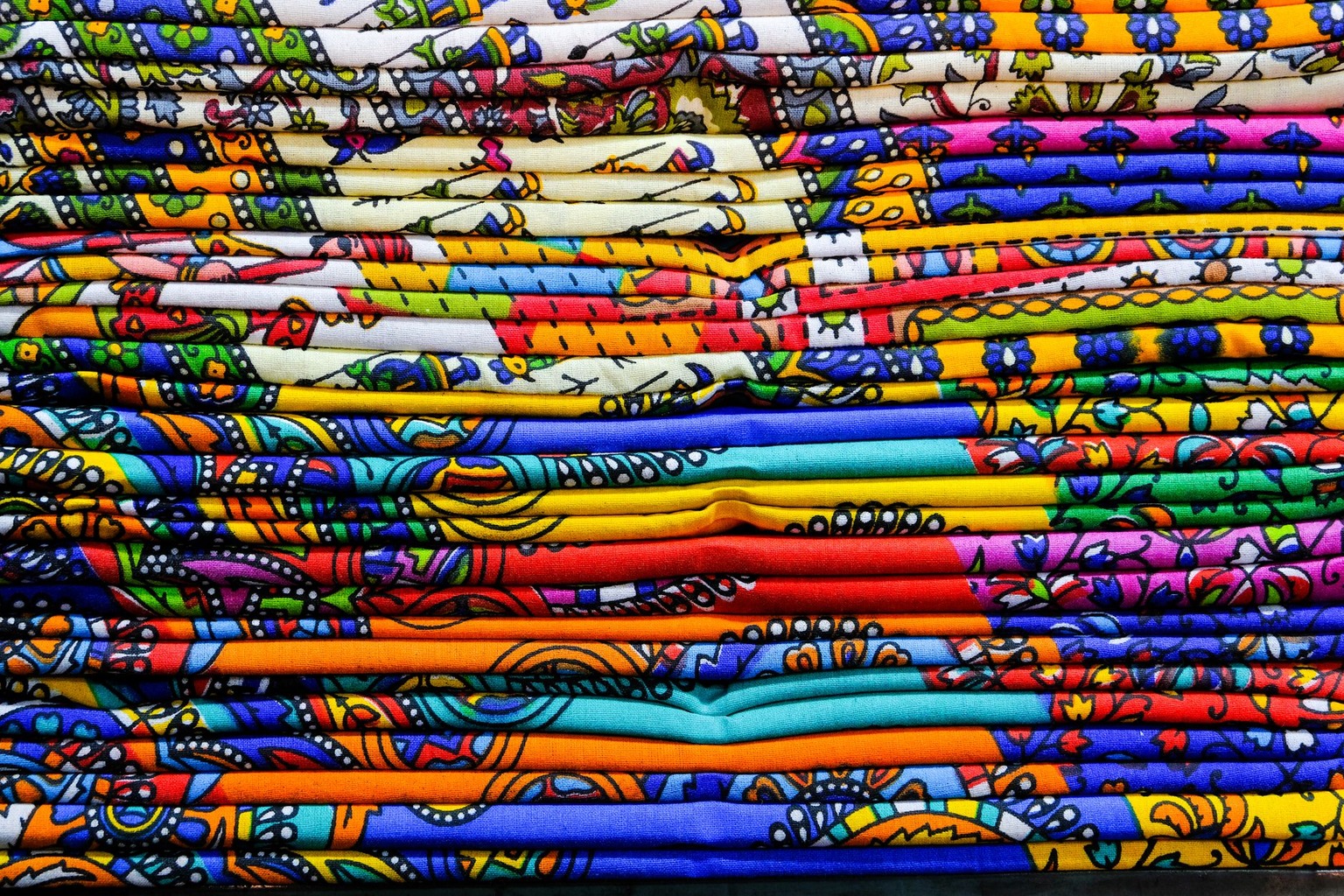
Be cautious about wearing wax print in formal office settings where strict dress codes may view bold prints as too casual or distracting. If your workplace allows it, choose more subdued patterns with smaller motifs and darker yellow tones that appear more professional from a distance. Save the brightest, most vibrant pieces for weekend outings, holidays, or creative environments where self-expression is encouraged. Understanding the context of your environment helps you make appropriate choices.
Do not ignore the fit in favour of the print, as a poorly tailored garment will look unflattering regardless of how beautiful the fabric is. Ensure that seams align properly and that the length suits your height, adjusting hems if necessary to avoid dragging on the ground. A well-fitted piece drapes elegantly and moves with you, enhancing your natural posture and confidence. Take the time to get alterations done to achieve a perfect fit.
Sourcing Authentic Pieces Ethically
Support brands and artisans who use traditional wax resist dyeing techniques, ensuring that your purchase contributes to the preservation of cultural heritage and fair labour practices. Look for labels or descriptions that specify the origin of the fabric and the methods used in its production, which adds transparency to your buying decision. Buying directly from African designers or fair-trade cooperatives often means higher quality and a positive impact on local communities. This ethical consideration aligns with modern values of sustainable fashion.
Research the specific regions known for their unique wax print traditions, such as West Africa, where styles vary significantly by country and even by city. Understanding these regional differences helps you appreciate the diversity within the broader category and allows you to choose pieces that reflect specific cultural narratives. Each region has its own colour palettes and motif preferences, adding another layer of meaning to your selection. This knowledge enriches your appreciation for the craft.
Verify the authenticity of online sellers by reading reviews from other customers and checking for detailed photos of the actual fabric texture. Be wary of prices that seem too good to be true, as they often indicate synthetic imitations rather than genuine wax print. Building a relationship with reputable suppliers ensures you receive consistent quality and accurate information about the products you buy. Trust is built through transparency and reliability.

I’m fascinated by the vibrant intersection of contemporary fashion and traditional African craftsmanship. I spend my free time exploring markets, learning about textile techniques, and sharing the stories behind each piece with our readers.