
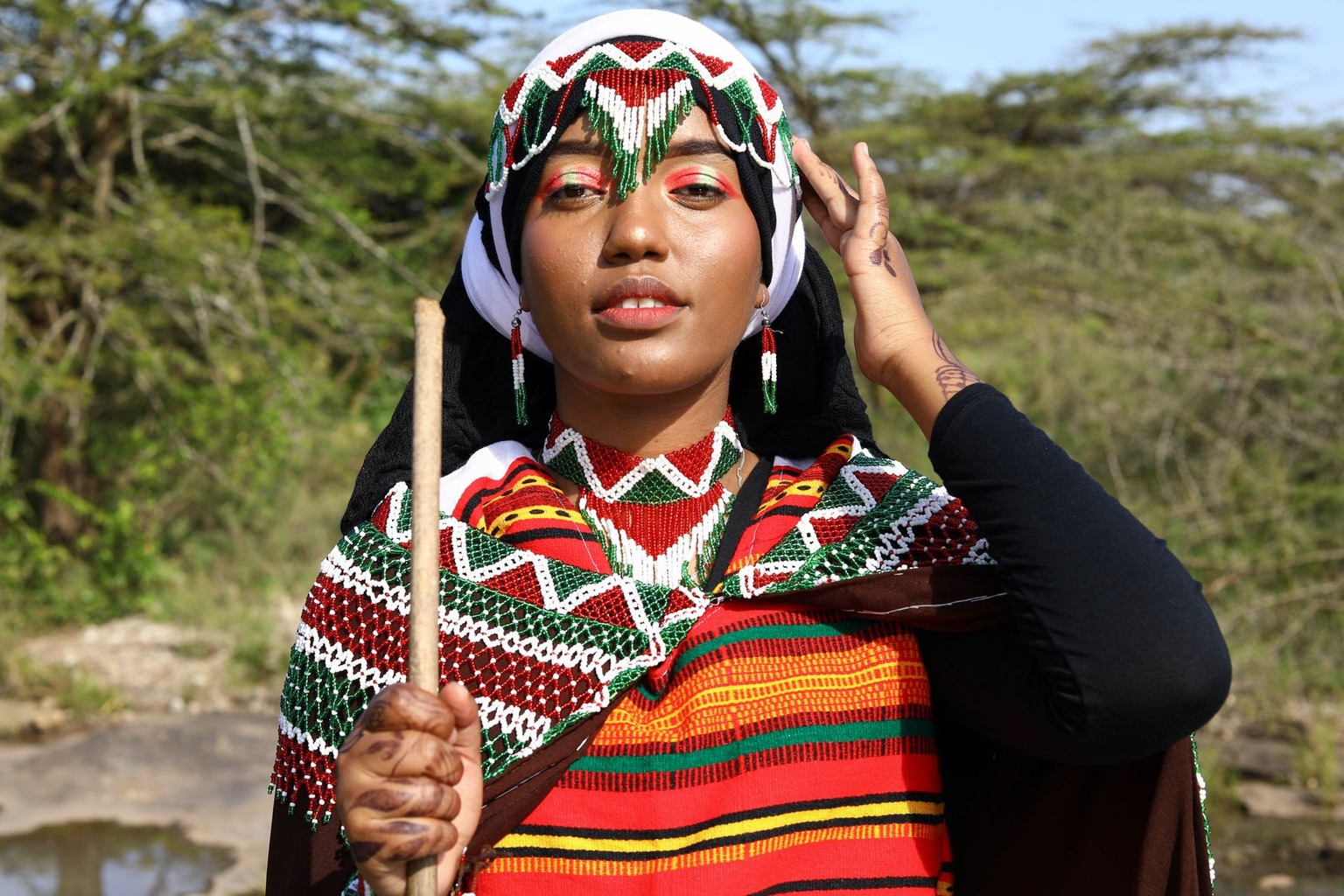
To create a wardrobe that blends traditional African craftsmanship with everyday clothing, it’s crucial to know how to identify authentic African crafts when selecting accessories. Many enthusiasts overlook the fact that ankara jewelry serves as the critical bridge between bold textile patterns and polished, contemporary silhouettes. This guide breaks down the exact process for curating pieces that hold their cultural integrity while remaining versatile enough for office settings, evening events, and casual weekends. You will learn how to assess material quality, match colour palettes to specific fabrics, and avoid the common pitfalls that dilute the visual impact of your ensemble.
Sourcing Authentic Materials and Understanding Craft Origins
The first step in building a reliable collection involves verifying the provenance of the materials you intend to purchase. Genuine handcrafted pieces typically feature recycled glass beads, local copper alloys, or sustainably harvested cowrie shells that carry specific regional signatures. When examining a necklace or bracelet, look for slight irregularities in bead spacing and metal finishing that indicate human manipulation rather than factory precision. These micro-variations are the primary markers of authenticity that separate artisanal work from mass-produced imitations found in fast fashion retailers.
Understanding the specific origin of a piece helps you appreciate its cultural weight and allows for more informed conversation at social events. Artisans in West Africa often weave symbolic designs, like Adinkra symbols or Kente-inspired patterns, into their metalwork and African beadwork jewelry. You should ask sellers about the workshop where the item was created and whether the raw materials were sourced locally or imported. This transparency ensures that your purchase supports a specific community rather than a generic supply chain, which is essential for maintaining ethical consumption habits.
Budget considerations also play a significant role in this sourcing phase, as handcrafted items generally command higher price points due to the time-intensive nature of their production. A simple beaded choker might cost significantly less than a layered copper cuff, but the difference in durability and design complexity is substantial. Setting a clear financial boundary before you begin shopping prevents impulse buying and helps you prioritise pieces that offer the best balance of aesthetic value and longevity for your personal collection.
Assessing Colour Harmony with Ankara Fabrics
Selecting the right metal tone or bead colour is far more complex than simply matching the brightest hue in your textile. Ankara fabrics often contain five to seven distinct colours within a single print, making it impossible to coordinate every element without creating a chaotic visual noise. The most effective strategy is to identify the secondary or tertiary colour in the pattern and use that as your anchor point for the accessory. This approach creates subtle cohesion rather than obvious repetition, allowing the fabric to remain the focal point of the outfit.
Gold-toned metals pair beautifully with warm tones like terracotta and deep reds, which are common in West African wax prints, adding vibrancy to designs. Silver or copper accents work exceptionally well with cooler palettes featuring teal, navy, or forest green, providing a crisp contrast that sharpens the overall look. If your fabric features a complex mix of both warm and cool hues, neutral metallics such as brushed brass or antique bronze offer a safe middle ground that does not compete with the textile intensity. These metals absorb light differently than polished gold, creating a softer interaction with the cotton or silk surface.
When designing beaded accessories, understanding Zulu beadwork techniques helps replicate intricate fabric patterns. When choosing a beaded bracelet or necklace, look for clusters that repeat the geometric shapes found in your Ankara print rather than solid colour blocks. This echo of pattern creates a sophisticated dialogue between the accessory and the clothing, demonstrating a deeper understanding of design principles. Avoid beads that are larger than the largest motif in your fabric, as this scale mismatch disrupts the visual rhythm and makes the ensemble appear disjointed and unbalanced.
Matching Silhouettes to Occasion and Fabric Weight
The physical weight and drape of your garment dictate which accessory silhouettes will remain comfortable and visually appropriate throughout the day. Heavy cotton Ankara dresses with structured shoulders can support chunky statement necklaces and wide bangles without appearing overwhelmed or top-heavy. For lighter, flowing fabrics such as chiffon or thin silk blends, delicate pendant chains and slender cuffs maintain proportion and prevent the outfit from looking cluttered. Assessing the neckline shape is equally important, as a V-neckline naturally draws the eye downward, making a long pendant ideal, while a boat neck benefits from shorter, wider chokers that fill the upper chest area.
On EraGem they explain how to match necklaces with necklines — you can watch it right here.

Professional environments require a more restrained approach to accessory selection, even when the fabric itself is vibrant. Opt for single-strand bead necklaces or minimalist hoop earrings that sit close to the body and do not distract from your professional presence during meetings or presentations. Save the larger, dangling pieces for creative industries or social gatherings where personal expression is encouraged. This strategic separation ensures that you can wear your ankara jewelry in diverse settings without feeling that you are violating implicit dress codes or appearing overly flashy.
Evening events present an opportunity to layer multiple pieces for a dramatic effect that holds up under artificial lighting. Combine a statement necklace with matching drop earrings and a delicate bracelet to create a cohesive set that feels intentional rather than random. Ensure that the metal finishes across all pieces are identical, as mixing gold and silver in a single outfit can look accidental unless done with deliberate contrast. The goal is to achieve a polished finish where each element supports the others, creating a unified visual narrative that commands attention without demanding it aggressively.
Navigating Care and Longevity for Delicate Pieces
Proper storage is the single most effective way to extend the lifespan of your handcrafted accessories, particularly those made from organic materials. Store beaded items in individual fabric pouches to prevent tangling and scratching, as beads can easily chip when they rub against harder metals or other beads. Metal pieces should be kept in airtight containers with anti-tarnish strips to protect them from humidity and air exposure that cause oxidation over time. Avoid hanging delicate chains on open hooks, which can stretch the links over months of wear and alter the intended shape of the piece.
Cleaning routines must be tailored to the specific materials involved, as generic jewelry cleaners can damage natural fibres or unsealed wood components. For beaded pieces, use a soft, dry cloth to gently wipe away dust and oils, avoiding liquid cleaners that may weaken the thread holding the beads together. Metal items can be polished with a dedicated silver or gold cloth, but always test a small, inconspicuous area first to ensure the polish does not react negatively with any patina or coating. Consistent, gentle maintenance keeps the colours vibrant and the structural integrity intact for years of regular use.
Understanding how your daily habits affect your accessories helps you anticipate wear and tear before it becomes visible. If you have a habit of putting on your jacket before your jewelry, reposition your routine to put the accessory on last to avoid snagging on fabric or zippers. Similarly, remove rings and bracelets before applying lotions or perfumes, as chemical ingredients can erode metal surfaces and discolor beads over time. These small adjustments in your daily routine preserve the quality of your investment and ensure that each piece remains in peak condition for special occasions.
Avoiding Common Styling Mistakes That Dilute Impact
One of the most frequent errors is over-accessorising, where too many competing pieces distract from the beauty of the Ankara fabric itself. Limit yourself to two or three focal points in any given outfit, such as a statement necklace and one pair of earrings, to maintain visual clarity. Adding a third major piece often creates clutter that makes the ensemble look busy rather than bold. Restraint is key to achieving a polished look that respects both the complexity of the textile and the craftsmanship of the accessory.
Another common mistake is ignoring the scale of your personal features, leading to accessories that overwhelm or disappear against your frame. Larger individuals can often carry heavier, wider pieces without looking top-heavy, while those with smaller frames may find that delicate, finer details suit them better. Experiment in front of a mirror to see how different proportions interact with your body shape and the cut of your clothing. This self-awareness helps you select pieces that enhance your natural presence rather than competing with it for attention.
Mixing incompatible styles can also undermine the aesthetic power of your outfit, particularly when combining modern minimalist designs with traditional African motifs. Ensure that the design language of your accessory aligns with the cultural context of your fabric to create a coherent narrative. For example, pairing a rustic, hand-hammered copper cuff with a structured Ankara blazer creates an interesting contrast that feels intentional and thoughtful. Conversely, mixing overly ornate Victorian-style jewelry with contemporary prints can feel disjointed and historically incoherent, so aim for balance and respect in your combinations.
Building a Versatile Capsule Collection
Starting with a small, curated collection of versatile pieces allows you to maximise the value of your investment while building confidence in your styling choices. Begin with one neutral-toned metal necklace that can complement any colour palette, followed by a pair of simple hoop earrings in a matching finish. These foundational items serve as anchors for your wardrobe and can be paired with almost any Ankara print without clashing. As you gain experience and identify your personal preferences, you can gradually add more specific pieces that reflect your unique taste.
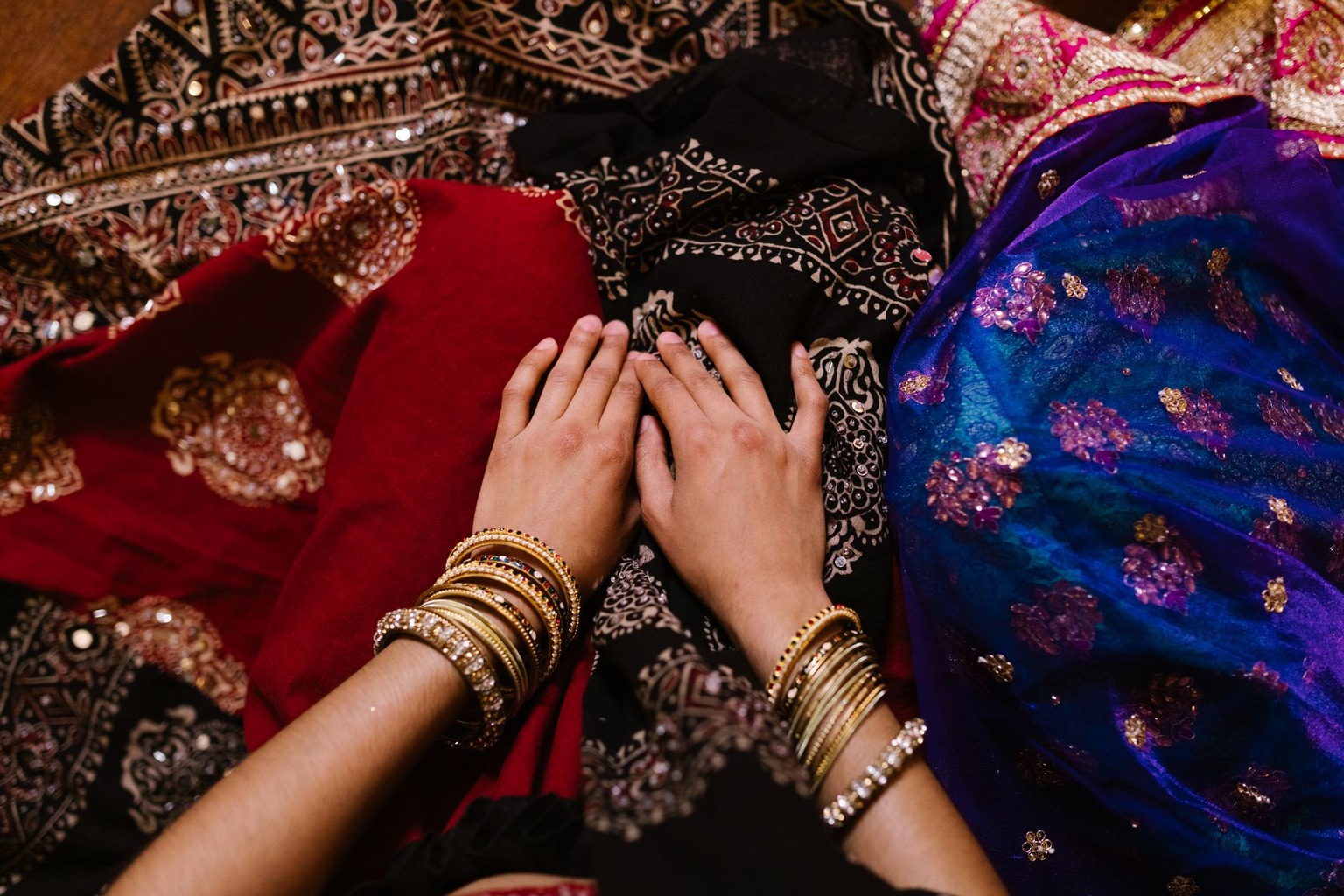
Incorporate one statement piece that holds personal significance or represents a specific regional craft tradition to add depth to your collection. This might be a hand-carved wooden pendant or a beadwork bracelet created by a local artisan whose work you admire. Having at least one piece with a story allows you to engage in meaningful conversations about the cultural heritage behind your accessories. It transforms your jewelry from mere decoration into a medium for sharing knowledge and appreciation of African craftsmanship.
Regularly review your collection to identify gaps or redundancies that may have developed over time. If you find yourself repeatedly reaching for certain pieces while others sit unused, consider rotating your inventory or donating items that no longer serve your style. A well-maintained capsule collection remains dynamic and relevant, evolving with your tastes and experiences. This ongoing curation ensures that every piece in your possession continues to bring you joy and utility.
Integrating Cultural Context into Modern Wardrobes
Wearing African-inspired accessories is an opportunity to engage with the cultural narratives embedded in their designs, but it requires sensitivity and understanding. Take the time to learn about the symbols and meanings associated with specific motifs, such as the protective qualities of certain bead colours or the historical significance of particular metalworking techniques. This knowledge enriches your experience and allows you to wear these pieces with genuine respect and appreciation for their origins. It moves the interaction beyond superficial aesthetics into a deeper connection with the craft.
Supporting ethical brands and direct artisans is crucial for ensuring that the fashion industry continues to value and sustain these traditional crafts. Look for companies that provide transparent information about their supply chains and fair compensation practices for their workers. By choosing to buy from sources that prioritise social responsibility, you contribute to the preservation of these skills for future generations. Your purchasing decisions have the power to shape the market and encourage more sustainable and equitable production methods.
Finally, feel empowered to adapt traditional styles to fit your personal identity without feeling constrained by rigid rules. Fashion is a dynamic form of expression that evolves as individuals interpret and reinterpret cultural elements in their own ways. Whether you prefer subtle accents or bold statements, the key is to wear your ankara jewelry with confidence and authenticity. This personal connection ensures that your style remains genuine and reflective of your unique perspective on global fashion trends.

I’m fascinated by the vibrant intersection of contemporary fashion and traditional African craftsmanship. I spend my free time exploring markets, learning about textile techniques, and sharing the stories behind each piece with our readers.