
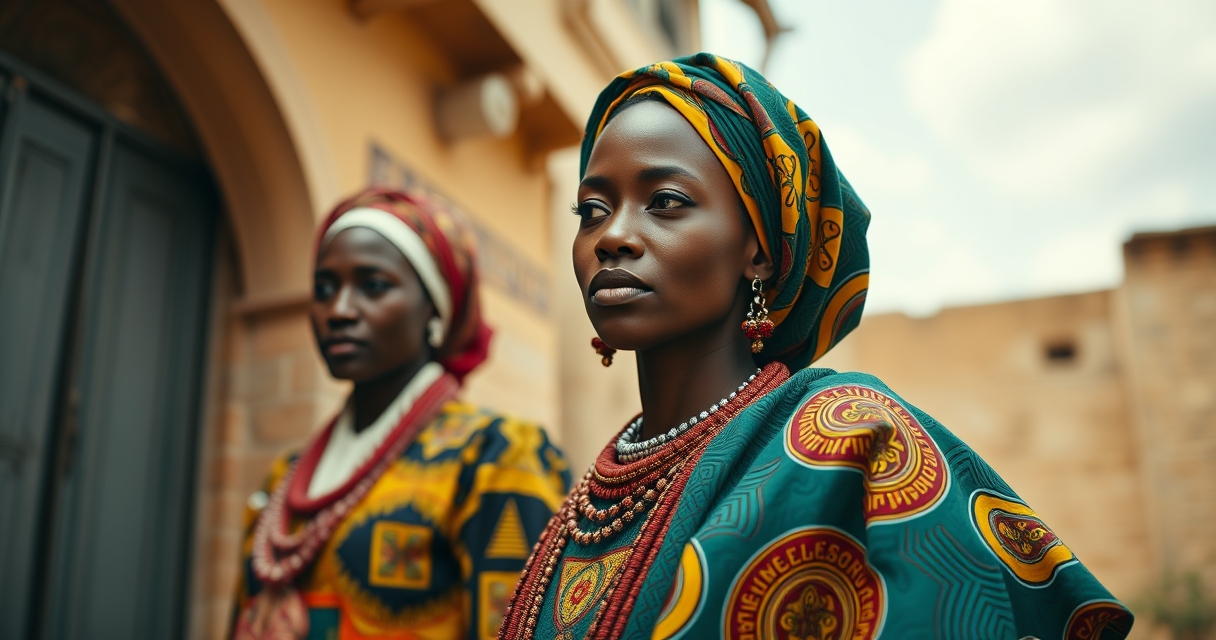
Africa’s sartorial heritage has moved from regional markets to the global stage, reshaping pop culture with its vivid colours, intricate patterns and centuries‑old craftsmanship. Today, the continent’s fashion is not merely a visual statement; it is a narrative that intertwines music, film, street style and digital media, influencing everything from runway collections to viral TikTok dances. This article explores how African fashion has permeated contemporary pop culture, highlighting the textiles, designers and cultural moments that have turned traditional garments into worldwide icons.
From Tribal Regalia to Contemporary Icons: A Historical Overview
The roots of African fashion lie in the diverse ceremonial dress of over fifty‑four nations, each employing locally sourced fibres, dyes and symbolic motifs. In the early twentieth century, colonial exhibitions introduced Western audiences to garments such as the West African ankara wax print and the Ghanaian kente cloth, sparking curiosity that would later evolve into commercial demand. By the 1950s, South African designers began adapting indigenous silhouettes for urban wear, reflecting both resistance to colonial aesthetics and a desire for modern self‑expression. This blend of tradition and innovation laid the groundwork for a fashion language that could speak fluently across continents.
During the post‑independence era, music and film became powerful conduits for African style. Iconic figures like Miriam Makeba and Fela Kuti wore patterned shirts and headwraps that signalled cultural pride, while Nollywood productions showcased vibrant costumes that resonated with diaspora audiences. These early visual cues forged a link between clothing and pop culture, establishing African fashion as a vehicle for storytelling and identity formation.
Signature Textiles That Have Crossed Borders
Among the most recognisable exports are the bold, repeat‑patterned fabrics known as ankara, kente and shweshwe. Ankara, originally inspired by Dutch wax prints, was re‑appropriated by West African tailors who infused it with local motifs, turning the cloth into a canvas for political satire and personal narrative. Kente, hand‑woven from silk and cotton in Ghana, carries a codified colour system where each hue conveys specific meanings—gold for wealth, green for fertility, red for sacrifice. Shweshwe, a printed cotton fabric from South Africa, is prized for its intricate geometric designs and has become a staple in both formal and casual attire.
These textiles have migrated beyond African borders through music videos, celebrity wardrobes and high‑street retail. When Beyoncé donned a kente‑bordered cape at the 2018 Coachella festival, the fabric’s visual impact sparked a surge in demand across Europe and North America. Likewise, the global popularity of “African prints” on fast‑fashion platforms illustrates how these traditional weaves have been reinterpreted for mass markets, while still retaining their cultural resonance.
Music Videos and Celebrity Style: A Visual Dialogue
Music videos have become a primary arena where African fashion asserts its pop‑cultural clout. Afrobeats stars such as Burna Boy, Tiwa Savage and Wizkid routinely showcase bespoke Ankara suits, bead‑embellished jackets and hand‑dyed kaftans, turning each frame into a runway moment. The visual language of these videos—bright lighting, kinetic choreography and close‑ups of textile detail—amplifies the fabrics’ textures, inviting global audiences to associate African patterns with modern luxury.
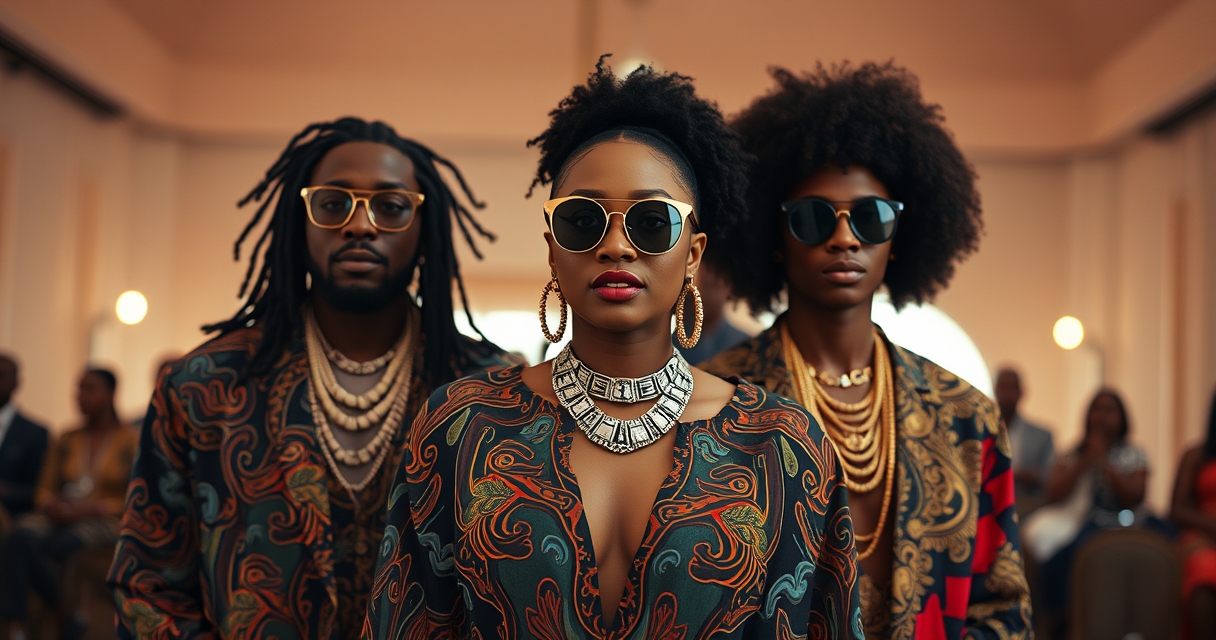
Beyond the African continent, Western artists have embraced the aesthetic. Harry Styles’ 2022 tour wardrobe featured a custom‑made kente blazer, while Rihanna’s 2023 Fenty Fashion Show incorporated shweshwe‑inspired silhouettes, signalling a broader acceptance of African design in mainstream pop culture. These high‑profile adoptions act as cultural bridges, encouraging fans to explore the origins of the garments and, in turn, driving curiosity toward African designers and artisans.
African Designers on Global Runways and Brand Collaborations
Designers such as South Africa’s MaXhosa, Nigeria’s Lisa Folawiyo and Kenya’s Moshions have transformed African motifs into couture that commands attention on Paris, Milan and New York runways. MaXhosa’s “Siyikulture” collection, with its signature zig‑zag knit patterns reminiscent of traditional Xhosa beadwork, sparked both admiration and controversy when a custard‑coloured mishap occurred on a Paris runway, highlighting the tension between authenticity and global spectacle. Yet the incident also underscored the collection’s cultural significance, prompting conversations about the ownership of African aesthetics.
Strategic collaborations further cement this influence. Nike’s “Air Max RK61” campaign paired the shoe with Ivorian football legend Didier Drogba and Malian singer Oumou Sangaré, weaving African narratives into a global sportswear icon. Similarly, luxury house Dior released a limited‑edition trench coat featuring hand‑woven Ghanaian kente, marketed as a tribute to African craftsmanship. These partnerships not only elevate the designers’ profiles but also inject African textile techniques into the DNA of global fashion houses.
Streetwear, Youth Culture and the Rise of Skhothane
The intersection of African fashion and streetwear is perhaps most evident in the rise of the “skhothane” movement, a South African subculture that blends flamboyant tailoring with hyper‑coloured accessories. Originating in the townships of Johannesburg, skhothane draws on vintage tailoring, bold prints and exaggerated silhouettes, creating a visual language that is both rebellious and deeply rooted in local tradition. When MaXhosa’s runway mishap spilled custard over a skhothane‑inspired model, the ensuing media frenzy highlighted the subculture’s growing relevance within global pop culture.
Younger generations across the diaspora echo this ethos through TikTok challenges, where users pair Ankara bomber jackets with sneaker drops, or style kente scarves over streetwear staples. These digital moments amplify African fashion’s visibility, turning once‑regional styles into viral trends that influence retailers worldwide. The result is a feedback loop: streetwear brands adopt African prints, while African designers incorporate contemporary street aesthetics, ensuring the dialogue remains dynamic and mutually enriching.
Beadwork, Jewellery and Accessory Craftsmanship in Pop Culture
Beadwork has long been a hallmark of African artistic expression, from Zulu bead necklaces that encode social status to Yoruba coral beads signifying royalty. In contemporary pop culture, these adornments have transcended ceremonial use to become mainstream fashion statements. Celebrities such as Lupita Nyong’o and Lupita Miller have frequently been photographed wearing intricately beaded collars and cuffs, prompting a surge in demand for authentic African jewellery.
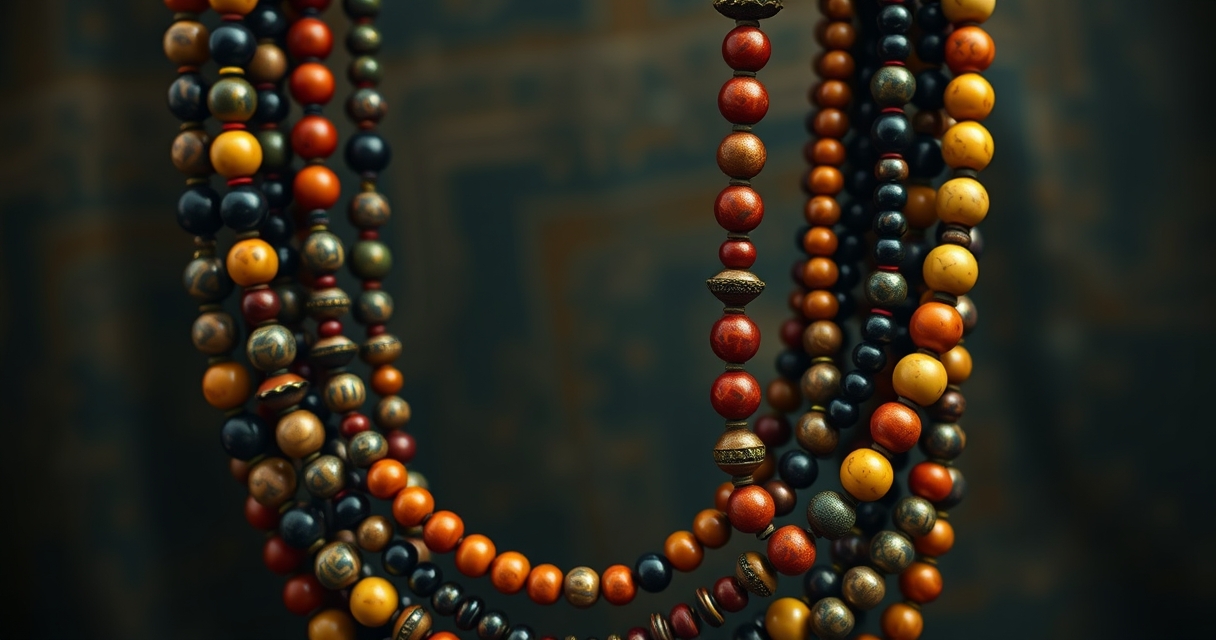
Beyond high‑profile red‑carpet moments, the craft of beadmaking has entered the music industry, with Afrobeats videos showcasing artists draped in beaded headpieces that echo traditional regalia. Moreover, collaborations between African bead artisans and global luxury brands have resulted in limited‑edition collections that celebrate hand‑crafted techniques while offering modern silhouettes. This synergy not only preserves endangered craft skills but also positions African beadwork as a coveted element of contemporary pop culture aesthetics.
Future Trajectories: Sustainability, Digital Archives and Global Dialogue
Looking ahead, the impact of African fashion on pop culture will be shaped by sustainability and digital innovation. Initiatives such as the “Between Histories” archive, which digitises South African pop‑cultural artefacts—including fashion photographs, runway footage and street style documentation—provide scholars and designers with a repository of visual history that can inform future creations. By preserving these records, the archive ensures that the cultural context behind each garment remains accessible, fostering respectful reinterpretation rather than appropriation.
Simultaneously, African designers are pioneering eco‑friendly practices, employing organic cotton, recycled polyester and natural dyes derived from indigo and moringa. These sustainable approaches resonate with a global audience increasingly attuned to ethical consumption, further embedding African fashion within the narrative of responsible pop culture. As collaborations multiply and digital platforms amplify African voices, the continent’s sartorial influence is set to deepen, continuing to colour the world’s pop‑cultural tapestry with its unparalleled vibrancy.

I’m fascinated by the vibrant intersection of contemporary fashion and traditional African craftsmanship. I spend my free time exploring markets, learning about textile techniques, and sharing the stories behind each piece with our readers.