
Integrating traditional textile heritage into contemporary wardrobes requires an appreciation of historical roots and an eye for modern silhouettes. Wearing a textile crown every single day transforms an ordinary outfit into a striking statement of personal identity and cultural connection. Many people struggle with finding the balance between ornate traditional wrapping techniques and the practical demands of a standard morning commute. Careful planning of fabric choices, structural foundations, and folding methods helps create enduring looks suitable for the office, casual errands, or evening gatherings. This analytical breakdown explores the core mechanics of daily textile arrangement and highlights the factors that determine long-term comfort and visual harmony.
Material Selection and Fabric Density Mechanics
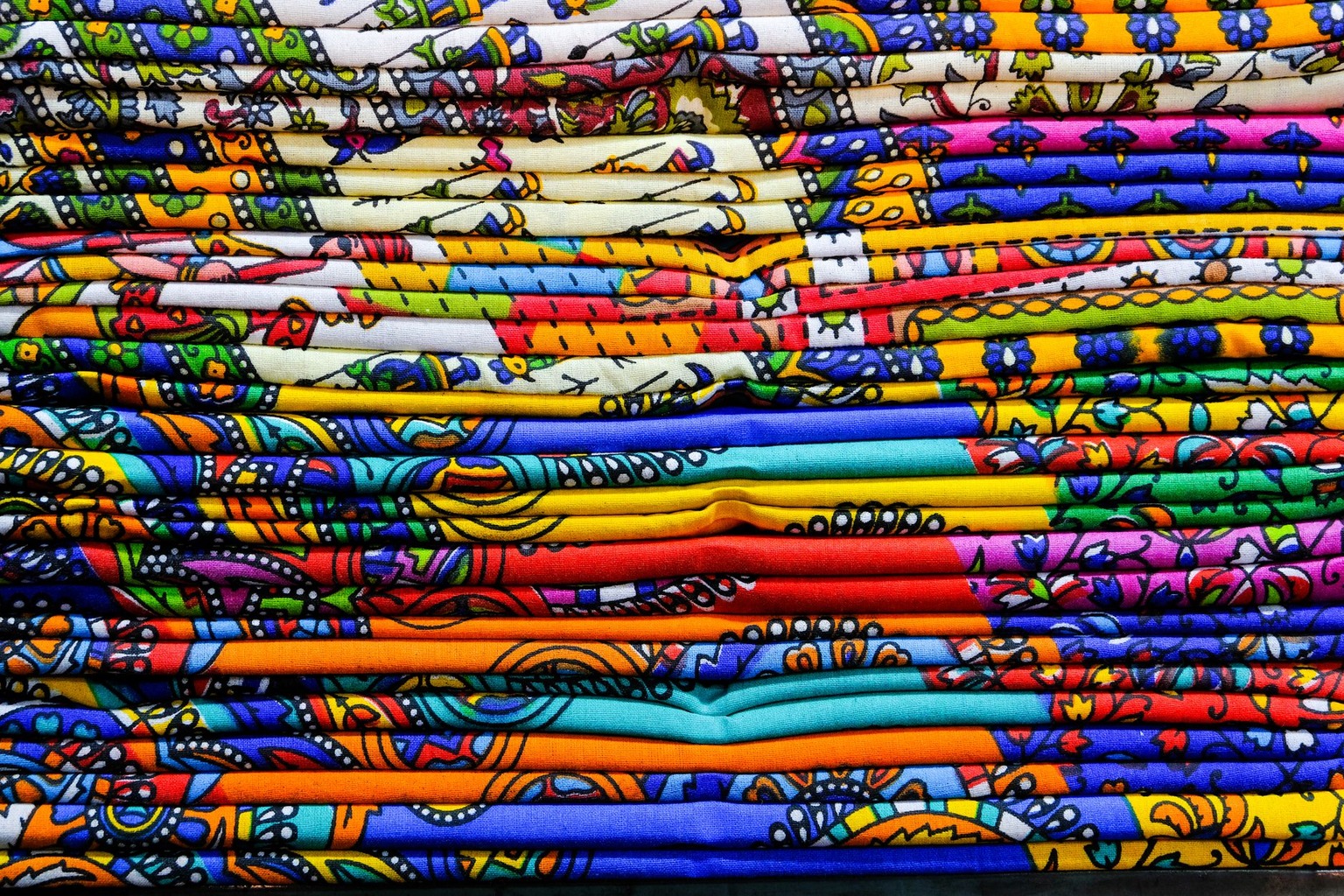
The success of any daily textile arrangement relies heavily on the physical properties of the chosen cloth. Stiff cotton prints hold intricate structural shapes and towering peaks with minimal pins, while slippery silks require textured underscarves to prevent unwanted shifting throughout the day. Selecting a sturdy fabric like Ankara wax print ensures that geometric folds retain their sharp angles from morning until night without drooping. Cotton blends offer a middle ground by providing enough friction to stay secure while remaining soft against the scalp for extended periods. Understanding the weight and drape of your materials prevents common structural failures and keeps your daily styling routine efficient.
Textile thickness dictates how many times a length of cloth can be wrapped around the head before creating excessive bulk or weight. Lightweight cotton lawns allow for elaborate multi-layered stacking without putting uncomfortable pressure on the temples or causing headaches. Heavier brocades demand simpler geometric configurations because the sheer volume of the fabric creates a bold focal point on its own. Paying attention to seasonal climate changes also influences material choice, since breathable linen works best in summer heat while wool blends provide necessary warmth during colder months. A well-curated collection of textiles ensures you always have the right weight for your specific styling goals.
Structural Foundation and Base Preparation
Achieving a balanced and secure daily look starts long before the primary cloth touches your hair. Building a solid under-foundation using a satin cap or a padded velvet headband distributes the weight of the outer textile evenly across the crown. This foundational layer also protects natural hair strands from friction damage and moisture loss caused by direct contact with stiffer woven materials. Securing your hair tightly in flat cornrows or loose buns underneath minimizes bumps that might distort the clean lines of the exterior wrap. Taking five extra minutes to anchor your base correctly guarantees that the final silhouette remains pristine and unmoving.
Hair volume varies greatly among individuals, meaning the foundation must be customized to achieve the desired proportional height and symmetry. Those with finer hair often rely on lightweight foam inserts or bun shapers to create the illusion of fullness required for traditional crown styles. Conversely, individuals with thick natural tresses can use their own hair volume as the primary anchor, reducing the need for artificial padding entirely. Adjusting the placement of your base layer corrects natural asymmetries in head shape and ensures the final wrapping sits perfectly straight. Proper foundation work is the hidden secret behind professional looking headwrap aesthetics that last all day.
Folding Geometries and Wrapping Angles
The visual rhythm of a daily textile arrangement depends entirely on the angles you choose during the initial folding phase. Folding a rectangular piece of fabric into neat longitudinal bands creates clean horizontal stripes that emphasize width and facial symmetry. Alternatively, gathering the cloth into a narrow triangular shape allows for dramatic diagonal sweeps across the forehead and sweeping side knots. Experimenting with different folding widths helps you discover which proportions flatter your specific facial structure and bone definition best. Precision during the folding stage eliminates awkward lumps and ensures the finished piece looks intentional and polished.
INYACO: How to tie a Head Wrap – 5 Ways
Wrapping angles dictate whether the finished style projects a sleek minimalist vibe or an exuberant sculptural aesthetic. Starting the wrap at the nape of the neck and bringing the tails forward creates a striking crown flare above the brow line. Wrapping from the forehead backward offers a more traditional silhouette that tucks away neatly behind the ears for a streamlined profile. Adjusting the tension as you cross the fabric over your head prevents the wrap from sliding backward or putting uneven pressure on your ears. Mastering these geometric fundamentals turns a frustrating morning chore into a swift creative ritual.
Securing Techniques Without Causing Damage
Keeping a textile crown firmly in place without relying on excessive metal hardware requires a solid understanding of friction and tucking physics. Tucking loose ends deeply into preceding folds creates natural tension locks that hold the entire structure together securely. When metal bobby pins are absolutely necessary, sliding them against the grain of the fabric and hair locks them in place much more effectively than straight insertion. Avoiding overly tight knots protects delicate edges and prevents traction alopecia over years of consistent daily wear. Developing a gentle touch during the securing phase preserves the longevity of both your hair and your cherished textiles.
Strategic pin placement focuses on hidden anchor points rather than piercing through the visible outer layers of the fabric. Placing pins behind prominent folds or near the nape of the neck keeps the hardware completely invisible while providing maximum structural stability against wind and movement. For ultra-smooth fabrics, adding a small strip of non-slip silicone tape inside the base layer eliminates the need for pins entirely. Testing the stability of your wrap with a few quick head movements before leaving the house reveals any weak spots that might require an extra tuck. Thoughtful fastening methods ensure you never experience a wardrobe malfunction in the middle of a busy workday.
Color Theory and Wardrobe Integration
When accessorizing with textiles, blending African prints with your wardrobe demands careful attention to color harmony and pattern coordination. A bold, multi-tonal African print can serve as the focal point when paired with a simple, single-colored outfit. Conversely, wearing a solid-coloured textile that mirrors a subtle accent shade in your printed trousers creates a cohesive and intentional look. Considering your skin undertones helps you select fabric hues that illuminate your complexion rather than washing out your natural radiance. Masterful color coordination turns a simple wrapping habit into a sophisticated exercise in personal styling.
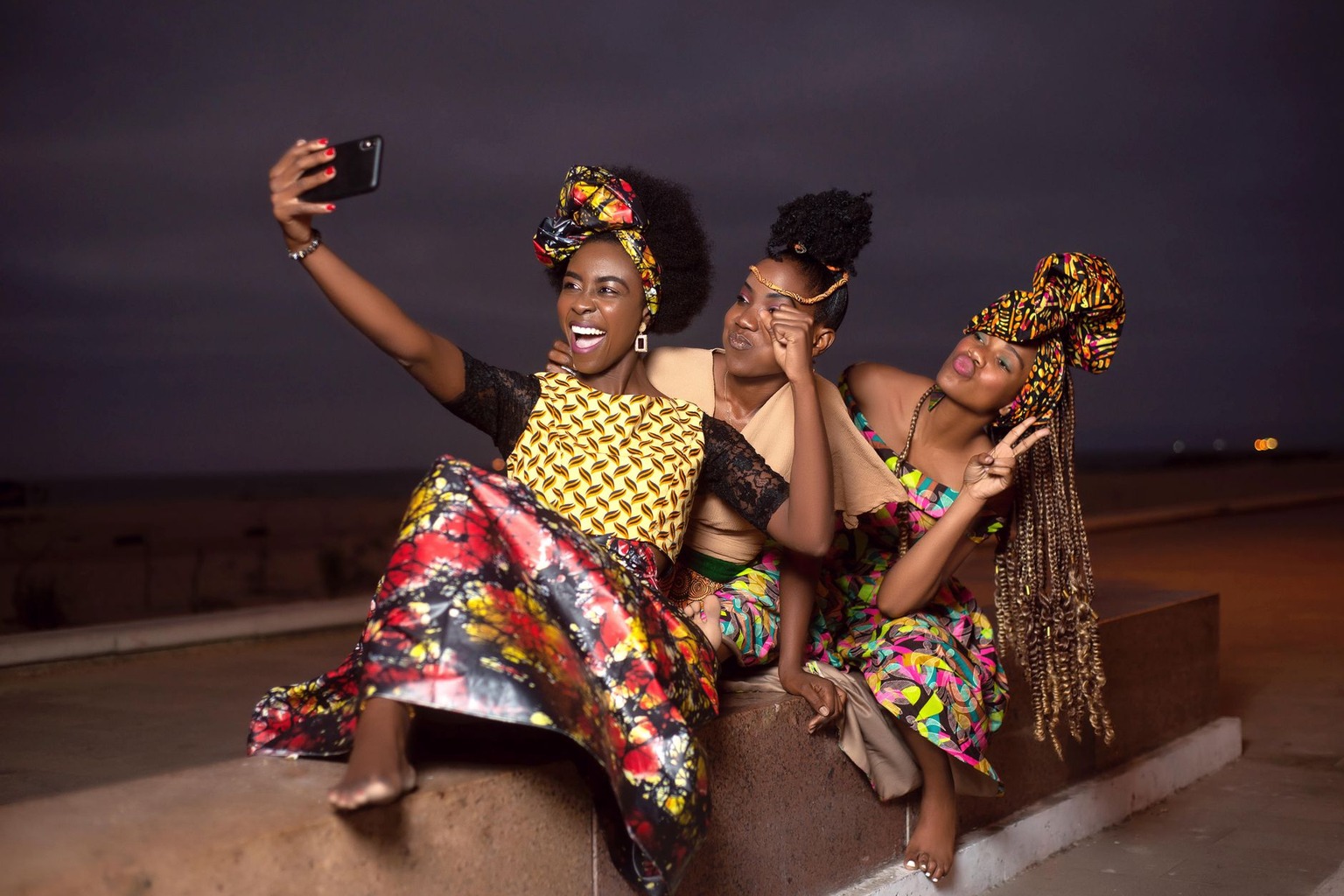
Pattern scaling plays a massive role in how balanced your overall outfit appears to the observer. Combining large, bold geometric prints on your head with equally loud patterns on your shirt creates visual competition that can overwhelm the eye. Pairing large-scale motifs with understated neutral garments lets the intricate details of the craft shine without visual distraction. Mixing different textures, such as pairing a smooth cotton wrap with a textured linen dress, adds depth to your daily appearance even when sticking to a single color family. Intentional styling bridges the gap between traditional heritage wear and modern metropolitan fashion effortlessly.
Maintenance and Fabric Longevity
Preserving the structural integrity and vibrant colours of your daily textiles requires careful washing and storage routines tailored to specific fiber types. Hand washing delicate cotton prints in cold water with mild detergent prevents the dyes from fading and keeps the fabric fibers strong. Avoiding harsh tumble dryers and instead air-drying your textiles flat prevents shrinkage and maintains the crispness needed for sharp daily wrapping. Ironing or steaming your cloths immediately after washing removes stubborn creases that could interfere with clean folding lines later. Treating your collection with respect guarantees that your favourite pieces remain wardrobe staples for many years.
Proper storage prevents permanent creasing and dust accumulation that can degrade natural and synthetic fibers over time. Hanging longer lengths of cloth over padded trouser hangers or rolling them neatly into cylindrical compartments keeps them ready for immediate morning use. Organizing your collection by color and fabric weight saves valuable time when rushing through a busy morning routine to put together a cohesive outfit. Inspecting your textiles regularly for loose threads or small tears allows you to mend minor flaws before they turn into major structural damage. Sustainable wardrobe habits ensure your cultural accessories stay beautiful and functional through countless wears.

I’m fascinated by the vibrant intersection of contemporary fashion and traditional African craftsmanship. I spend my free time exploring markets, learning about textile techniques, and sharing the stories behind each piece with our readers.