
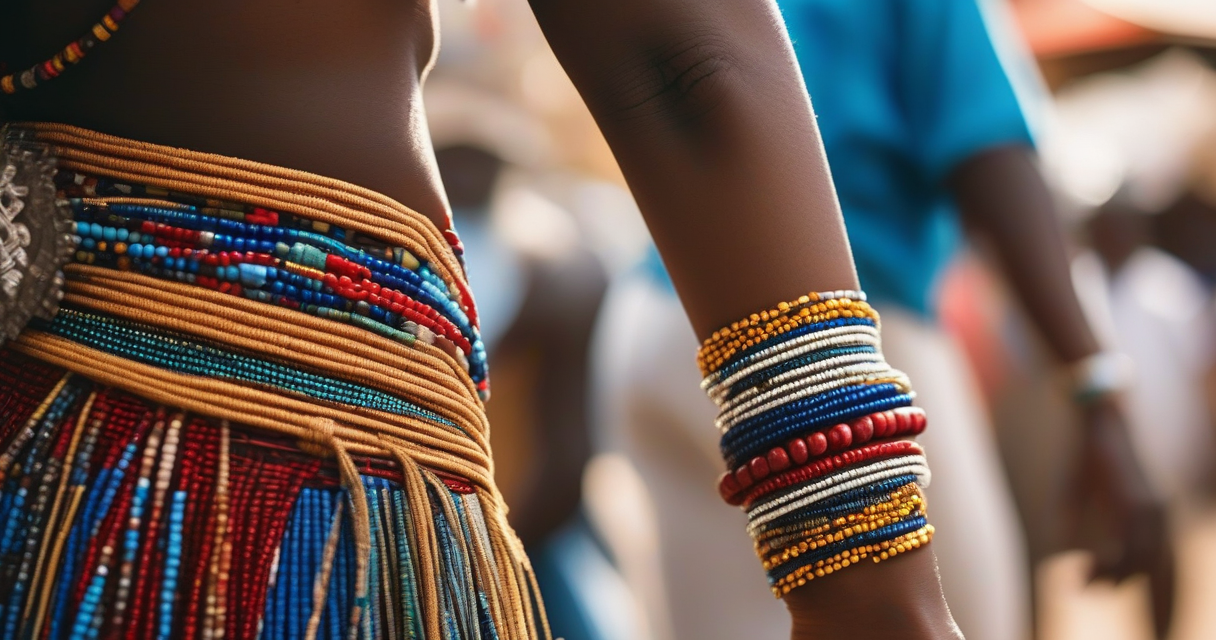
The delicate art of wearing waist beads stretches far beyond a simple accessory, it’s a living tradition woven into the fabric of African fashion and craftsmanship. Rooted in centuries-old customs, these beaded belts aren’t merely decorative; they’re a statement of cultural identity, femininity, and personal empowerment. From the bustling markets of Lagos to the handcrafted studios of Senegal, waist beads transform the body into a canvas for storytelling, blending heritage with modern style. Whether you’re drawn to their historical significance or their ability to enhance contemporary silhouettes, mastering their wear is both an act of homage and a fashion choice that demands precision. The key lies in understanding their cultural weight while adapting them to today’s aesthetic sensibilities, without losing their essence.
The Cultural Roots of Waist Beads: More Than Just Beads
Waist beads originated in West and Central Africa as a symbol of womanhood, fertility, and spiritual protection. In Yoruba tradition, for instance, they’re called ìkìfà and are tied during rites of passage like puberty or marriage, marking a woman’s transition into adulthood. The materials used, glass, seed beads, or even cowrie shells, often carry symbolic meanings; red beads might represent love, while gold-tone ones signify wealth. Beyond Africa, these beads have been adopted globally, but their true magic lies in their cultural context. When worn respectfully, they honour the hands that crafted them, whether by master artisans in Nigeria or skilled beadworkers in Senegal. The best way to engage with waist beads is to approach them as a bridge between past and present, where tradition meets individual expression. This isn’t just about fashion; it’s about carrying a piece of history with you every time you step out.
One common misconception is that waist beads are a one-size-fits-all accessory. In reality, their cultural significance varies by region and community. In some traditions, the number of beads or their arrangement can indicate marital status or social standing. For example, in the Akan culture of Ghana, beads might be tied in specific patterns during funerals to honour the deceased. Understanding these nuances ensures you don’t just wear them, you wear them right. It’s worth investing time in learning the stories behind the beads you choose, as this knowledge adds depth to your connection with the piece. After all, the most meaningful accessories are those that tell a story.
Choosing the Right Beads: Materials, Sizes, and Authenticity
The quality of waist beads makes all the difference between a fleeting fashion statement and a timeless heirloom. Authentic African beads, whether handmade in Nigeria or sourced from Senegalese beadworkers, are typically crafted from glass, seed beads, or even recycled materials like recycled plastic. Look for beads with a smooth, even finish; cheap imitations often have rough edges or inconsistent sizes, which can irritate the skin over time. Premium beads, such as those from brands like BeadedbyNne or African Beads & Crafts, use high-quality materials and intricate stitching, ensuring durability and comfort. When shopping, ask about the bead’s origin: handmade beads from local artisans carry more cultural weight than mass-produced alternatives. This isn’t just about aesthetics, it’s about supporting the craftspeople who keep these traditions alive.
Avoid the temptation to skimp on size, too. Standard waist beads range from 12mm to 18mm in diameter, with 14mm being the most versatile for everyday wear. Smaller beads (like 8mm) are often used in layered looks or as part of intricate designs, while larger beads (20mm+) can create bold, statement pieces. The wrong size can shift uncomfortably or look out of place, so measure your waist before purchasing. Pro tip: If you’re unsure, opt for adjustable beads or those with elastic inserts, they offer flexibility for different fits and occasions. Remember, the goal isn’t just to match trends but to find beads that feel right on your body, honouring both their cultural roots and your personal style.
Step-by-Step Guide: How to Tie Your Waist Beads Like a Pro
Tying waist beads isn’t just about securing a belt, it’s an art form that requires patience and practice. Start by gathering your beads, a measuring tape, and a small mirror for adjustments. The most common method is the double-loop tie, which ensures the beads stay in place without slipping. Begin by creating two loops of bead strings, crossing them over your waist, and tying them in a bow at the front. For extra security, add a third loop beneath the first two. This technique is favoured by many African beadworkers because it distributes weight evenly and prevents the beads from digging into your skin. If you’re new to this, practice on a mannequin or with a friend’s help to get the hang of the tension, too tight, and they’ll dig in; too loose, and they’ll slide. Mastering this step is crucial for comfort and confidence.
On the Love Jhanelle channel, they cover how to tie on waist beads step-by-step, and you can watch it right here.
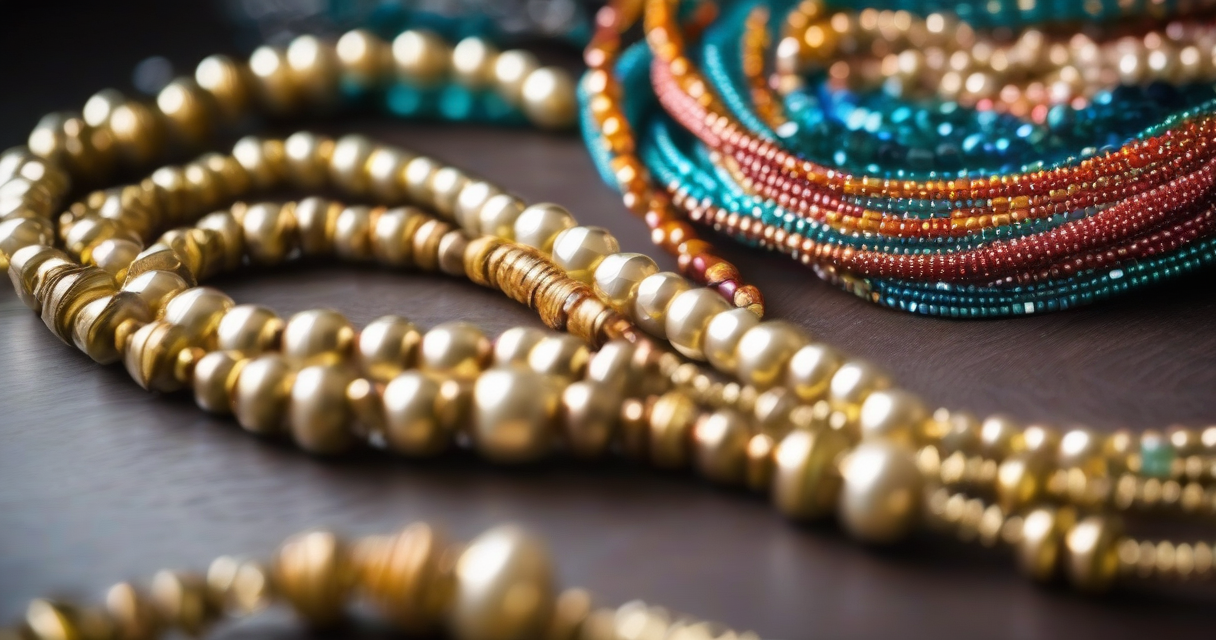
Another pro tip is to layer your beads for a fuller look. Start with a base layer of 12–15 strands, then add a second layer of 8–10 strands on top. This creates dimension and enhances the visual impact. Some wearers also incorporate beads of different colours or materials for a modern twist, but be mindful of balance, too many contrasting elements can overwhelm the design. If you’re attending a cultural event, opt for a single, solid-colour set in traditional hues like red, gold, or black. For everyday wear, experiment with mixed textures or metallic beads to keep the look fresh. The key is to let the beads breathe; avoid tying them too tightly around your waist, as this can restrict movement and cause discomfort over time.
Common Mistakes to Avoid When Wearing Waist Beads
One of the most frequent errors is wearing waist beads over clothing instead of directly on the skin. The beads should rest against your bare midriff for the full effect, as fabric can create an unflattering gap and reduce the visual impact. If you’re unsure about showing skin, start with a lightweight, breathable top that allows the beads to sit flush against your body. Another blunder is tying them too high or too low, ideal placement is just above the hip bones, where they naturally accentuate the waistline. If they’re too loose, they’ll slide; if they’re too tight, they’ll dig in. Test the fit by bending slightly, if they shift, adjust the loops until they stay secure. This isn’t just about style; it’s about ensuring the beads serve their cultural purpose as a symbol of grace and strength.
Overlooking the importance of skin preparation is another common pitfall. Some people forget that beads can cause irritation, especially if they’re made of rough materials or worn for extended periods. To prevent chafing, apply a thin layer of moisturiser or a barrier cream before tying your beads. You can also line the inside of the loops with a soft fabric strip for extra comfort. Avoid wearing them under tight clothing, as this can trap heat and cause discomfort. If you’re new to wearing beads, start with shorter sessions, perhaps just for an evening out, to let your skin adjust. Over time, your body will adapt, and the beads will feel like a natural extension of your silhouette.
Styling Waist Beads for Modern Fashion: Mixing Tradition with Trends
Today’s fashion landscape has embraced waist beads as a versatile accessory that can elevate both casual and formal looks. Pair them with a fitted midi dress for a playful, bohemian vibe, or tuck them into a sleek jumpsuit for a modern twist on a classic silhouette. The key is balance, if your outfit is already bold, let the beads complement rather than compete. For example, a simple black tank top with a single layer of gold-tone beads creates a striking contrast, while a layered look with multiple colours works well under a crochet top for a festival-ready ensemble. Don’t be afraid to experiment with textures; mixing metallic beads with natural fibres like linen or cotton adds depth to your outfit. The beauty of waist beads is their adaptability, they can be as subtle or as statement-making as you like.
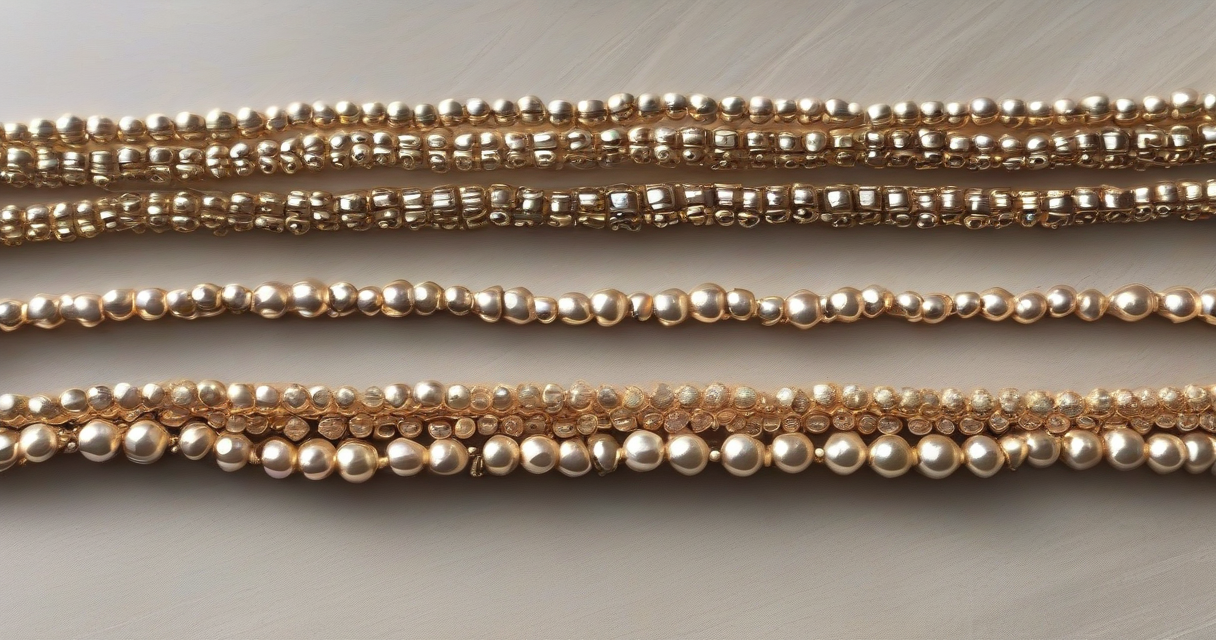
For those who want to push the boundaries further, consider incorporating waist beads into layered looks. Start with a base layer of thin, delicate beads, then add a second layer of thicker, bolder beads on top. This technique is popular in Nigerian fashion circles, where designers like Adebayo Oke-Lawal have reimagined traditional beadwork for contemporary runways. You can also mix bead styles, pairing glass beads with wooden or stone beads, for an eclectic, handcrafted look. Accessorise with statement earrings or a bold lip to tie the outfit together. The goal is to honour the tradition while making it uniquely yours. After all, fashion is about self-expression, and waist beads offer a perfect canvas for that.
Where to Buy and How to Support African Artisans
When it comes to purchasing waist beads, authenticity and ethical sourcing should be top priorities. The best places to buy are directly from African artisans or reputable online shops that partner with local beadworkers. In Nigeria, markets like Balogun Market in Lagos are treasure troves of handcrafted beads, while in Senegal, Dakar’s Soumbedioune Market offers a wide selection of traditional designs. Online, platforms like Etsy (when vetted for authenticity) or specialty shops such as African Beads & Crafts connect buyers with artisans. Always ask about the bead’s origin, handmade beads from individual craftspeople carry more cultural significance than mass-produced alternatives. Supporting these artisans not only ensures you’re getting a high-quality product but also helps preserve the craft for future generations. Think of it as investing in a piece of history that will outlast fleeting trends.
If you’re unable to travel to Africa, seek out ethical online retailers that prioritise fair trade and transparent supply chains. Look for shops that provide detailed information about the beadworkers, such as BeadedbyNne, whose founder, Nneka Okeke, highlights the stories behind each piece. Avoid generic bead sets that lack provenance, as these often undercut the value of the craft. When buying, consider purchasing a few sets at once, this allows you to experiment with different styles and colours while supporting the same artisans. You might also look for limited-edition collections that celebrate specific cultural traditions, such as those inspired by the Yoruba or Akan peoples. By choosing mindfully, you’re not just adding a fashionable accessory to your wardrobe; you’re contributing to the preservation of a centuries-old art form.

I’m fascinated by the vibrant intersection of contemporary fashion and traditional African craftsmanship. I spend my free time exploring markets, learning about textile techniques, and sharing the stories behind each piece with our readers.