Blog
-

The craftsmanship behind African sandals
Fashion trends have played a pivotal role in redefining African sandals, turning them into statement pieces that transcend cultural boundaries. Designers incorporate colors, patterns, and motifs that speak to both heritage and modern fashion sensibilities. African footwear evolution is evident in collaborations between traditional artisans and international fashion houses, resulting in collections that showcase the…
-

Ethno-inspired jewellery trends in the UK
Asian cultural influences also play a significant role in shaping ethno jewellery trends. From intricate Indian bangles and necklaces adorned with precious stones to delicate Chinese jade pieces, traditional designs from Asia bring elegance and symbolism to the UK market. Many designs in this category incorporate religious and cultural motifs that reflect centuries-old craftsmanship and…
-

How African art inspires fabric patterns
The influence of African art on fabric design African art has had a profound and lasting influence on fabric design both historically and in contemporary times. The vibrant colors, distinctive patterns, and symbolic motifs found in traditional African artworks have inspired fabric designers around the world, blending cultural heritage with modern aesthetics to create unique…
-

Top African fashion trends of 2025
Emerging Materials and Sustainable Fabrics As the fashion industry evolves, sustainable fashion has become a pivotal focus, especially within African style circles. In 2025, a remarkable rise in the use of eco-friendly materials and sustainable fabrics is shaping the African fashion landscape, signaling a transformative trend that balances tradition with environmental responsibility. Designers across the…
-

African loom weaving: tools and methods
Introduction to African Loom Weaving Loom weaving holds a deeply significant place in African culture, serving not only as a method of textile production but also as a vibrant form of artistic expression and cultural heritage. Across diverse African communities, weaving on looms has historically been a symbol of identity, tradition, and social status, intricately…
-

The craft of jewellery making in West Africa
Artisan trends in West Africa increasingly prioritize sustainability and ethical sourcing of materials, with many craftsmen opting for recycled metals and locally sourced gemstones. This conscientious approach not only preserves the environment but also strengthens community ties and supports local economies. The jewellery trends emerging from West Africa today reveal a deep respect for cultural…
-

African craftwork as wearable art
Introduction to African Craftwork as Wearable Art African craftwork holds a unique place in the world of wearable art, symbolizing a rich tapestry of tradition, culture, and artistic expression. It goes beyond mere decoration or fashion; it is an embodiment of the heritage and values handed down through generations. The tradition of crafting items that…
-

How climate influences African textile creation
Conversely, in areas with cooler or more variable climates, weavers may opt for denser and thicker fabric styles that provide additional warmth and insulation. The choice of fibers—ranging from cotton and linen to wool or blends—in these textiles is closely tied to their thermal properties, influenced by the surrounding environment. This careful selection helps artisans…
-

African patchwork techniques in modern fashion
Introduction to African Patchwork Techniques African patchwork techniques are deeply rooted in the cultural tapestry of the continent, representing a vibrant part of traditional textiles and fabric arts. These techniques have been practiced for centuries, evolving from the need to creatively utilize fabric scraps and textile remnants into a sophisticated craft that holds both practical…
-

Traditional bead colours and their meanings
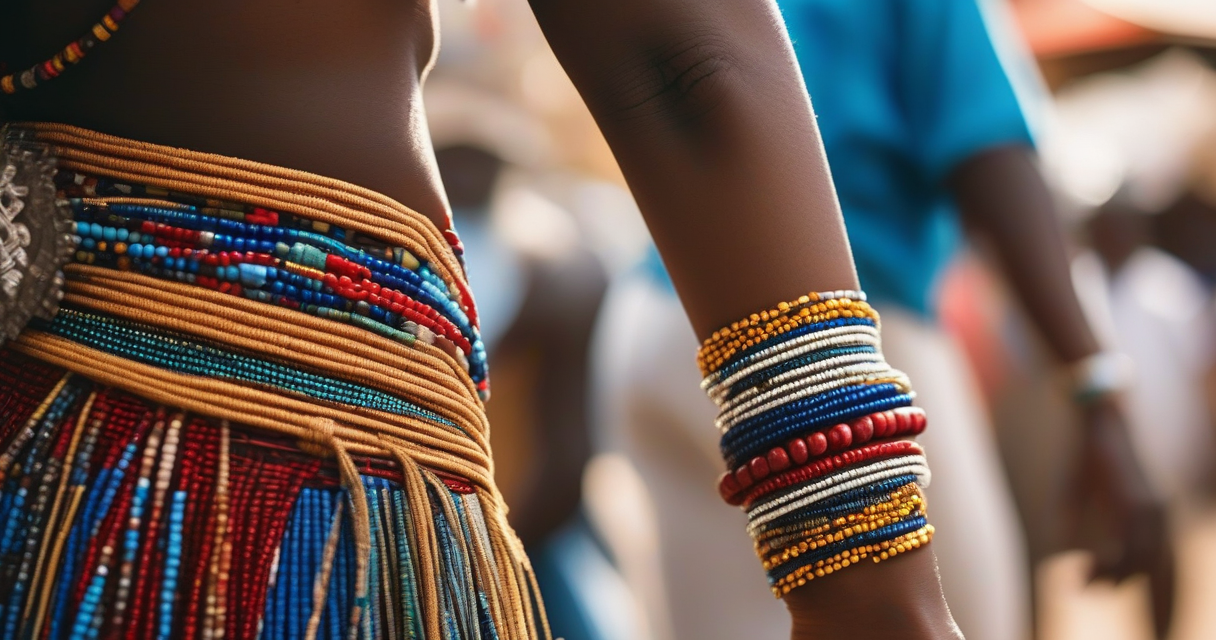
The historical importance of traditional bead colours can be traced back centuries, where communities used beads to mark important life events such as birth, marriage, and death. Each colour traditionally represents specific qualities or messages—for example, red often symbolizes bravery and strength, while blue may represent peace, harmony, or spirituality. Such colours are carefully selected…